
Smarter deal timing comes from spotting patterns, separating hype from real discounts, and knowing when to wait. Price forecasting doesn’t need advanced math or complicated spreadsheets—it’s a practical habit: track a few signals, set a target price, and make a calm decision when the moment to buy arrives. This guide breaks down price forecasting in plain language and pairs a digital kit—an eBook, a checklist, and a beginner-friendly AI tutorial—so you can plan purchases around major sale events like Black Friday and beyond.
For most shoppers, price forecasting is one simple question: buy now or wait? Instead of relying on gut feelings, you look at how a product’s price behaved in the past and compare it to what’s happening today. The goal isn’t perfection—it’s improving your odds and avoiding regret buys.
Over time, common pricing patterns become easier to spot:
AI helps by turning messy price histories into probability-based expectations. Instead of “this feels like a good deal,” you get a clearer answer like “based on recent volatility and promo frequency, waiting has a decent chance of producing a lower price within the next X weeks.” What forecasting can’t promise is an exact date or a guaranteed lowest price—good forecasting focuses on decision rules, not crystal-ball precision.
The digital guide AI Price Forecasting Made Simple (eBook, checklist, and beginner tutorial) is built for real shopping conditions: limited time, lots of tabs, and deal pages that change fast. The kit is designed to help you move from “maybe” to a clear “buy/wait” decision in minutes per product.
| Component | Best time to use it | What it helps decide | Typical outcome |
|---|---|---|---|
| eBook | Before sale season | How to set a baseline and define a “good price” | Clear price targets and a tracking plan |
| Checklist | Right before buying | Is the discount real and is the timing right? | Fewer impulse buys and fewer overpays |
| Beginner AI tutorial | During research and comparisons | What the next likely price move could be | Confidence to buy now or wait with alerts |
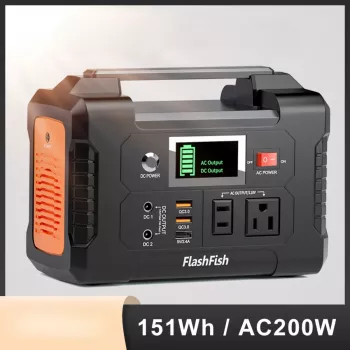
This workflow stays intentionally lightweight, so it works whether you’re researching a small appliance or a big-ticket purchase like a Portable 200W Solar Generator with AC Outlet & USB Ports.
Forecasting is only half the battle. The other half is verifying the deal is real and the total cost matches expectations. The FTC’s consumer resources are a helpful baseline for shopping and purchase protections: Federal Trade Commission: Buying and shopping resources.
AI outputs are best treated as probabilities, not certainties. Keep the focus on decision thresholds and validation. For a risk-aware mindset, the NIST: Artificial Intelligence Risk Management Framework (AI RMF 1.0) offers practical guidance on using AI responsibly.
If sale shopping tends to get stressful or distracting, pairing it with a calm decision routine can help. Calm at Work: Smart Strategies to Manage Stress and Boost Focus (digital guide) is a helpful companion for staying focused when the “limited-time” pressure ramps up.
AI can estimate likely price movement and discount windows by using past patterns and current signals, but it can’t guarantee the exact lowest price. The most reliable approach is to set decision rules and alerts so you’re ready when the price hits your threshold.
You’ll want the exact product model/specs, a recent price history, how often promotions occur, and context like stock levels or model refresh cycles. Also include total-cost factors such as shipping, bundle items, and membership pricing.
Yes. It’s designed to be beginner-friendly and avoids heavy math or coding, focusing on a simple workflow plus a practical checklist. A first session typically looks like choosing a product, grabbing a price snapshot, and setting two alert thresholds for “good” and “excellent” prices.






Leave a comment