
Season changes are the easiest time to reset a closet: rotate what’s visible, store what’s not, and let go of what no longer fits your life. A simple checklist keeps the process quick, prevents “temporary piles” from becoming permanent, and makes it easier to find outfits that match the weather right away.
Closets don’t get chaotic overnight—clutter usually grows when the “right” items are buried behind the “not right now” ones. A season swap flips that: your daily zone becomes a curated mini-wardrobe that matches the forecast.
If you like having a step-by-step page in front of you while you work, the Season Swap Checklist digital download keeps the flow moving from prep to labeling without backtracking.
Pull everything off-season from your prime closet zone (front rod, top drawer, most-used shelf). Don’t overthink it—if you wouldn’t wear it in the next two weeks, it doesn’t belong in front.
Try to sort fast first, refine later. The goal is momentum.
Check each item quickly for stains, stretching, pilling, missing buttons, worn soles, and broken zippers. If you can’t picture wearing it as-is, it either goes to repair or out the door.
Wash or dry-clean items before packing them away. Oils, deodorant residue, and tiny food stains can darken over time and attract pests. Make sure everything is fully dry before sealing—damp storage is a shortcut to musty odor and mildew. For moisture prevention basics, see the EPA’s mold and moisture guide.
Fold heavy knits to avoid hanger bumps, add cedar or lavender sachets, and avoid damp basements. If you’re tempted to use mothballs, read safety guidance first—many people don’t realize they require airtight use and careful handling. The National Pesticide Information Center overview on mothballs is a helpful reference.
| Item type | Best storage method | Helpful add-ons | Avoid |
|---|---|---|---|
| Knit sweaters | Fold in breathable bin | Cedar block, label | Hanging long-term |
| Coats/jackets | Garment bag or roomy hanger space | Lint brush, moth prevention | Overstuffed rod |
| Summer tees/tanks | Fold in drawer/tote by type | Divider, silica packet if humid | Storing unwashed |
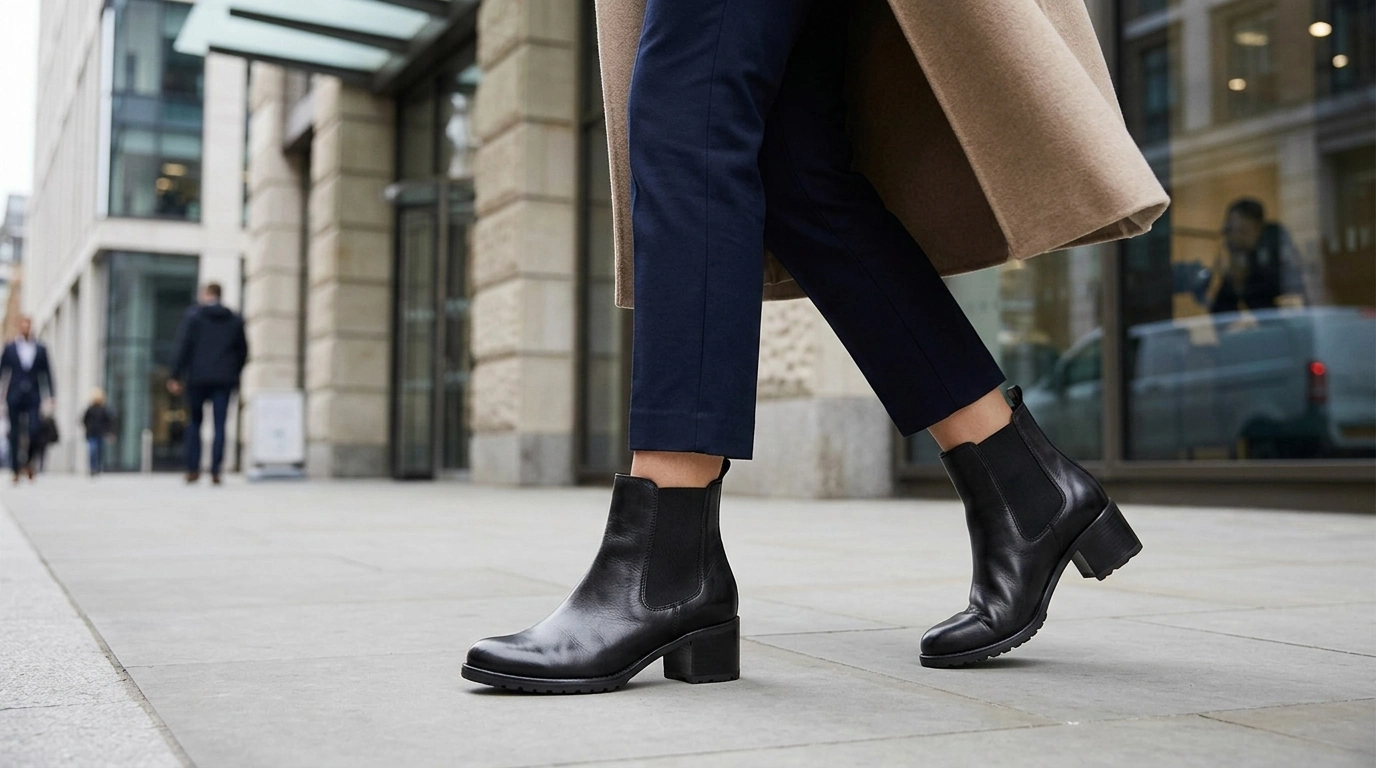
| Shoes/boots | Shoe boxes or clear containers | Stuffing to hold shape | Heat and direct sun |
| Delicates | Drawer organizer or fabric pouch | Mesh wash bag for next season | Plastic bags trapping moisture |
Move in-season items to the front and rebuild a few outfit “modules” (tops + bottoms + layers + shoes). This reduces the odds you’ll decide you “have nothing to wear” and panic-buy duplicates.
Label bins by season and category, then jot a quick inventory note (even a short phone note works): what you stored and where. If you spot a true gap (like one warmer base layer or a rain-ready shoe), write it down so future shopping is intentional. A structured page like the Seasonal wardrobe organization guide makes this step easier to repeat every few months.
If decision fatigue hits hard, pair your swap with a short, focused reset routine elsewhere in your day. The Calm at Work: Smart Strategies to Manage Stress and Boost Focus can help you keep the process brisk instead of emotionally draining.
If you live in a humid area or store items in tight spaces, staying ahead of moisture matters. The CDC’s mold prevention guidance is a solid reminder of why airflow and dryness are non-negotiable.
If you want a repeatable process you can run in under two hours, try the Closet declutter planner checklist and keep it with your storage bins for next season.
Yes—clean items store better. Residue from sweat, deodorant, body oils, and food stains can set over time and attract pests; let everything dry fully before sealing in bins.
Fold sweaters instead of hanging. Store in breathable bins or on shelves, avoid compressing too tightly, and add cedar or lavender for protection.
A focused swap can take 60–120 minutes for most closets. Using timed steps, a small “maybe” limit, and pre-labeled bins keeps it from turning into an all-day project.





Leave a comment