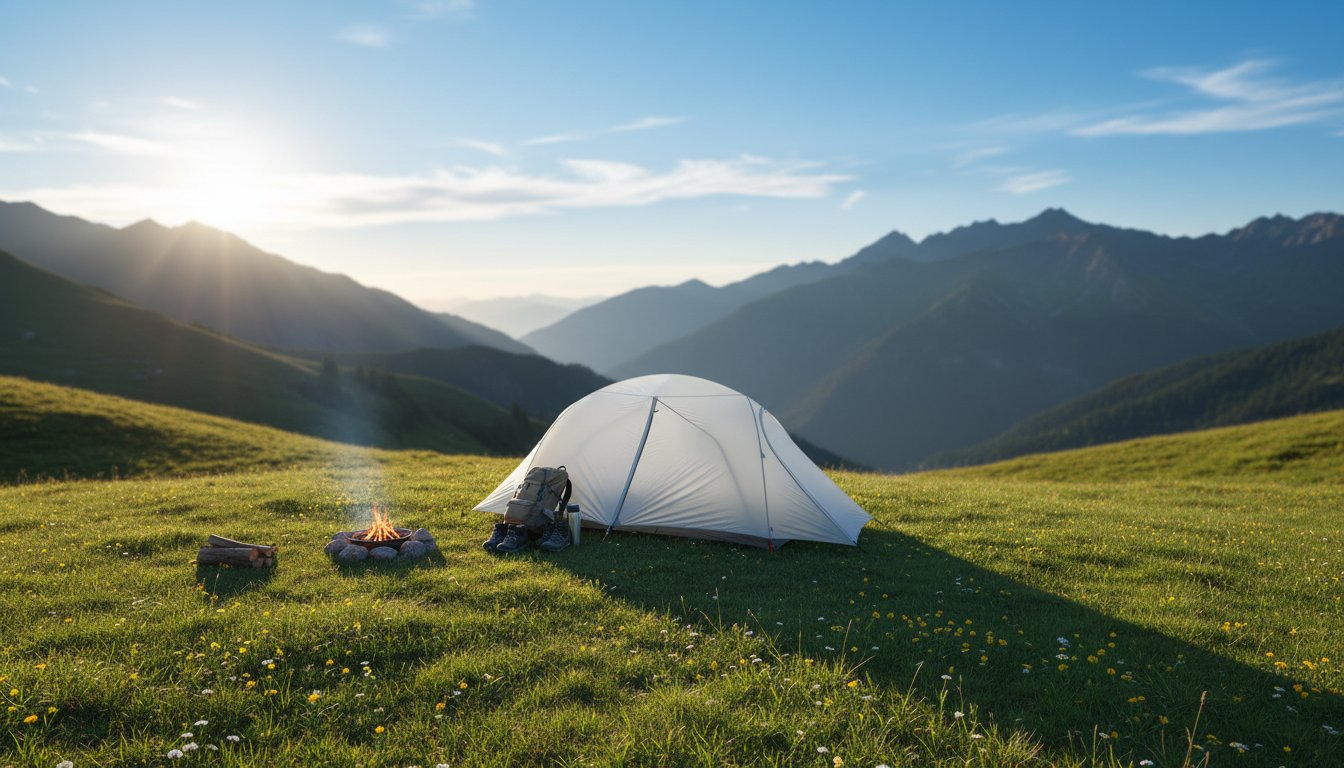
For backpacking, fastpacking, and minimalist outdoor travel, the sweet spot is a shelter that stays light in the pack, seals out wind-driven rain, and sets up quickly when weather turns. A 2-person ultralight waterproof tent is ideal for two hikers sharing weight—or for solo travelers who want extra space for gear without hauling a bulky shelter. For more guidance, see Best Tents for Every Outdoor Adventure: From Ultralight to Budget ….
What Makes an Ultralight 2-Person Tent Feel “Light” on Trail
“Ultralight” isn’t just a number on a spec sheet—what matters is how the tent carries, how fast it pitches, and whether it earns its spot in your pack day after day. For further reading, see Best Ultralight Tarp Tents for Every Outdoor Adventure.
- Trail weight vs. packed weight: Focus on what actually goes in the pack: tent body, rainfly, poles, stakes, and stuff sacks. If you’re counting ounces, those “small” items add up.
- Shared carry: With two hikers, split the load—one person carries poles and stakes while the other carries the body and fly. You still get full coverage without one pack feeling overloaded.
- Packed size matters: A compact bundle rides better in smaller hiking packs and travel-friendly bags, and it’s easier to stash without disrupting your organization.
- Simple pole architecture: Fewer segments and intuitive clips speed setup when hands are cold, light is fading, or wind makes everything harder.
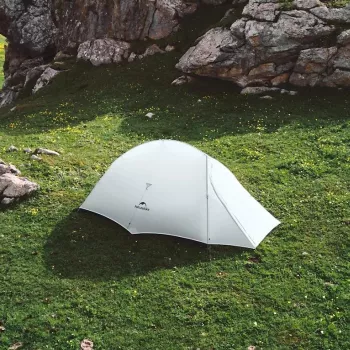
If you’re shopping for a lightweight shelter that’s built for real travel, consider the Ultralight 2-Person Waterproof Camping Tent for Hiking & Outdoor Travel, designed to balance packability with dependable coverage.
Waterproofing That Holds Up in Real Weather
Waterproof performance is a system: fabric + seams + floor design + pitch quality. The goal isn’t just staying dry during a light sprinkle—it’s handling hours of soaking rain and gusty conditions.
- Rainfly coverage: Fuller fly coverage helps block sideways rain and keeps doors more protected when you’re getting in and out.
- Seam integrity: Sealed seams (or seams that can be sealed) reduce common leak points during sustained storms, especially along ridgelines and corners.
- Bathtub floor: An upturned floor edge helps prevent groundwater seepage and splashback from wet soil, which is especially useful when the site gets saturated overnight.
- Ventilation vs. condensation: Waterproof materials work best paired with airflow. Without it, interior humidity can condense on walls and transfer moisture to sleeping bags and clothing.
For campsite safety and weather awareness, follow established guidance like the National Park Service camping safety tips, especially regarding storms and changing conditions.
Space, Comfort, and Livability for Two (or One + Gear)
A 2-person tent can be a true two-person shelter—or it can be a “two, but tight” option. Think about how you actually camp: wide pads, damp jackets, and the need to sit up and sort gear when rain lingers.
- Sleeping width: Confirm there’s room for two pads without pressing bags against the walls, where condensation can dampen insulation.
- Peak height: A bit more headroom makes changing layers, organizing packs, and waiting out a squall noticeably less frustrating.
- Entry and storage: Doors and vestibule space are crucial for wet shoes, muddy packs, and keeping essentials reachable without dragging grime inside.
- Interior organization: Pockets and attachment points keep headlamps, phones, and small items off the floor and easier to find at night.
Fast Setup and Storm-Worthy Pitching Tips
Packing Checklist for an Ultralight 2-Person Tent System
Minimal Tent Kit Checklist (Lightweight but Prepared)
| Item |
Why it matters |
Lightweight tip |
| Tent body + rainfly |
Primary weather protection and bug barrier |
Pack in a waterproof liner if storms are likely |
| Poles |
Structure and wind stability |
Store along pack frame or side pocket for easy access |
| Stakes |
Anchoring in wind and rain |
Bring only what’s needed; add 1–2 spares for rocky sites |
| Guylines |
Reduces flapping and improves storm performance |
Pre-tie tensioners to speed setup |
| Groundsheet/footprint (optional) |
Adds abrasion and moisture protection |
Use a cut-to-size ultralight sheet if needed |
| Small towel or sponge |
Helps manage condensation and mud |
Microfiber dries fast and packs small |
| Repair kit (tape + patch + spare cord) |
Fixes punctures, small tears, and guyline failures |
Wrap a little repair tape around a trekking pole or bottle |
Care and Longevity for Waterproof Fabrics
When This Tent Style Fits Best
- Backpacking weekends: A strong balance of weight and weather protection for changing forecasts and varied terrain.
- Outdoor travel itineraries: Great for multi-stop routes where fast pack-up and compact storage make transitions smoother.
- Solo comfort: Extra room for gear, wet clothing, or simply spreading out when weather keeps you inside longer than planned.
- Pairing with compact power: For longer trips, a small power station can keep essentials charged without hunting for outlets. The Portable 200W Solar Generator with AC Outlet & USB Ports is a handy option for topping up phones, lights, and other small electronics at camp.
FAQ
How can condensation be reduced in a waterproof tent?
Maximize airflow by using vents and cracking the fly when conditions allow, and choose higher, breezier sites away from water sources. Keep wet clothing and shoes in the vestibule, and wipe interior moisture with a small towel in the morning.
Is a 2-person ultralight tent good for solo hiking trips?
Yes—many solo hikers prefer a 2-person shelter for extra room to store gear and manage wet items during storms. The tradeoff is a bit more weight versus a solo tent, since there’s no shared-carry advantage when traveling alone.
Do waterproof tents need a footprint?
A footprint is optional, but it can help protect the floor from abrasion on rocky sites and add a little moisture barrier. If you use one, keep it trimmed so it doesn’t extend beyond the floor and funnel rainwater underneath.
Recommended for you




Leave a comment