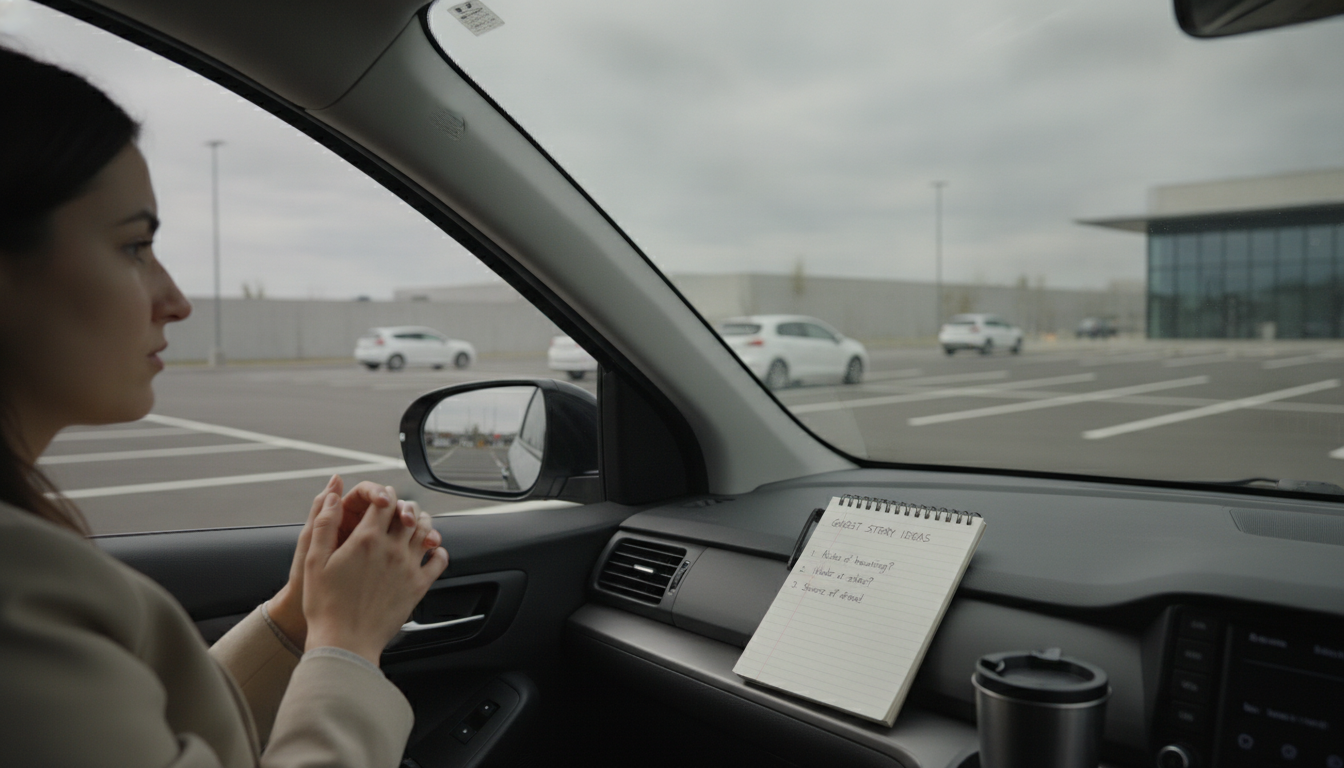
Start with one unsettling “rule” for your haunting, then build a character who has something to lose if that rule is broken. Ghost stories work best when the supernatural feels specific and personal—less like a random scare and more like a consequence that follows the characters wherever they go.
Pick a clear source of dread: a presence tied to a place (an old hotel, a flooded basement), an object (a locket that won’t stay lost), or a person (a grief-stricken narrator who keeps seeing someone who shouldn’t be there). Decide early whether your ghost is vengeful, protective, trapped, or simply echoing a past event.
Give the ghost one or two consistent behaviors. Maybe it only appears in reflections, only speaks through recordings, or cannot cross running water. Limits create tension, and they help scenes feel earned instead of random.
Pair the haunting with an emotional pressure point: guilt, unfinished promises, inheritance fights, a missing person, or a secret someone tried to bury. When the ghost “knows” what the character refuses to face, every eerie moment also pushes the story forward.
Begin with a small, undeniable wrongness—footsteps above an empty room, a child’s laugh on a dead phone line, a smell that shouldn’t exist. Let the character rationalize it once or twice, then raise the cost of ignoring it.
Move from subtle signs to physical consequences: cold spots become bruises, whispers become warnings, locked doors become trapped rooms. Keep each escalation connected to your haunting rule so the dread feels inevitable.
Decide what the ghost wants and what it’s willing to do to get it. Your ending can resolve the haunting (release, justice, acceptance) or twist it (the “fix” invites something worse), but it should change the character’s life in a lasting way.
For more inspiration, settings, and plot sparks, visit this ghost story ideas guide.
A clear haunting rule, a slow increase in consequences, and a personal emotional stake make the fear feel unavoidable. The scariest moments often come from anticipation—what the reader senses is coming—rather than constant shocks.







Leave a comment