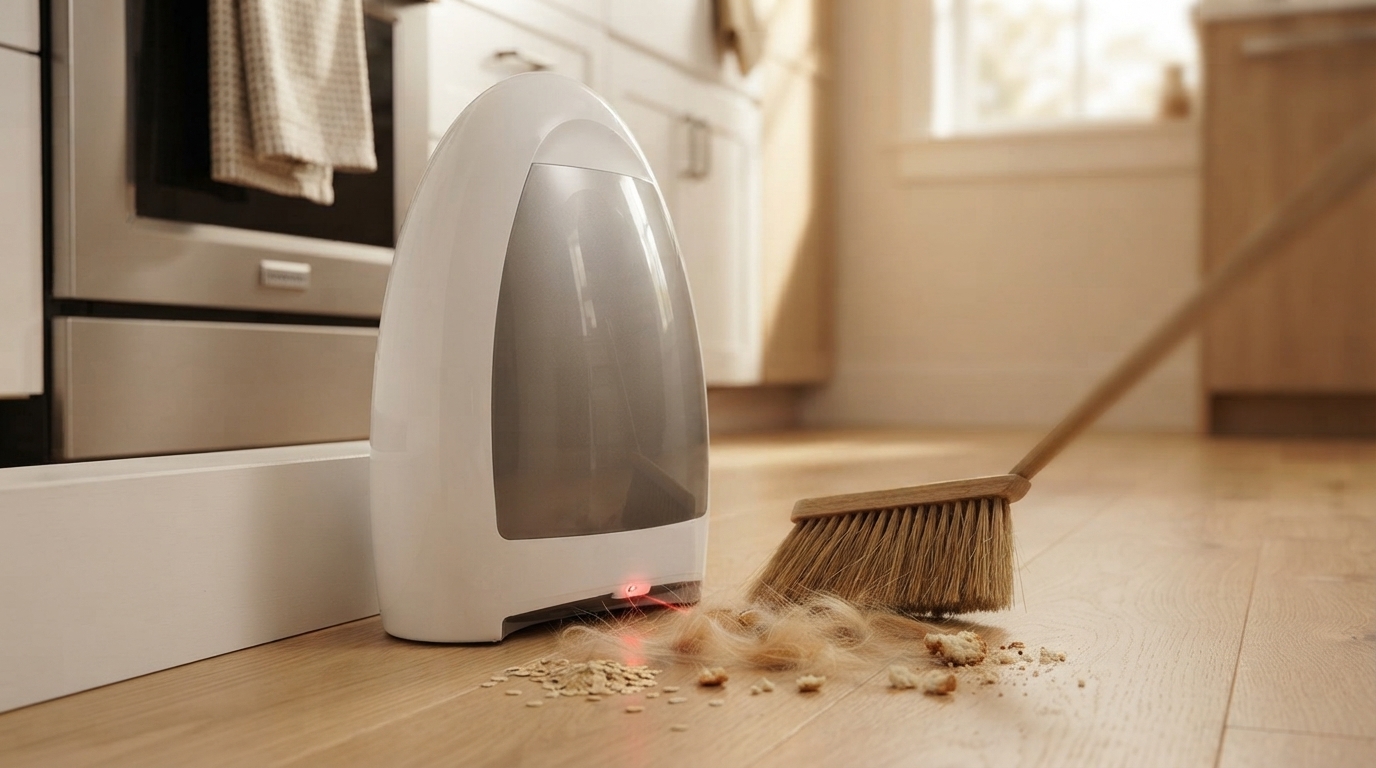
An automatic infrared vacuum dustpan helps keep high-traffic areas tidy by pulling debris straight from the floor as soon as it senses a sweep-in. It’s designed for quick, low-effort pickups—especially helpful for pet hair tumbleweeds, tracked-in grit, and daily kitchen crumbs—without dragging out a full-size vacuum.
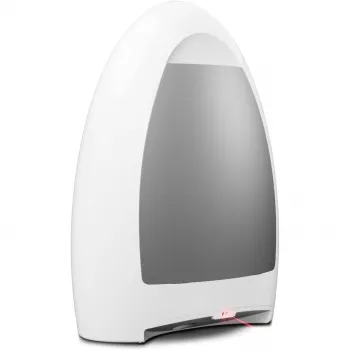
An automatic vacuum dustpan is a stationary, floor-level intake that sits flush to hard floors. Instead of holding a dustpan and bending down, you sweep debris toward the intake and let suction do the rest.
The infrared trigger is built for quick “on-demand” bursts. When a broom and debris move into the sensor zone, the unit activates and pulls particles inward—often capturing the light, clingy stuff (like hair and dust) that can skate away from a manual dustpan edge.
Placement matters because this is a “cleanup station” rather than a roam-around appliance. In pet homes, that station can save time every day.
For everyday hygiene and routine cleaning practices, it can help to follow a consistent schedule and focus on frequent touch-up cleaning in problem zones; see the CDC’s guidance on everyday cleaning.
Because the unit is fixed in place, a few small setup choices can make pickup feel effortless instead of finicky.
In kitchens, avoid tucking it directly beside a floor mat edge. If the mat shifts, it can create a “speed bump” that breaks up your debris pile right before the intake. A clean, straight approach path is what makes the infrared trigger feel truly automatic.
A simple, repeatable sweep-in routine is where these units shine—especially during shedding season or in crumb-heavy cooking zones.
In damp-prone entryways (wet boots, rainy paws), keep the surrounding floor as dry as possible. Moist debris can clump and stick inside the intake or bin. If moisture is a recurring issue in the space, the EPA’s overview on mold and moisture control is a helpful reference for keeping surrounding areas cleaner and drier.
| Option | Best for | Trade-offs |
|---|---|---|
| Automatic vacuum dustpan | Daily sweep-ups of hair, crumbs, grit in one spot | Needs placement space and routine emptying |
| Manual dustpan + broom | Occasional debris pickups on hard floors | More bending; fine dust can escape |
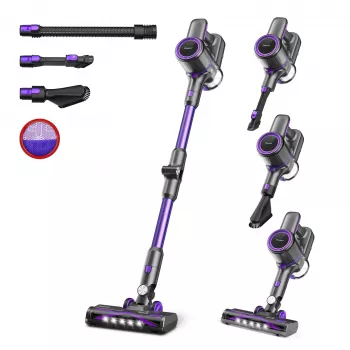
| Stick vacuum | Quick vacuuming across rooms and edges | More effort to grab and use; battery/runtime limits |
| Robot vacuum | Scheduled maintenance cleaning on open hard floors | May struggle with bulky debris; needs prep and monitoring |
If you want backup power for small household electronics during outages (especially in storm-prone areas), consider pairing your home kit with a compact power option like the Portable 200W Solar Generator with AC Outlet & USB Ports for general preparedness.
Yes, it works best when hair is swept into a concentrated line or small pile and pushed directly into the center of the intake. For consistent performance, empty the bin regularly and check the intake area for hair buildup that could reduce airflow.
It’s designed to activate when debris or a broom approaches the sensor area, then run briefly to pull debris in. Keeping the sensor window clean helps prevent missed triggers and keeps activation responsive.
It’s best placed on a hard, flat surface with a clear sweep path into the intake. If a small rug or mat blocks debris from reaching the intake, move it aside during use for smoother sweep-ins.



Leave a comment