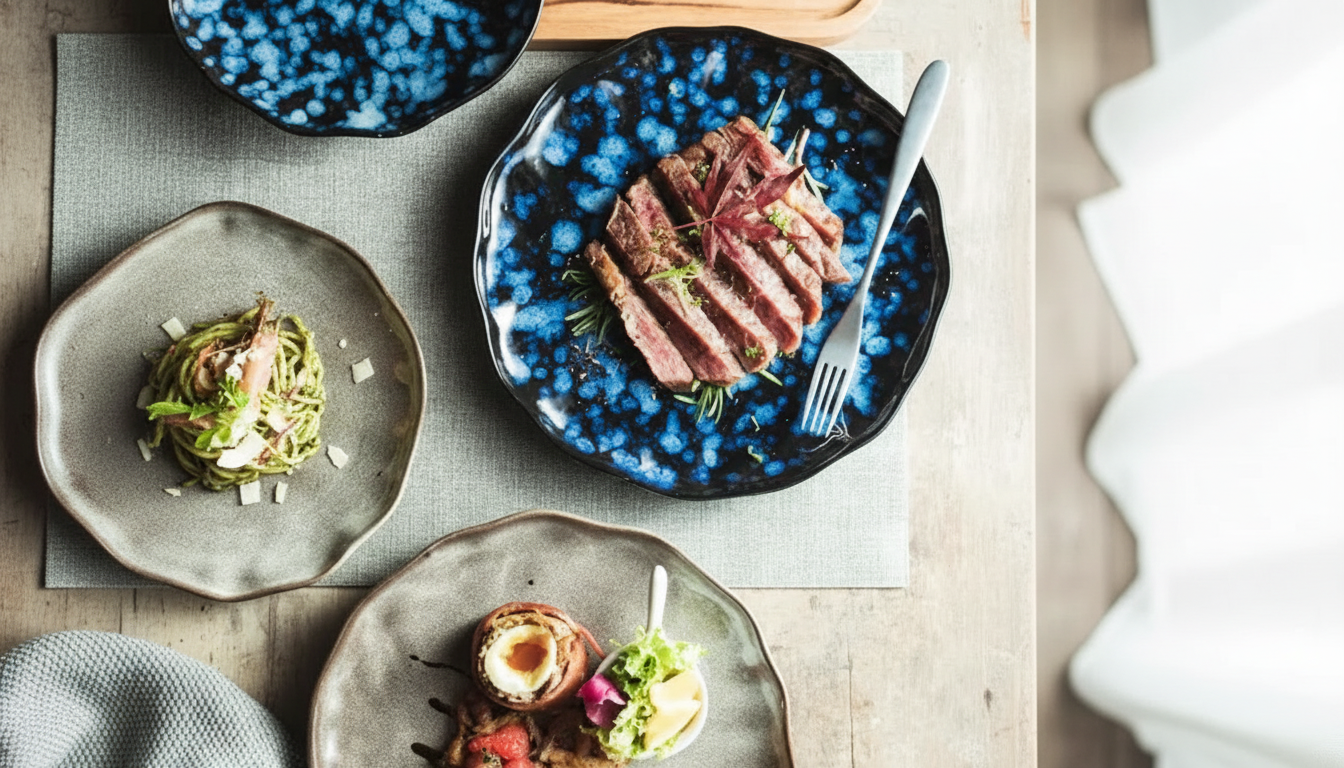
Vintage-inspired ceramic dinner plates bring warmth, texture, and a collected look to the table—without feeling overly formal. From softly speckled glazes to classic rims and hand-finished details, the right set can anchor weeknight dinners, weekend brunch, and special occasions while still being practical to live with.
Ceramic dinnerware has a quiet, lasting appeal because it looks and feels substantial. That natural weight and warmth can make everything from roasted vegetables to takeout noodles look more inviting than they do on lightweight materials.
Vintage styling tends to lean on details that don’t fight with the rest of your table: subtle glaze variation, gentle rim accents, and muted palettes that work easily with modern flatware and glassware. Even if the rest of your setting is minimalist, a softly reactive glaze or a classic banded rim adds dimension without demanding attention.
Another reason the look lasts: a slightly imperfect, handmade feel doesn’t get precious. Minor wear blends in rather than standing out, and the table avoids the overly “matchy” effect that can make everyday meals feel staged instead of lived-in.
Start by choosing the visual “base note” for your table. Neutral foundations—cream, bone, warm white—make it easy to swap in seasonal linens, colorful salads, or bold glassware without clashing. Then add character through a rim pattern, scattered speckles, or a reactive glaze that creates gentle variation from plate to plate.
Glossy glazes emphasize depth of color and are typically easier to wipe clean after oily sauces or dressings. Matte finishes can feel modern-vintage and velvety, but they may show utensil marks sooner depending on the glaze formulation. If you love matte, consider using matching salad plates for everyday lunches and saving the dinner plates for more composed meals to reduce heavy utensil contact.
Rimmed plates frame food beautifully—especially for casual plating where you want an instant “restaurant” outline around the meal. Coupe plates (with minimal rim) stack neatly and feel contemporary, but it’s worth checking the depth if you regularly serve saucy pastas or curries.
| Style | Best for | Visual effect | Practical notes |
|---|---|---|---|
| Rimmed dinner plate | Everyday meals, composed plating | Classic, framed presentation | Often a bit heavier; good for saucier dishes |
| Coupe dinner plate | Modern-vintage tables, stacking | Clean, minimal silhouette | Less rim to catch spills; check depth for saucy foods |
| Reactive glaze look | Entertaining, statement settings | One-of-a-kind variation | Color may vary piece to piece by design |
| Speckled/stoneware-inspired | Casual dining, rustic themes | Cozy, artisanal feel | Hides small smudges well; pairs with linen and wood |
Most dinner plates land in the 10–11 inch range. That size is versatile for everyday use, but the best choice depends on practical details: cabinet space, dishwasher fit, and how you typically portion meals. If you like generous, family-style dinners, 11 inches can feel spacious. If you prefer a balanced, uncluttered look—or have a compact dishwasher—10 inches often feels more proportional.
| Plate type | Typical diameter | Great for | Notes |
|---|---|---|---|
| Dinner plate | 10–11 in | Entrées, family-style mains | Most versatile daily option |
| Salad/dessert plate | 7–9 in | Starters, desserts, lunches | Ideal for layering under bowls |
| Bread/side plate | 6–7 in | Bread, sides, small bites | Helps build a cohesive place setting |
| Pasta bowl/low bowl | 8–10 in | Pasta, grain bowls, salads | Pairs well with rimmed dinner plates |
Vintage-style ceramics are often made to be used every day, but it pays to confirm care details before you commit. Check whether the glaze and any decoration are dishwasher- and microwave-safe, and follow the maker’s guidance for long-term durability. General care tips for ceramic tableware can be found here: Care & Use – Ceramic Tableware.
For households that prioritize sanitizing, make sure your dishwashing routine is thorough and consistent; these basics are a helpful reference: USDA Food Safety: Cleaning & sanitizing. If your plates have textured rims or a matte finish, stacking with a soft liner (or even a folded towel between stacks) can reduce scuffing over time.
If you’re looking for a foundation piece that brings classic character to everyday meals, Vintage Ceramic Dinner Plates offer a vintage-inspired ceramic look designed to feel collected and timeless. They work especially well as the “anchor” plate in a layered setting—pair them with smaller plates or bowls to build a table that feels personal, not overly coordinated.
| Item | Price | Availability |
|---|---|---|
| Vintage Ceramic Dinner Plates | $44.51 | In stock |
It depends on the specific glaze and any decorative elements, so it’s best to check the product’s care notes. Even when labeled safe, avoid extreme temperature shifts to help prevent cracking or crazing over time.
A 10–11 inch dinner plate is the most versatile for daily meals. If you have compact cabinets or a smaller dishwasher, a 10-inch option can fit better, and deeper coupe shapes are helpful for saucier foods.
Keep one unifying element—like a shared color family, similar rim shape, or consistent finish—and limit the palette to two or three tones. Repeating textures through linens or a simple charger helps the mix feel intentional rather than random.




Leave a comment