
Work stress can feel like a constant background noise—messages, deadlines, shifting priorities, and the pressure to perform. When stress stays high, focus drops, mistakes rise, and recovery after work gets harder. The goal isn’t to eliminate pressure, but to manage it intelligently: reduce what’s preventable, respond better to what isn’t, and build routines that protect attention and energy throughout the day.
Chronic stress also has real effects on the body and performance. For deeper background on how stress impacts health and how workplaces contribute to strain, see the CDC/NIOSH overview on stress at work and the APA summary of stress effects on the body.
Stress often shows up as a “focus problem,” but the earliest clues are physical and behavioral. Catching the pattern early makes it easier to intervene before you lose an hour to anxious spinning or reactive task-hopping.
| Trigger | What it does to focus | Fast response (2–5 minutes) |
|---|---|---|
| Back-to-back meetings | No recovery time; attention fragments | Add a 3-minute buffer: stand, sip water, write the next action before joining the next call |
| Constant notifications | Frequent context switching; slower thinking | Turn on Focus/Do Not Disturb for 25 minutes; check messages on a schedule |
| Unclear task requirements | Worry loop; rework and hesitation | Send a 3-question clarification: goal, deadline, and success criteria |
| High-stakes emails | Overthinking; avoidance | Draft a rough reply in bullet points; refine once and send |
| Too many priorities | Shallow work; procrastination | Choose a top 3 for the day; park the rest in a backlog |
When stress spikes, the fastest win is reducing physiological arousal. A calmer body gives your brain a chance to re-engage with the task instead of scanning for threats (real or imagined).
Keep these resets quiet and frictionless. If it feels like “a whole thing,” it won’t survive a real workday—especially on deadline-heavy weeks.
Focus isn’t just willpower; it’s design. A workable system makes it harder to drift into constant reacting and easier to return to meaningful work after interruptions.
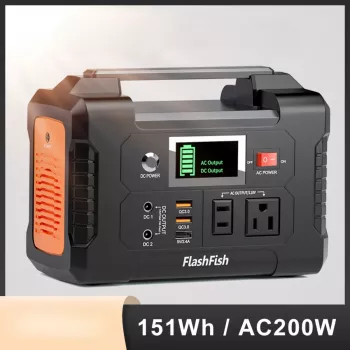
If you work from home or rely on a laptop, one hidden stressor is “fragile” setup—low battery, unstable power, and scrambling for outlets. A practical backup can reduce that background anxiety during critical tasks. For an off-grid-friendly option, consider the Portable 200W Solar Generator with AC Outlet & USB Ports.
Try a longer-exhale breathing reset (inhale 4 seconds, exhale 6 seconds for 2 minutes), relax your jaw and shoulders, do a 60-second gaze break away from screens, take a brief hallway walk, and write down the next smallest action to regain momentum.
Batch communications into short admin windows, protect deep work blocks with Focus/Do Not Disturb, and clarify priorities using tradeoffs so you don’t overcommit. Small 2–5 minute resets often improve speed and accuracy, reducing rework later.
Multitasking usually means rapid context switching, which strains working memory and increases error rates. Single-tasking with scheduled check-in windows keeps attention steadier and makes progress feel more predictable.





Leave a comment