Braising turns tough cuts into fork-tender, deeply flavored meals by combining a quick sear with gentle, covered cooking in a small amount of liquid. With a few core techniques—proper browning, the right pot, steady heat, and smart timing—home cooks can reliably produce rich sauces and succulent meat that tastes like it cooked all day.
Braising is built on two complementary stages: first, high-heat browning; then, low-heat cooking with moisture. That initial sear triggers the Maillard reaction, creating savory depth that can’t be replicated by “slow cooking” alone.
During the second stage, collagen-rich muscles (think shoulder, shank, chuck, and ribs) soften gradually as collagen converts to gelatin. The result is meat that feels plush instead of stringy, plus a sauce with natural body and shine. A tight-fitting lid limits evaporation, so the braising liquid concentrates rather than drying out. It’s also a standout make-ahead technique—many braises taste even better after an overnight rest as flavors meld and the sauce settles.
Use this template as a flexible “braise formula” that works across meats and cuisines:
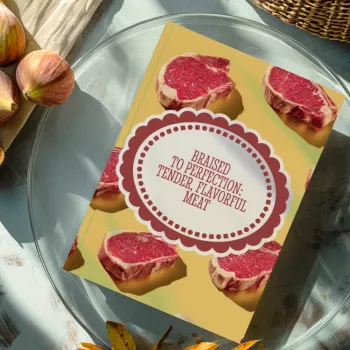
If you like having a quick-reference walkthrough (liquid levels, doneness cues, and timing checkpoints), Braised to Perfection: Tender, Flavorful Meat (digital guide) lays out a clear, repeatable system you can apply to different cuts and pot sizes.
The best braises start with well-exercised, collagen-rich cuts. Bone-in options tend to add richness to the liquid; boneless cuts are easier to portion. Trim thick caps of exterior fat so the sauce doesn’t become greasy, but don’t strip everything—some fat supports flavor and moisture. Also consider size: smaller pieces cook faster and more evenly, while a single large roast takes longer but slices beautifully once tender.
| Meat & cut | Best result | Typical time | Good braising liquids |
|---|---|---|---|
| Beef chuck roast | Shreddable and rich | 2.5–4 hours | Beef stock, red wine, dark beer |
| Beef short ribs | Luxuriously tender, glossy sauce | 3–4.5 hours | Red wine, stock, aromatics |
| Pork shoulder | Pull-apart and juicy | 2.5–5 hours | Stock, cider, beer |
| Lamb shanks | Deeply savory, gelatinous | 2.5–4 hours | Stock, red wine, tomatoes |
| Chicken thighs | Succulent, fast | 35–60 minutes | Stock, white wine, lemon |
A Dutch oven or heavy, wide braiser makes the whole process easier: stable heat, enough surface area to sear properly, and a lid that seals in moisture. During searing, avoid overcrowding—steam is the enemy of browning—so work in batches if needed.
Oven braising is often more consistent than stovetop because heat surrounds the pot evenly and reduces hot spots. Whichever method you choose, aim for gentle bubbles rather than a rolling boil; boiling can tighten proteins and squeeze out moisture, especially around the edges.
For technique deep-dives and smart troubleshooting, Serious Eats’ braising resources are a helpful companion reference: Serious Eats.
Leftovers are where braising really shines. Turn extra meat into tacos, sandwiches, pasta ragù, grain bowls, or a shepherd’s pie-style topping. Cool leftovers quickly, refrigerate in the sauce, and reheat gently to protect texture. For food-safety specifics on storing and reheating, the USDA guide is a reliable reference: USDA Food Safety and Inspection Service: Leftovers and Food Safety.
If planning and prep feel like the hardest part of cooking projects, pairing a cooking plan with a calm workflow can help. Calm at Work: Smart Strategies to Manage Stress and Boost Focus is a practical digital guide for building focus and reducing overwhelm—useful when you’re juggling timing, side dishes, and a busy schedule.
Keep Braised to Perfection: Tender, Flavorful Meat (digital guide) on hand as a quick reference for both weeknight braises and special-occasion centerpieces.
Usually enough to come about one-third to halfway up the meat; the goal is gentle steaming and simmering, not boiling the meat fully submerged.
The oven often provides more even heat and reduces scorching; stovetop works well with a heavy pot and a steady, very gentle simmer.
Texture is the indicator: a fork should slide in easily and the meat should yield without springing back; if it’s still tight, it needs more time at gentle heat.





Leave a comment