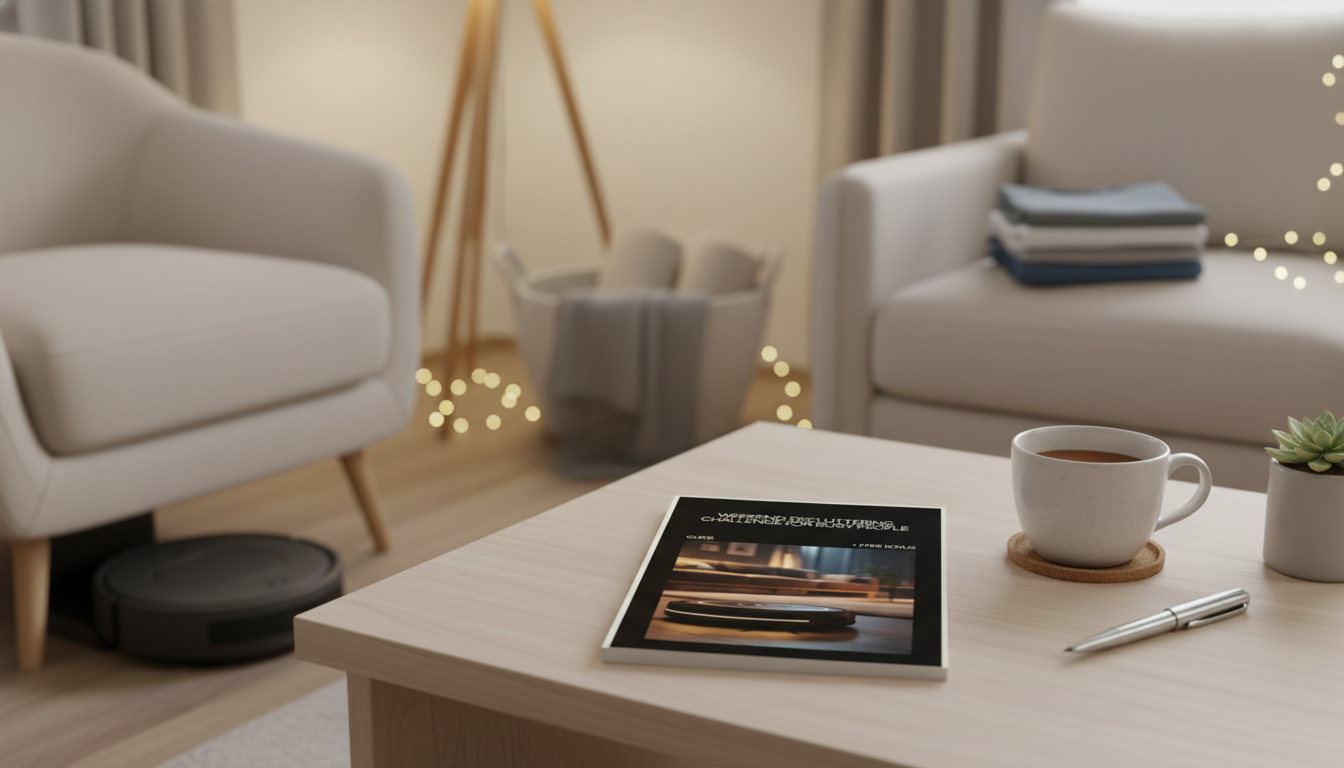
A focused weekend reset can clear the most visible clutter, reduce daily friction, and create simple systems that hold up during a busy week. This challenge uses short sprints, clear decision rules, and a realistic plan for Saturday and Sunday—so you finish the weekend with a functional home (not a half-started project).
The goal is fast relief where you feel it most: the spots you touch every day. Start with high-impact zones—entry, kitchen counter, bathroom sink, bedroom floor—then move inward only if time and energy allow.
Decluttering goes faster when you don’t have to hunt for supplies mid-sprint. Do a quick setup, then start moving.
If you’ll be wiping down surfaces as you go, follow current guidance for cleaning and disinfecting from the CDC.
Rules reduce mental load. Instead of negotiating with every object, you’re simply applying a consistent filter.
For items you’re discarding, review local options and the basics of responsible disposal through EPA guidance on reduce, reuse, recycle.
Saturday targets high-traffic surfaces and “stress zones” for a quick emotional payoff. Sunday targets the storage areas that quietly re-create clutter all week (paper, backups, closet hot spots). Keep sessions short, and stop while you still have enough energy to end on a clean reset point.
| Day | Time block | Focus area | What to do | Done looks like |
|---|---|---|---|---|
| Saturday | 30 min | Entry + bags/keys zone | Clear surfaces, toss junk mail, create one tray/bowl for daily carry items | Floor and console clear; items have a single landing spot |
| Saturday | 45 min | Kitchen counters | Remove everything, return daily-use items only, relocate appliances, wipe down | One clear counter section reserved for food prep |
| Saturday | 25 min | Living room quick win | Collect cups/plates, reset throws/pillows, purge visible clutter into relocate basket | Coffee table and seating area clear |
| Saturday | 30 min | Laundry/bedroom floor sweep | Start a laundry load, hang/put away clean clothes, bag obvious donations | Floor clear enough to vacuum |
| Sunday | 45 min | Bathroom backups | Discard expired items, keep one open backup per staple, wipe drawers/shelves | Counter clear; drawer closes easily |
| Sunday | 60 min | Paper and “misc” pile | Create three folders: Action, File, Recycle; set one weekly paper time | No loose paper on surfaces |
| Sunday | 45 min | Closet hot spot (one category) | Choose one: shoes, tops, or accessories; keep favorites that fit and get worn | One shelf/rod section visibly spacious |
| Sunday | 15 min | Final reset | Take out trash, stage donations by door, return relocate items to their rooms | Home is functional, not mid-project |
If the full schedule feels like too much, choose a few mini wins. Completing small, finishable tasks is the quickest way to rebuild trust in your own follow-through.
If you want professional-level frameworks and checklists, the National Association of Productivity & Organizing Professionals (NAPO) offers resources and ways to find support.
Plan for about 3–6 focused hours total using timed sprints. Prioritize high-impact zones (entry, kitchen, bathroom, bedroom floor) and stop each day at a clean reset point so the home stays usable.
Start with the entry landing spot, then clear the kitchen counters, then do one quick laundry/bedroom floor sweep. These visible surfaces reduce daily friction immediately and make the whole place feel calmer fast.
Use a 5-minute daily reset, a 20-minute weekly maintenance block, and a one-in/one-out rule for common clutter categories. Keep a permanent donation bag and drop it off when full to avoid waiting for the “perfect” time.





Leave a comment