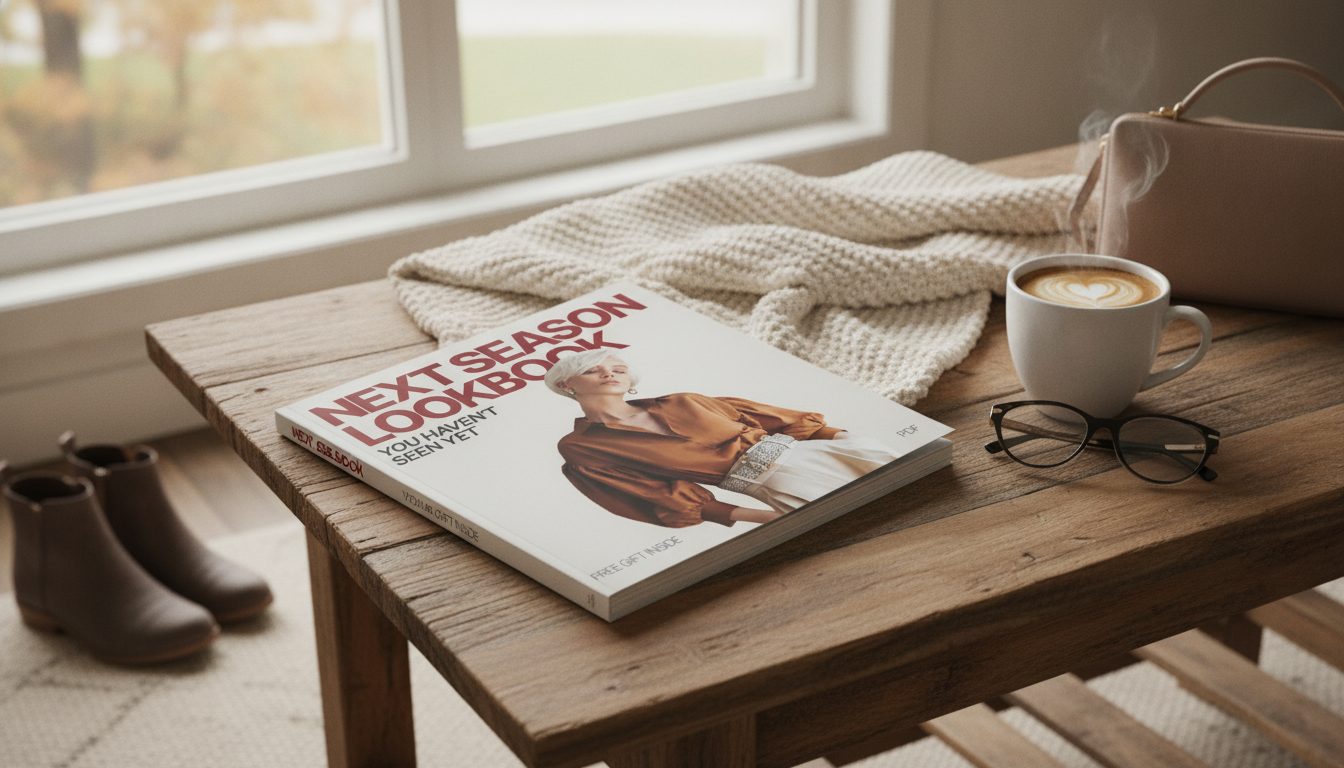
Next season’s style shifts rarely announce themselves all at once—they surface through silhouettes, color stories, fabric choices, and small styling cues that start showing up everywhere. This lookbook-style forecast gathers those signals into a clear, usable guide so outfits feel current without chasing every micro-trend. For more guidance, see Fashion Forecasting: Predicting Trends and Staying Ahead of the ….
To keep the forecast grounded, the signals are cross-checked against major industry and color authorities, including Vogue Runway, The Business of Fashion, and Pantone Color Trends. For further reading, see Fashion Trend Forecasting Explained: Stay Ahead of the Curve.
The loudest change is a move toward intentional structure: clean lines, sharper shoulders, and defined waists—balanced with ease through the leg. Think “shaped up top, relaxed below,” or the reverse.
Texture is doing a lot of the heavy lifting. Mixed finishes—matte with sheen, smooth with nubby—make simple outfits read as styled without extra layers of accessories. Even one texture-forward piece can elevate basics.
Instead of head-to-toe coordination, outfits feel fresher when they combine opposing vibes: a polished piece paired with relaxed basics, or a sporty element paired with something tailored.
Statement emphasis returns, but the approach is edited: one hero piece (bag, belt, shoe, or jewelry) becomes the focal point, while the rest of the look stays clean and intentional.
A practical shortcut: if a detail keeps showing up on pieces designed for “in-between weather” (light coats, jackets, layered knits), it’s often the first wave of what the season will standardize.
| Trend signal | Key pieces to try | Fast styling move | Best for |
|---|---|---|---|
| Structured outerwear | Cropped jacket, sharp blazer, belted coat | Pair with a soft knit or tee to avoid feeling too formal | Workwear, dinners, city weekends |
| Texture mixing | Leather + cotton, denim + satin, rib knit + crisp poplin | Keep colors in the same family so the mix feels intentional | Everyday outfits, travel looks |
| Defined waist emphasis | Belted blazer, high-rise trouser, wrap silhouette | Choose one focal point—waist definition or neckline detail, not both | Events, office, polished casual |
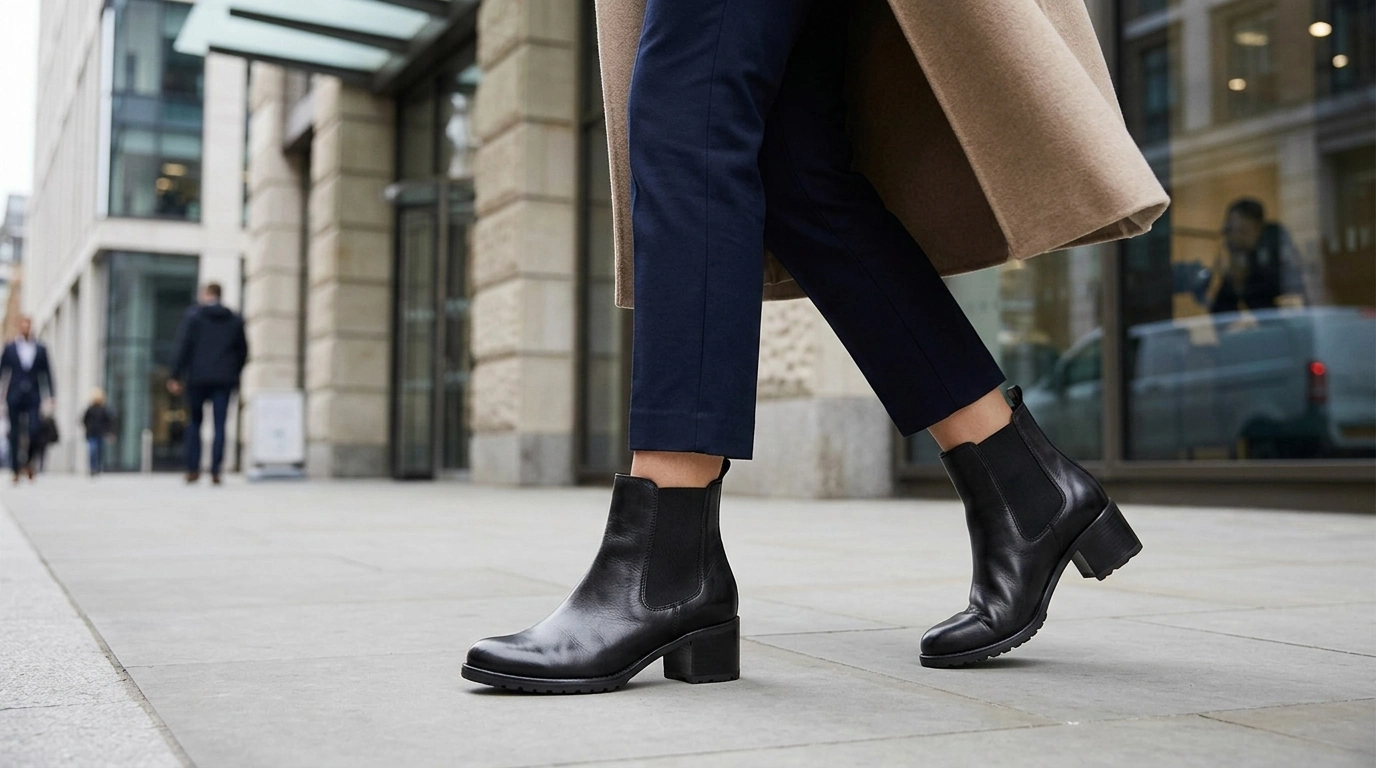
| Hero accessory focus | Statement bag, standout shoe, bold belt | Make the accessory the only loud element; keep outfit lines clean | Minimalists, capsule wardrobes |
| Contrast styling | Tailored trouser + sporty top, slip skirt + chunky knit | Add one “bridge” piece (neutral shoe or simple jewelry) | Day-to-night, smart casual |
If the goal is to get dressed faster while staying current, a lookbook works best when it gives both direction and limits: a small set of moves that can be repeated, remixed, and scaled up or down depending on the occasion.
Yes. It translates trend direction into simple outfit formulas and offers subtle-to-statement ways to wear each idea, so updates feel manageable without needing a whole new closet.
It’s designed for immediate styling: start with one hero update, then build 2–3 outfits around existing basics. Quick wins often come from a single accessory swap or an easy proportion tweak like a belt or a half-tuck.
It uses runway and street signals as reference points, but the emphasis is on wearable interpretation—practical pairings, realistic proportions, and styling guidance that fits daily life.

Leave a comment