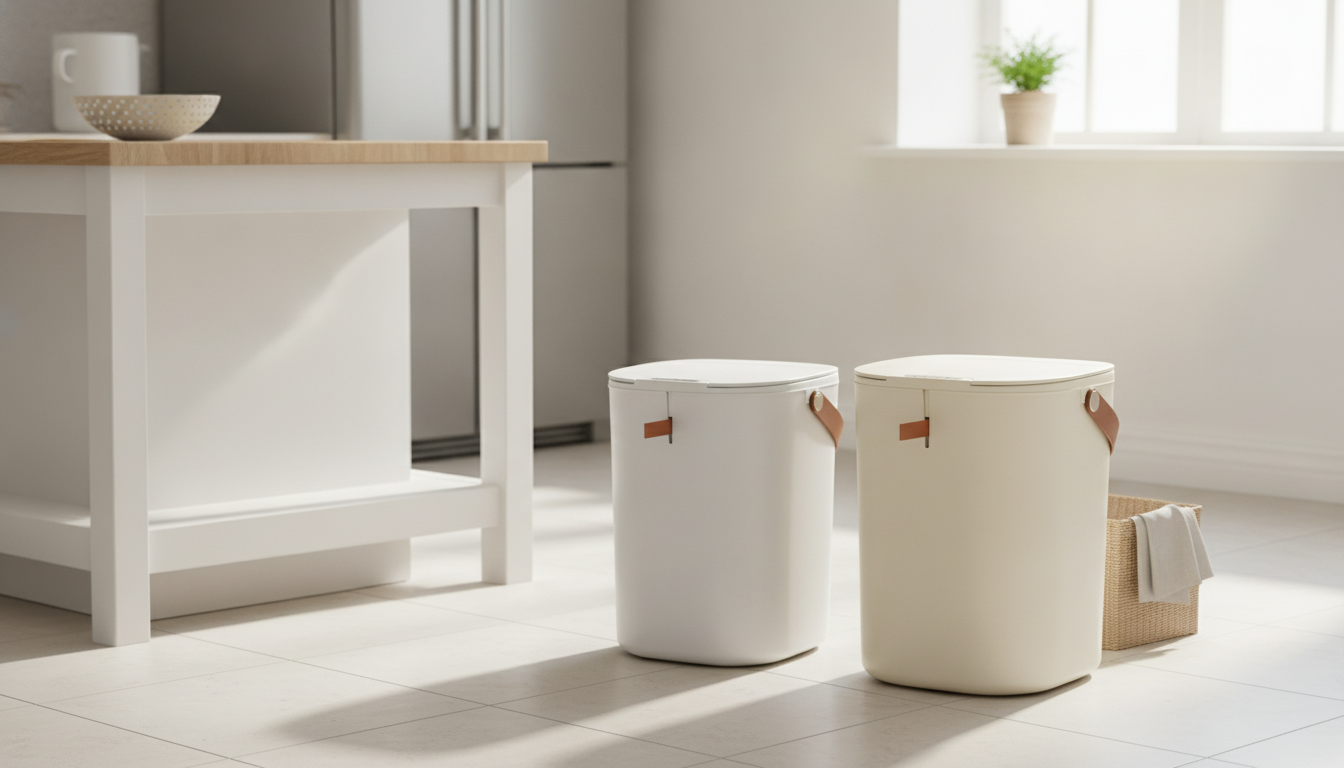
A touchless trash can helps keep daily cleanup quick and more hygienic, especially in kitchens and busy family spaces. This smart sensor model offers two practical capacities (16L and 20L) with automatic lid activation for hands-free disposal and a cleaner countertop routine.
If your routine includes cooking with messy ingredients, managing packaging, or caring for kids, a sensor-activated wastebasket can cut down on “where do I put this?” moments—without spreading residue from your hands to the lid. For general hygiene guidance around hand contact and cleaning, the CDC’s overview on when and how to wash your hands is a helpful reference point for home habits.
A standard bin works, but it also adds a small friction point to everyday tasks: you have to touch the lid or pedal, then touch something else. A touchless model is designed to reduce that contact step.
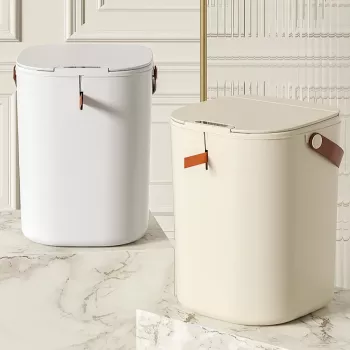
For a home setup that balances convenience with a modern look, consider the Smart Sensor Trash Can – 16L/20L Large Capacity Induction Wastebasket for Home Use.
Capacity is less about “how much trash you make” and more about how you live: room size, traffic flow, and how often you want to change bags.
| Capacity | Best for | Typical refill frequency (household-dependent) | Placement tips |
|---|---|---|---|
| 16L | Bathrooms, bedrooms, small kitchens, home office | More frequent changes | Tuck beside vanity, under a desk, or near a coffee station |
| 20L | Kitchen, laundry room, shared living areas | Less frequent changes | Place near prep counter, pantry, or recycling sorting area |
Sensor induction is all about timing: a bin that opens when you need it and stays closed the rest of the time. In daily routines, that can make a noticeable difference.
That “easy to do” factor matters. If tossing scraps or wrappers is effortless, counters are more likely to stay clear and cleanup tends to happen in smaller, faster passes instead of one big end-of-day sweep.
Touchless bins aren’t only for kitchens. The sweet spot is any room where your hands are often wet, messy, or occupied.
For households that like a coordinated approach, pairing a 20L for the kitchen with a 16L for the bathroom or office can prevent overflow while keeping each room appropriately sized.
A sensor bin performs best when the liner is sized correctly and the rim area stays neat. Small habits here can reduce mess and keep the lid closing smoothly.
If your home produces a lot of food packaging, flattening boxes and compressing light plastics before tossing them can stretch the time between changes—especially helpful if the bin sits in a visible area like a kitchen corner or near a pantry.
Reducing food waste can also reduce odor and bag leakage. The U.S. EPA shares practical ideas for preventing wasted food at home, which can help cut down on smelly, moisture-heavy trash.
20L is typically more comfortable for a main kitchen bin because it needs fewer bag changes. 16L works well for small kitchens or as a secondary bin near prep areas.
Unintended activation can happen if the bin is placed in a tight walkway or near moving pets. Positioning it slightly away from foot traffic and keeping the sensor area clean helps reduce false triggers.
Wipe the lid and rim regularly with a mild cleaner, clean the interior as needed, and let it dry before inserting a new bag. Avoid harsh abrasives that can scratch or dull the exterior finish.


Leave a comment