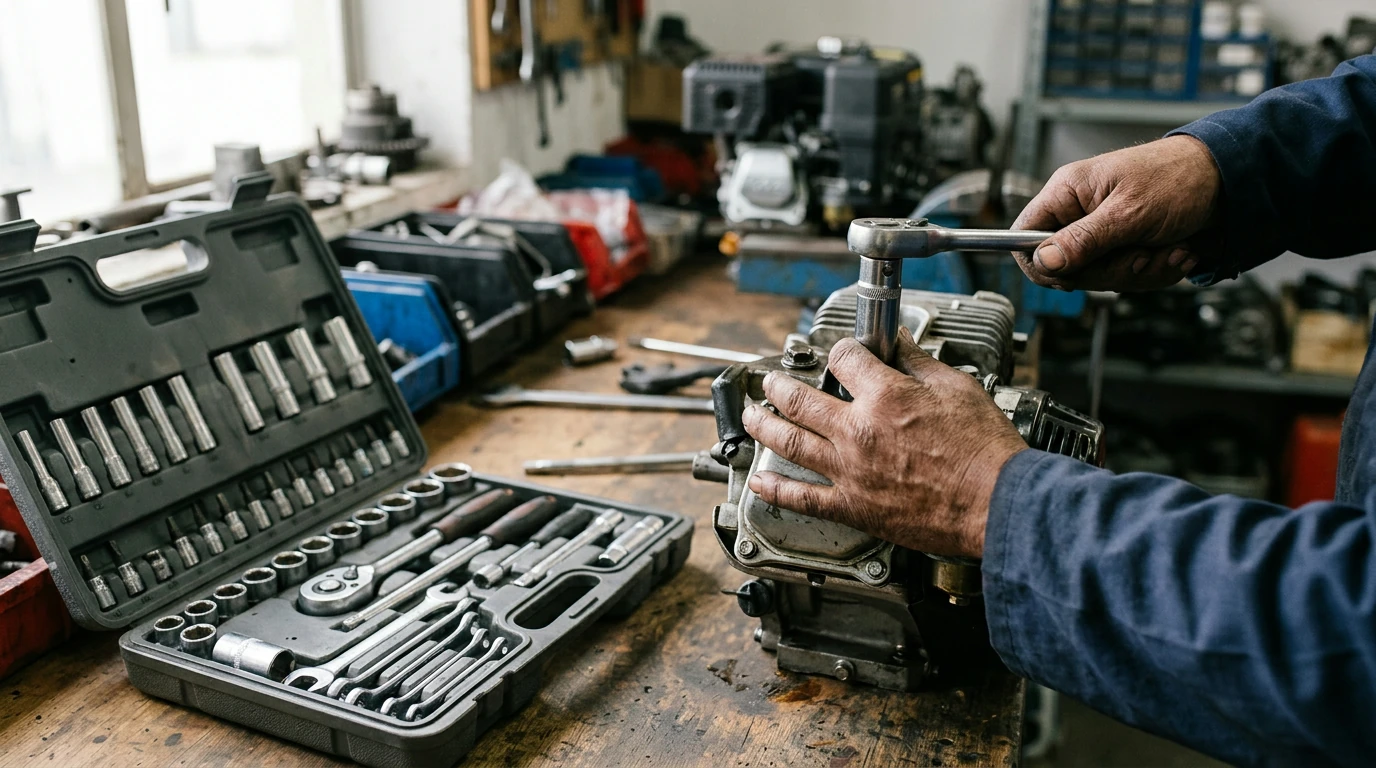
A loose bolt, an equipment assembly, or a basic vehicle maintenance job can call for more than one tool. Keeping a range of hand tools together makes it easier to prepare for those everyday projects, while choosing the right size and checking compatibility helps you work without damaging a fastener.
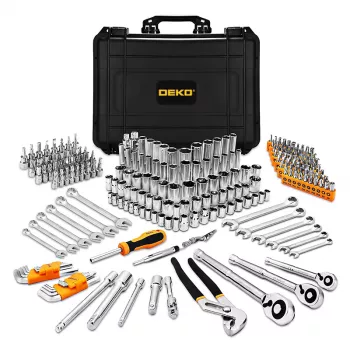
Our 234-Piece Mechanics Hand Tool and Socket Set with Ratchet Wrenches is a practical general-purpose option for your collection. Before you start any repair, take a moment to identify the fasteners, review the equipment instructions, and make sure you have the tools the job requires.
This collection brings mechanics hand tools, sockets, and ratchet wrenches together for routine work. Having a selection on hand can help you move between assembly and maintenance tasks without relying on a single wrench for every fastener.
The 234-piece count describes the collection as a whole. It does not mean there are 234 different types of tools: a collection can include multiple sizes of the same type or individual components counted as separate pieces. Review the product details to see whether the tools and sizes you need are included.
The listed price is $152.17, subject to change. Visit the product page for current pricing, availability, and set details before ordering.
A mechanics tool set can be useful when you need to tighten an accessible bolt, assemble equipment, or carry out basic vehicle maintenance. For example, you might use a properly sized socket and compatible ratchet on a fastener that has enough clearance for the tool. The right approach depends on the equipment and the space around the fastener.
A ratchet can make repeated turns more convenient because its mechanism lets you reset the handle without removing the socket from the fastener. This can be especially helpful when nearby parts limit how far you can swing the handle. You still need enough clearance to seat the socket fully and move the ratchet safely.
Consult the equipment manufacturer’s instructions before beginning. Some jobs call for a particular sequence, a specified tightening torque, or specialized equipment beyond a general hand tool set. If a repair involves a safety-critical component or is beyond your experience, seek qualified help.
A snug fit matters. A socket or wrench that is too large can slip and round the fastener’s edges, making the job harder. Identify whether the fastener uses metric or SAE measurements, then select the correct size rather than forcing a near match. Also confirm that the socket and ratchet drive are compatible.
Use the following table to plan your approach. It describes common tool choices and does not imply that every tool mentioned is included in the set.
| Task | Tool approach | Check before starting |
|---|---|---|
| Turn an accessible bolt | Use a correctly fitting socket and compatible ratchet | Socket size and drive compatibility |
| Work around nearby obstructions | Choose a tool that has enough clearance | Access and room to move the handle |
| Tighten a critical fastener | Follow the equipment manufacturer’s specified method | Whether a calibrated torque wrench is required |
If the manufacturer specifies a torque value, use a calibrated torque wrench as directed. A standard ratchet is useful for turning a fastener, but it does not tell you how much torque you have applied.
Inspect your tools before each job and set aside any that are cracked, worn, or otherwise damaged. Wear eye protection appropriate to the task, and keep your work area stable and well lit. The OSHA hand and power tool guidance provides additional safety information.
Seat a socket fully on the fastener before applying force. Avoid loose-fitting or damaged tools, and do not use ordinary hand sockets with powered impact tools unless the sockets are rated for that purpose. If you cannot reach the fastener securely, stop and choose a tool or method that gives you better access.
Afterward, wipe away dirt and moisture and keep the tools dry to help reduce corrosion. Returning pieces to their storage place also makes it easier to find the size you need for your next project.
Start with the work you do most often. If you regularly assemble equipment, look at its fastener sizes and the clearance around them. For vehicle maintenance, consult the service instructions and identify any torque specifications or specialized tools required. A broad collection is a useful starting point, but it may not cover every repair.
For a general-purpose addition to your tool collection, shop our 234-piece set after reviewing its current product details. If your vehicle project also includes cosmetic care, our Car Plastic & Leather Restorer – Back to Black Gloss Coating & Polish is a separate option for finishing work; it is not a substitute for repair tools.
No. The count describes the pieces in the collection; individual tool types can include multiple sizes or components.
A standard ratchet does not measure tightening torque. Use a calibrated torque wrench when the manufacturer specifies a torque value.
Identify the fastener’s size and measurement system, then select a socket that fits snugly and is compatible with the ratchet drive.






Leave a comment