
Daily hormone support can feel overwhelming when symptoms, routines, and advice conflict. A simple checklist-based plan can bring structure to sleep, stress care, nourishment, movement, and gentle herbal habits—without guessing what to do next. This guide explains how to use a hormone support checklist as a practical weekly system and how to tailor it to different seasons of life.
Hormones act like messengers that help coordinate energy, mood, appetite, sleep quality, temperature regulation, skin, and cycle patterns. When that messaging feels “off,” it can show up as irregular cycles, PMS discomfort, cravings, low energy, poor sleep, mood shifts, and a lower tolerance for stress.
A checklist approach supports consistency: small daily actions repeated over weeks often matter more than occasional big changes. Herbal support tends to work best when paired with foundational habits like steady sleep timing, balanced meals, hydration, and simple stress reduction—so the body has the basics it needs to respond well.
A structured plan is helpful for busy women who want a clear routine to track habits and symptoms week to week. It’s also a good fit for anyone who wants to support cycle comfort, stress resilience, and steadier energy using lifestyle habits plus gentle herbal practices.
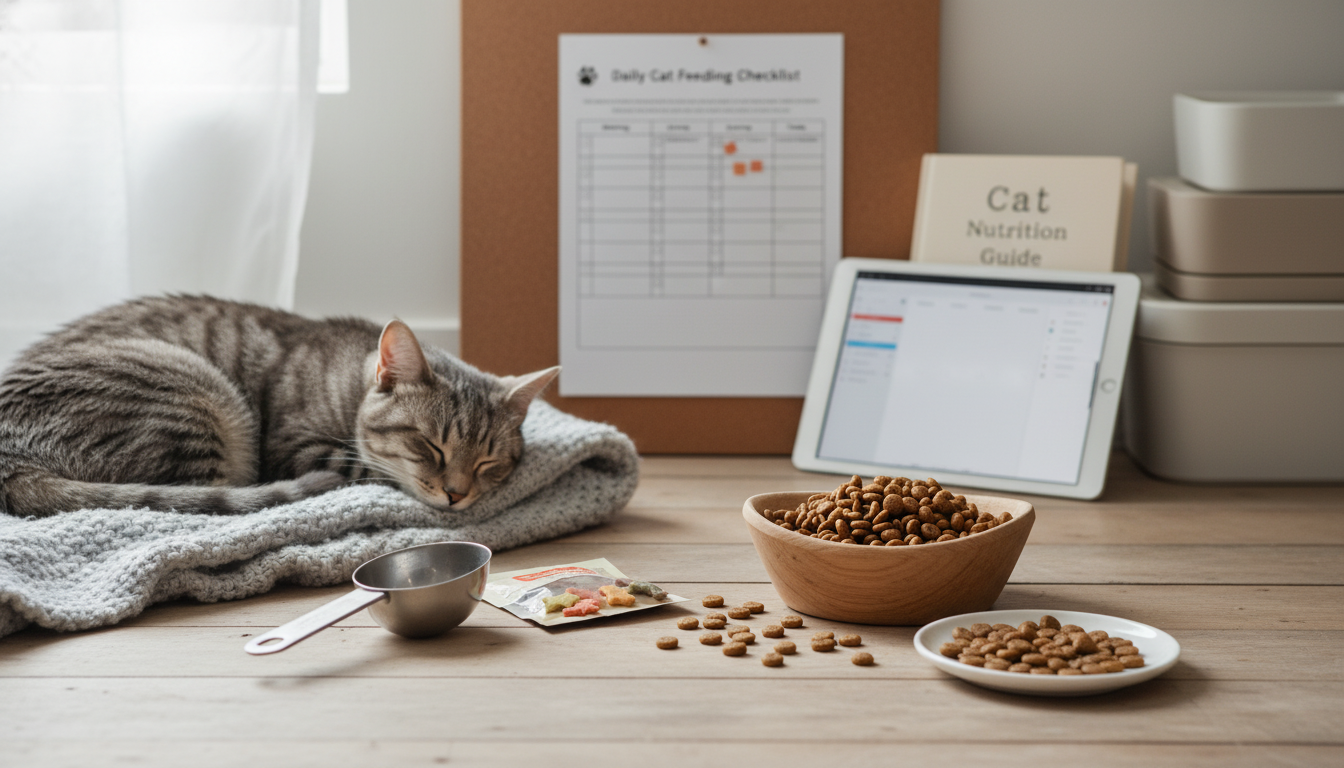
This format is especially useful in transition seasons (postpartum shifts, perimenopause, or a high-stress stretch) when it’s hard to tell what’s helping. Many people also prefer a digital download they can print, annotate, or use on a tablet for quick daily check-ins.
Before changing too much, track the basics for one week: sleep hours/quality, mood, cravings, cycle day, digestion, and stress level. This creates a “before” picture, which makes your weekly review more meaningful.
Choose three daily anchors you can actually follow. Examples: a consistent bedtime, a protein-forward breakfast, and a 10-minute walk. When the foundation is steadier, herbal support often feels clearer and easier to evaluate.
Introduce one herb or blend at a time and keep notes on timing, amount, and response. This “one variable” approach makes it much easier to tell what helped—especially if you’re sensitive to supplements.
At the end of the week, look for patterns such as sleep vs. cravings, stress vs. PMS, or hydration vs. headaches. Then decide what to keep, what to simplify, and what single change to test next.
| Daily Focus | What to Do | Simple Track Metric |
|---|---|---|
| Sleep rhythm | Aim for a consistent sleep and wake window; reduce late caffeine and bright screens | Hours slept + sleep quality (1–5) |
| Balanced meals | Include protein + fiber at breakfast; add colorful plants and healthy fats | Cravings (Y/N) + energy dip time |
| Stress care | Breathwork, journaling, or a short reset break; prioritize recovery after demanding days | Stress score (1–10) |
| Movement | Walk, mobility, or strength training based on energy level and cycle phase | Steps/minutes + perceived exertion |
| Herbal routine | Tea/tincture/capsule based on goals; keep timing consistent | Symptom change notes |
| Hydration | Water throughout the day; add electrolytes if helpful | Urine color + headaches (Y/N) |
Herbal approaches often include calming nervines for stress support, digestive bitters for gut comfort, and traditional women’s herbs for cycle support. The most sustainable approach is “start low and go slow,” introducing one herb or blend at a time and giving it enough days to observe how you feel.
Avoid combining multiple new products at once; otherwise it becomes hard to identify what helped (or what caused side effects). For general supplement safety and quality considerations, the NIH Office of Dietary Supplements offers helpful guidance: Dietary Supplements: What You Need to Know. For women’s health context around PMS symptoms, ACOG also provides a clear overview: Premenstrual Syndrome (PMS).
Safety matters. Pregnancy, breastfeeding, thyroid conditions, liver conditions, and prescription medications can change what is appropriate. Seek personalized guidance from a qualified clinician—especially with persistent symptoms, severe mood changes, heavy bleeding, or unexplained cycle changes.
Prioritize stable blood sugar, stress buffering, and regular sleep. Many women notice that consistent meals (especially adequate protein) and a predictable bedtime can reduce the “randomness” of mood and energy changes across the month.
Give it 2–4 weeks to see clearer patterns, especially for cycle-related symptoms. Some people notice sleep or energy shifts sooner, but weekly reviews work best when you change one variable at a time.
Sometimes, but interactions are possible and depend on the herb, dose, and your medication. Check with a pharmacist or clinician, introduce only one new product at a time, and monitor for changes.
Track sleep hours/quality, stress level, meals (especially protein), cravings, digestion, movement, cycle day, and notable symptoms like mood changes, headaches, or temperature shifts.






Leave a comment