
Rick Owens has not made a broad, brand-wide announcement that it is permanently “fur-free” across all lines and seasons. That means it’s safest to assume Rick Owens may still use animal-derived trims or pelts in certain releases, while other pieces may be made with shearling, leather, or faux-fur alternatives depending on the collection and the specific product.
Whether a Rick Owens item contains fur is usually determined at the product level, not by a single blanket policy. You’ll commonly see materials like shearling (sheepskin with the wool attached), lamb, calf, goat, and occasionally fur trims in luxury outerwear—especially in archival or older runway-influenced pieces. At the same time, some seasonal items use synthetic “faux fur” or other pile fabrics that mimic fur’s look without using animal fur.
The most reliable method is to check the official materials listing for that exact SKU (style and season). Look for terms such as “fur,” “rabbit,” “mink,” “fox,” “coyote,” or “shearling/sheepskin.” If a listing is vague (for example, “natural materials” or “trim: fur”), request clarification from the retailer before purchasing—especially for resale listings where details are often incomplete.
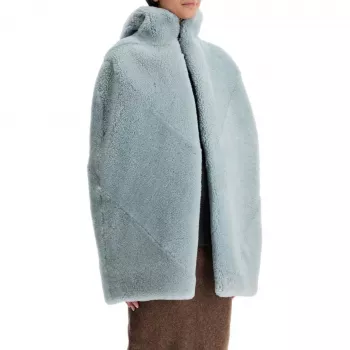
Shoppers sometimes treat shearling as “fur,” while others separate it because it’s sheepskin with wool attached. Either way, it’s still animal-derived and will have different warmth, weight, and care needs than faux options. If you’re comparing construction, fit, insulation, and upkeep for a Rick Owens hooded coat, this guide is a helpful reference: Rick Owens fur coat with hood fit, warmth, and care guide.
Check the product’s composition details: shearling is typically labeled “shearling,” “sheepskin,” or “lamb shearling,” while fur may list a specific animal (or simply “fur” for trims). When in doubt, ask the seller for a photo of the inner label and the full material breakdown.





Leave a comment