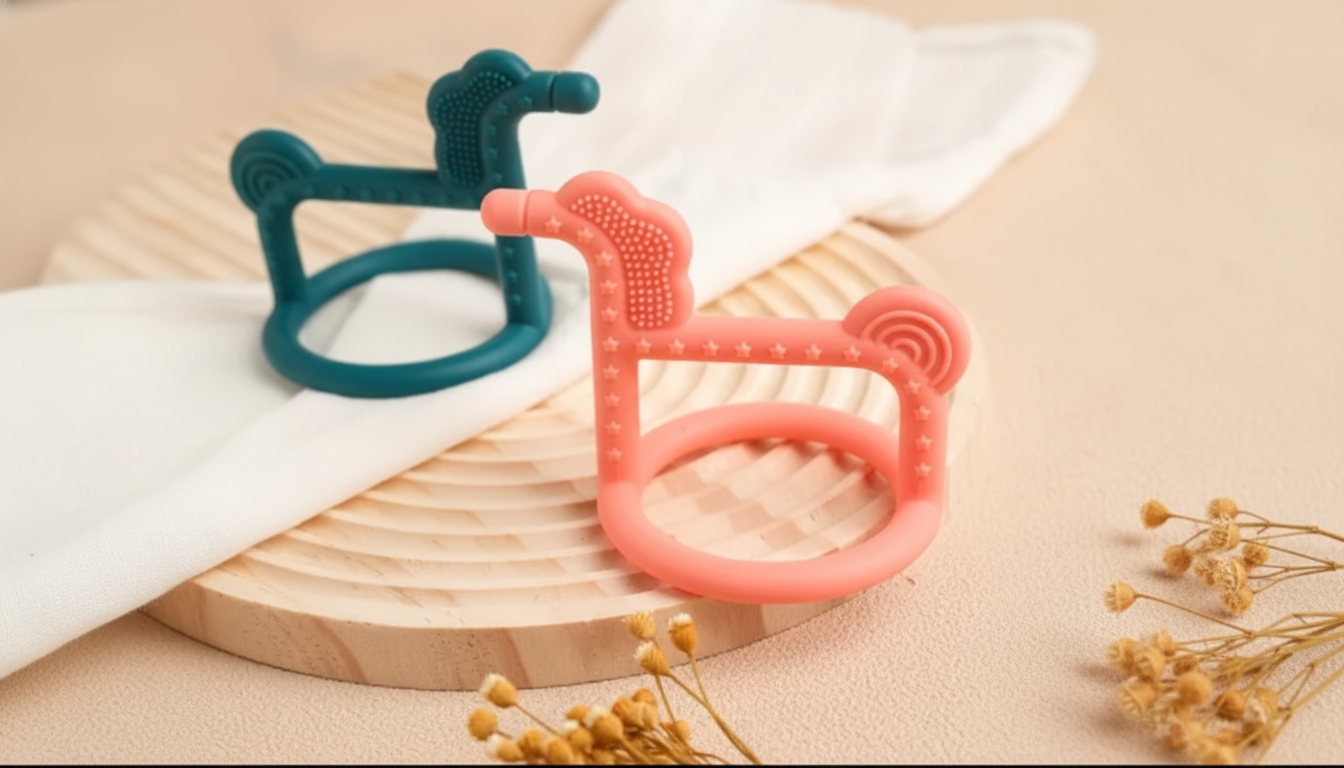
Silicone teething toys can be safe for babies when they’re made from high-quality, food-grade silicone and designed specifically for infant use. Silicone is popular for teething because it’s soft on gums, naturally flexible, and less likely to splinter or crack than some hard plastic options. That said, “silicone” on the label isn’t enough—safety depends on materials, construction, and how the toy is used.
Look for teethers labeled food-grade silicone and explicitly marketed as BPA-free and free from common additives like phthalates and PVC. A well-made teether should be a single, sturdy piece or have seams that don’t pull apart. Avoid items with easily detachable parts, beads that can break loose, or paint that could chip.
Even safe materials can become unsafe if the product is poorly made or worn out. Regularly check for tears, sticky residue, discoloration, or swelling—these can indicate breakdown or damage. Also confirm the size is appropriate; teethers should be large enough that they can’t fit entirely in a baby’s mouth and should not be attached with long cords that could pose a strangulation risk.
Supervise chewing, especially with younger babies who are still learning to grasp and mouth objects. Clean the teether often (following the manufacturer’s directions) and replace it at the first sign of damage. If a teether is labeled dishwasher-safe or boil-safe, use only the recommended method to avoid warping.
For a deeper look at choosing baby silicone teethers—especially BPA-free options and what to check before buying—visit this guide on BPA-free baby silicone cartoon teethers.
Wash with warm water and mild soap, then rinse thoroughly. If the product directions allow, you can sanitize by boiling briefly or using a dishwasher top rack; let it dry completely before giving it back to your baby.




Leave a comment