
Lamb fleece is the soft, insulating fiber that comes from a lamb’s first shearing. Because it’s the initial growth, the fibers are typically finer, springier, and smoother than wool taken after the first cut, which helps explain its cozy reputation in cold-weather clothing.
While all lamb fleece is wool, not all wool qualifies as lamb fleece. “Lamb” refers to the age of the animal and the timing of the shearing, not a separate material. The result is often a fabric that feels less scratchy and drapes comfortably, making it a popular choice for pieces designed to sit close to the skin, like hoodies, sweaters, and linings.
Lamb fleece is known for a plush, warm hand-feel with natural stretch and bounce. It traps air between fibers for insulation while still allowing breathability, which is why it’s commonly used for layering items that need to feel warm without feeling stiff.
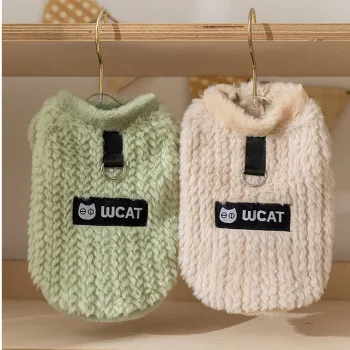
Depending on how it’s spun and finished, lamb fleece can appear in knitwear, brushed linings, or soft-textured outer layers. In fashion pieces, it’s often chosen to add warmth and comfort while keeping a refined look—especially in colder seasons where softness matters as much as insulation.
For styling ideas and fit details on cozy pieces that use fleece-like textures, visit the full guide here: https://exelline.com/guide-pet-lamb-fleece-hoodie-patchwork-yarn-skirt-fit-guide/.
For Lamb Fleece Explained: Feel, Warmth, and Uses, the best answer depends on fit, material, care instructions, and how the product will be used day to day.
Checking those details first helps avoid a poor match and keeps the choice practical after delivery.
For Lamb Fleece Explained: Feel, Warmth, and Uses, the best answer depends on fit, material, care instructions, and how the product will be used day to day.
Yes—lamb fleece is naturally insulating because the fine fibers trap air well. Warmth still depends on garment thickness, lining, and how you layer it.





Leave a comment