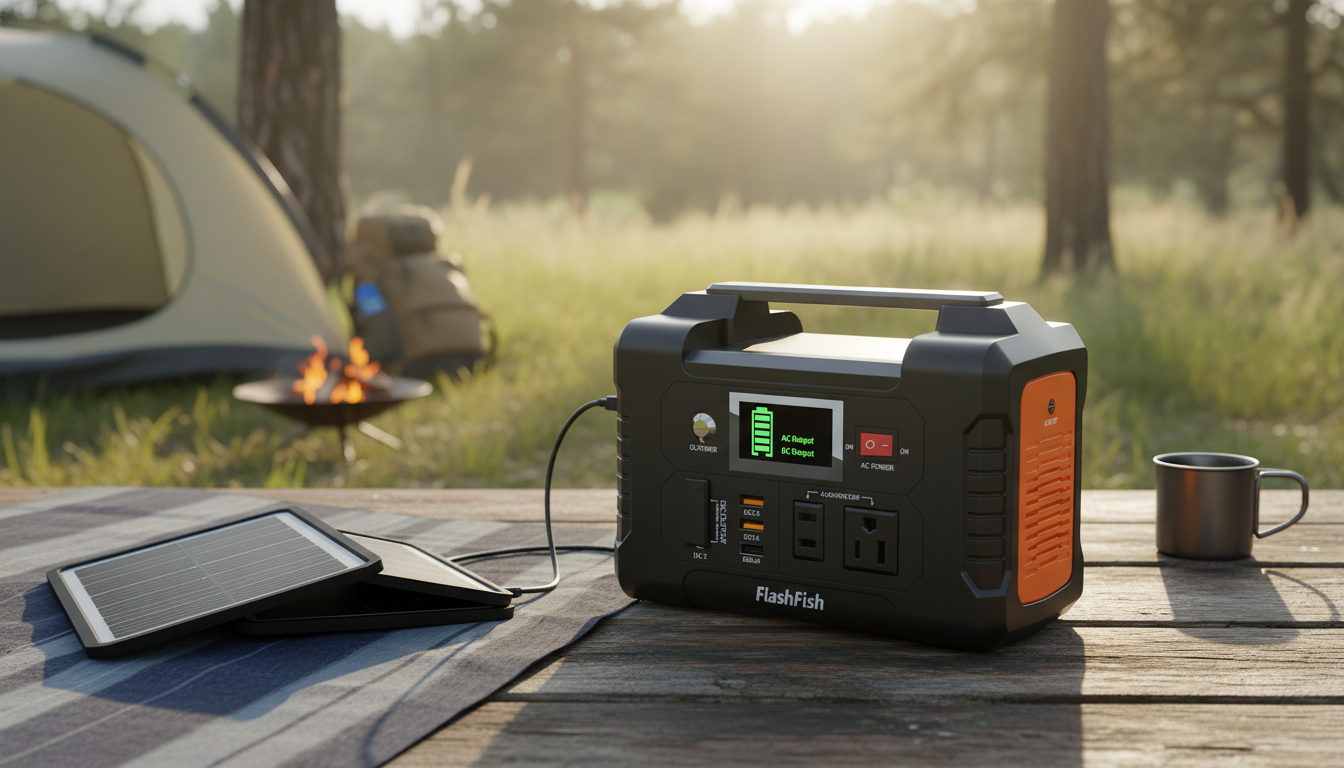
A “2000 watt solar generator” usually refers to its inverter output (how much power it can deliver at once), not how much energy it can store. Runtime mostly depends on the generator’s battery capacity (watt-hours, Wh) and your refrigerator’s average daily energy use.
As a practical range, many 2000W-class solar generators store about 1,000–2,000Wh. A typical modern refrigerator might average 50–150 watts over time (it cycles on and off), which often works out to roughly 1–3kWh per day depending on size, age, and room temperature.
If your generator has 1,500Wh usable energy: a fridge averaging 75W may run about 16–18 hours (1,500Wh ÷ 75W, with some loss). A less efficient fridge averaging 120W may run closer to 10–12 hours.
If your generator has 2,000Wh usable energy: a fridge averaging 75W may run about 21–24 hours; at 120W, about 14–16 hours. Usable energy is typically lower than the advertised battery size due to inverter losses and battery protection limits.
High startup surge is usually not the issue with a 2000W inverter (most refrigerators surge under that), but it can affect compatibility. Runtime changes more with door openings, warm ambient temps, frost buildup, and how full the fridge is. Adding solar panels can extend runtime significantly during daylight, sometimes allowing near-continuous operation in good sun.
To match the right setup, check your refrigerator’s annual kWh label or measure with a plug-in power meter, then compare to the generator’s watt-hours. For a deeper primer on solar generator basics and what the ratings mean, visit this solar generator guide.
For 2000W Solar Generator: How Long a Fridge Will Run, the best answer depends on fit, material, care instructions, and how the product will be used day to day.
For 8–12 hours, many fridges need about 600–1,800Wh depending on efficiency and temperature. Use your fridge’s measured average watts to estimate: average watts × hours = watt-hours.




Leave a comment