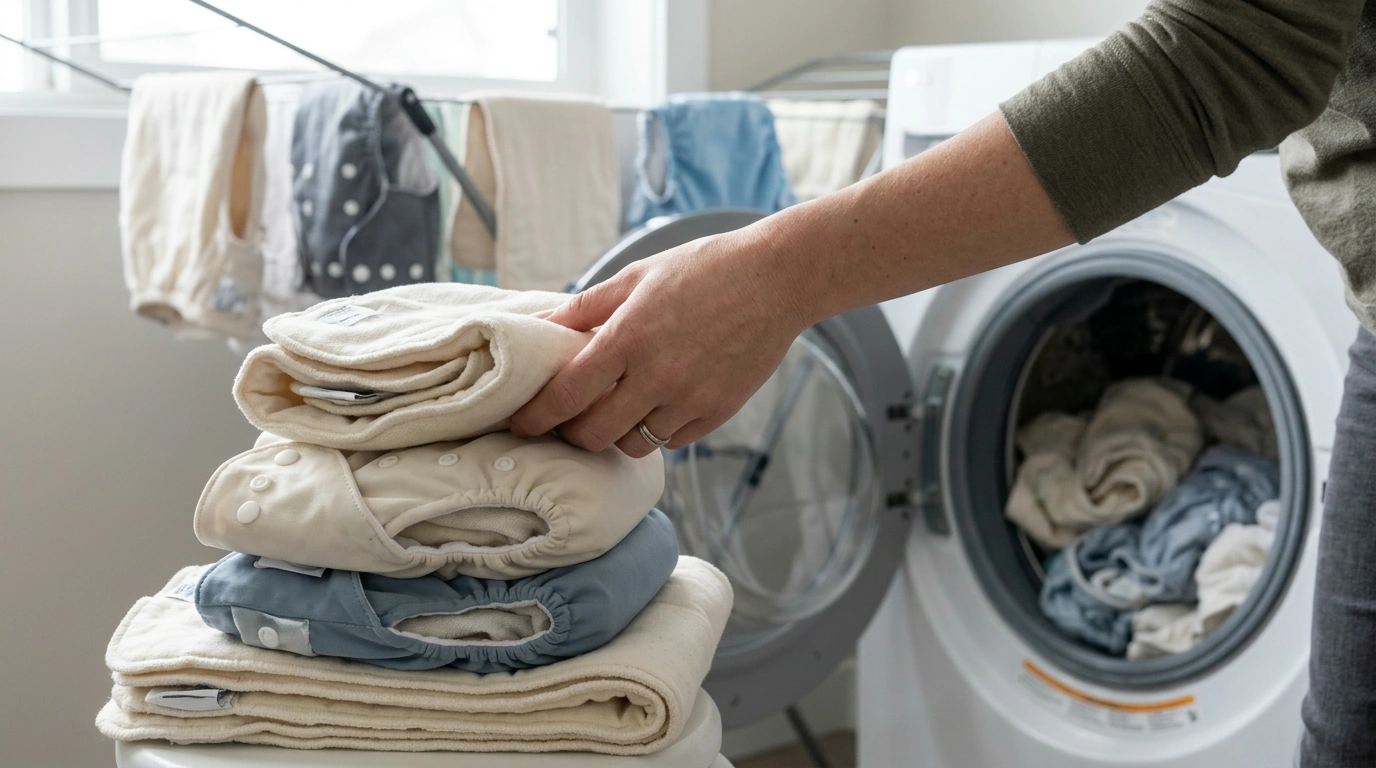
Yes—reusable cloth diapers are worth it for many families because they can lower long-term diaper costs, cut down on household trash, and give you more control over materials that touch your baby’s skin. Our team sees them work especially well when you want a dependable everyday diapering routine and don’t mind doing regular laundry.
Reusable cloth diapers tend to pay off when you’re changing frequently (newborns and young infants) and when you plan to diaper for months rather than weeks. You buy a set, rotate through it, and wash as needed instead of constantly restocking disposables. They’re also handy for preventing “oops, we’re out of diapers” moments because you can wash and reuse what you already own.
Many parents like cloth for the softer feel and the ability to choose gentle fabrics. A well-fitting cloth diaper can also do a great job containing messes when the rise and leg openings are snug without leaving deep marks. For better leak control, change promptly after heavy wetting, smooth the diaper into the bikini line at the legs, and avoid bulky clothing that can compress absorbency.
Cloth is most “worth it” when laundry is simple: knock solids into the toilet once your baby starts solids, store diapers in a breathable pail or wet bag, and wash every 2–3 days. Use enough detergent for a full clean, add an extra rinse if you’re seeing suds, and fully dry before storing to prevent odors. If your water is hard, a water softener or detergent adjustment can help diapers rinse cleaner.
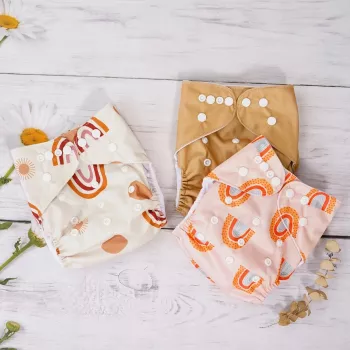
A practical approach is starting with a small rotation so you can learn what fit and absorbency your baby needs. If you’re diapering a newborn, look for diapers designed for small sizes and frequent changes. You can explore our deeper guide to newborn-friendly options here: https://exelline.com/guide-reusable-suede-cloth-diapers-3-pack-newborns/.
Most families do well with enough diapers for 2–3 days between washes, since newborns can go through many changes per day. A smaller starter stash can work if you’re comfortable washing more often.



Leave a comment