Lambs have wool. “Wool” is the actual fiber that grows from a sheep’s skin, whether the sheep is a young lamb or a full-grown adult. “Fleece” refers to that wool as a covering on the animal or as a whole harvest after shearing. So a lamb wears wool, and the lamb’s coat (or the shorn clip) is called its fleece.
On the animal, fleece is simply the layer of wool growing together across the body. After shearing, “a fleece” can also mean the entire shorn amount from one sheep, still in a single piece before it’s skirted, washed, and processed. That’s why people can say “the lamb’s fleece” and still be talking about wool—just grouped as a coat or as a harvest.
Often, yes. Lamb wool tends to be finer and softer because the fibers are newer and haven’t been exposed to years of weathering. As sheep age, wool can become a bit coarser, though breed and care make a big difference. Whether it’s from a lamb or an adult, wool can be made into yarn, fabric, and cozy apparel, and it’s valued for warmth, breathability, and natural resilience.
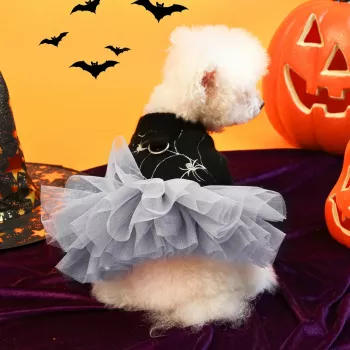
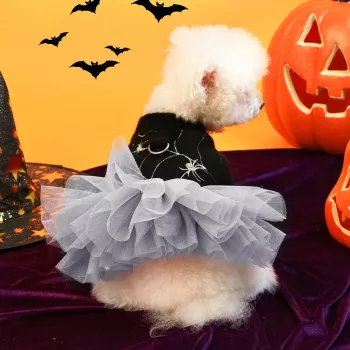
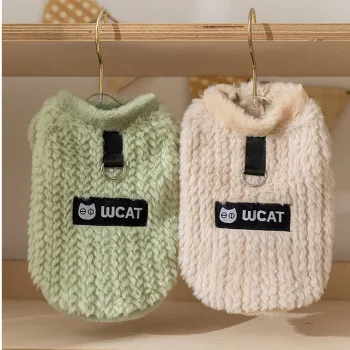
In shopping, “fleece” can also mean a fabric style—sometimes made from wool, but very often made from synthetic fibers like polyester. That can be confusing because the word “fleece” started as a direct reference to sheep’s wool. If you’re comparing textures and materials for fashion pieces and layering, see the detailed fit-and-style guide here: https://exelline.com/guide-pet-lamb-fleece-hoodie-patchwork-yarn-skirt-fit-guide/.
Lanolin is a natural wax produced by sheep that coats wool fibers. It can make raw wool feel slightly oily and helps with water resistance until the wool is thoroughly washed and processed.




Leave a comment