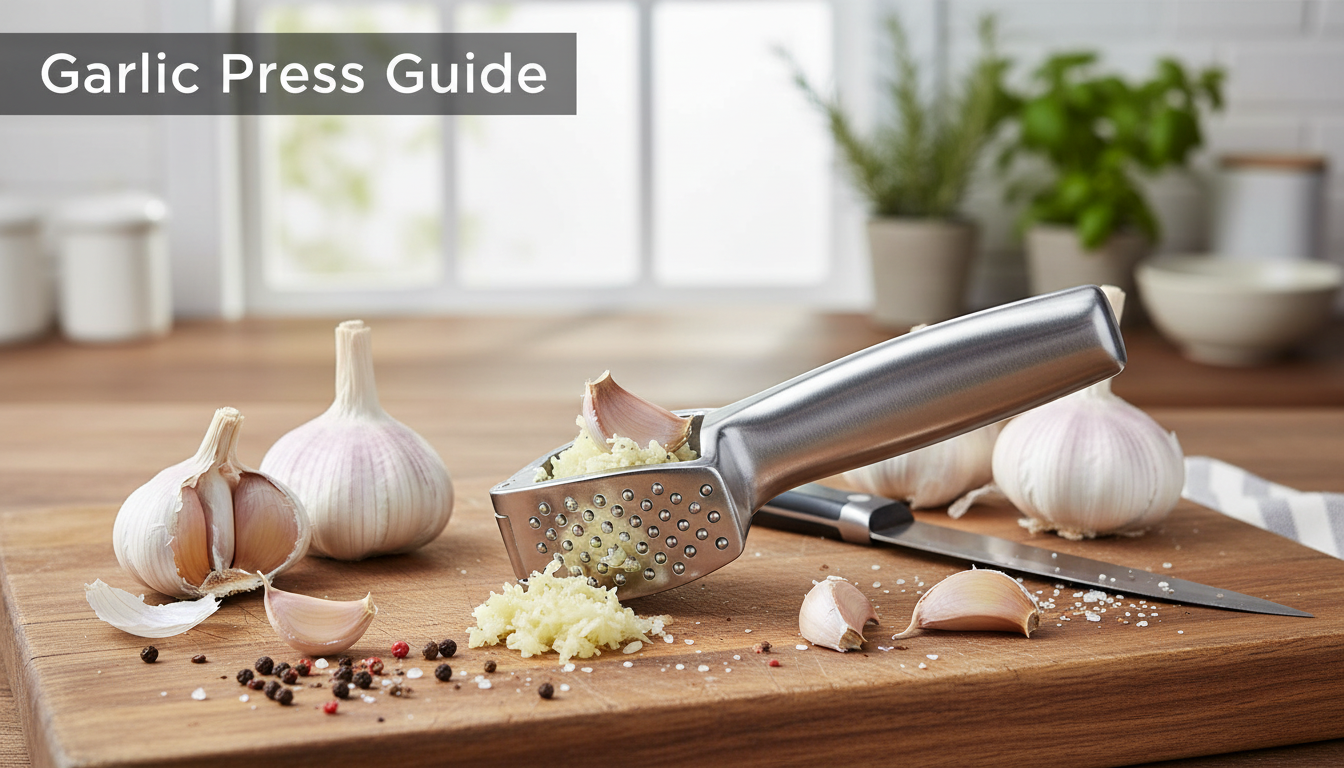
Yes—many professional chefs do use a garlic press, just not for every situation. In busy kitchens, speed and consistency matter, and a press can turn out finely crushed garlic in seconds with minimal knife work. It’s especially handy for small batches, quick pan sauces, dressings, marinades, and anytime you want garlic to melt into the dish without noticeable pieces.
That said, plenty of chefs still prefer a knife for certain preparations. Mincing or slicing gives more control over texture and flavor release, which can be important when garlic needs to stay distinct (like thin slices for sautéing) or when a recipe calls for a coarser chop. For large quantities, a chef might also reach for a food processor or prep a big batch by hand, depending on the kitchen’s workflow.
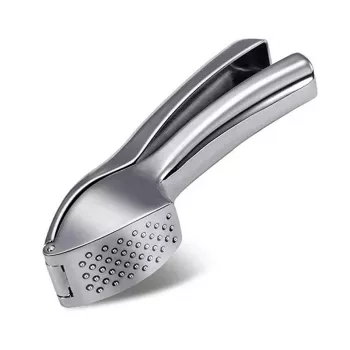
A good press creates an even, paste-like garlic that disperses quickly and can taste a bit more assertive than hand-minced garlic. It also saves time and keeps fingers from smelling strongly of garlic, which is a real perk during long service. The key is using a press that’s sturdy enough to handle firm cloves and easy enough to clean quickly between tasks.
If the dish needs garlic slices to brown gently in oil, or if the goal is a mild, rounded garlic flavor, chefs may choose slicing or a rough mince. Pressed garlic can burn faster because it’s so fine, so it’s often added later in the cooking process or cooked more gently. Some chefs also dislike fussy cleanup, so a press that rinses clean or has a simple design tends to get used more.
For a closer look at what separates a reliable tool from a frustrating one, see this guide: heavy-duty garlic press crusher guide.
Rinse it immediately after pressing so the garlic doesn’t dry in the holes, then use a small brush or the press’s built-in cleaner (if included) to clear any bits. If residue sticks, soak it briefly in warm soapy water and scrub again before drying.



Leave a comment