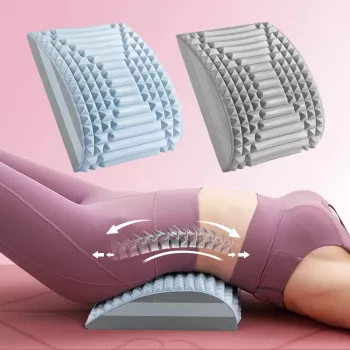
Neck stiffness often builds from long screen time, poor sleep posture, and daily stress. A cervical spinal massage pillow combines contoured neck support with targeted pressure to help relax tight muscles, encourage a neutral neck position, and make short recovery sessions easy at home. When used for brief, consistent sessions, it can be a simple way to “reset” after desk work, commuting, or scrolling—without turning your whole evening into a rehab project.
Neck discomfort can have many triggers, from muscle tension to workstation setup. For a broader look at common causes and when to get evaluated, see Mayo Clinic’s overview of neck pain and the NHS guidance on neck pain.
A cervical massage-style pillow is designed for short, intentional sessions—not necessarily for sleeping. The shape typically cradles the neck so the head can rest while gentle pressure lands near common “knot” zones.
Comfort and tolerance matter more than intensity. The “best” option is the one that supports you without making you brace, grimace, or tense up.
These pillows tend to feel most useful when tightness is muscular and posture-related—like the stiffness that shows up after a day of hunching, holding the phone between shoulder and ear, or sleeping with the neck rotated.
If your neck pain is influenced by your workstation, adjusting chair height, monitor level, and keyboard placement can reduce the “re-tightening” cycle. The Mayo Clinic office ergonomics guide is a practical starting point.
| Goal | Recommended Setup | Time |
|---|---|---|
| Ease end-of-day tightness | Lie on a firm surface; place the curve under the neck; knees bent to relax the low back | 5–15 min |
| Posture reset after desk work | Use on the floor; focus on slow breathing; avoid craning the chin upward | 5–10 min |
| Gentle decompression feel | Shift the pillow slightly higher/lower until pressure feels even; stop if sharp pain appears | 3–8 min |
| Travel/office relief | Use during a break on a clean mat or towel; keep sessions shorter | 3–7 min |
| Option | Best For | Considerations |
|---|---|---|
| Cervical massage-style pillow | Short daily relief and posture reset | Start gradually; avoid forcing the neck into extension |
| Traditional contour sleep pillow | Overnight neck support | Pick loft based on sleeping position; not always “massage-like” |
| Heat wrap or warm compress | General relaxation and soothing stiffness | Avoid excessive heat; follow safe timing |
| Professional evaluation/therapy | Persistent pain or neurological symptoms | Seek help for radiating pain, numbness, weakness, or dizziness |
If you want a compact tool for short recovery sessions, the Cervical Spinal Massage Pillow is designed to support the neck while providing focused pressure to common tension points. It fits easily into a simple routine: a few minutes after work, before bed, or after long periods of sitting.
For a more complete wind-down—especially on high-pressure days—pair your neck reset with a calmer work routine. The digital guide Calm at Work: Smart Strategies to Manage Stress and Boost Focus can help you build practical habits that reduce the stress “load” that often shows up in the shoulders and neck.
Start with 3–5 minutes for the first few sessions, then build up to 10–15 minutes if it stays comfortable. Consistent daily use usually feels better than rare, long sessions. Stop if pain increases or symptoms begin to radiate.
It may help when headaches are linked to muscle tension and tightness around the neck and base of the skull, especially when paired with slow breathing and posture changes. Use gentle pressure and keep sessions short at first. Seek medical evaluation for severe, sudden, or worsening headaches.
Many massage-style cervical pillows are intended for short sessions, not overnight sleep. If it’s firm or traction-like, avoid falling asleep on it unless the product is specifically designed for overnight use. For nighttime, a dedicated sleep pillow is usually a better fit.






Leave a comment