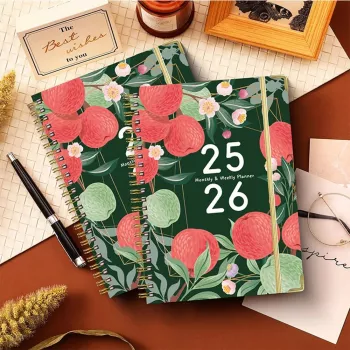
Floral A5 Planner 2025–2026: A 12-Month Agenda with To-Do Lists and Note Pages
A well-designed planner makes it easier to see the month at a glance, keep daily priorities visible, and capture notes without scattering ideas across loose sheets. This floral A5 planner for 2025–2026 combines monthly planning space with structured to-do lists and dedicated note pages—suited for work deadlines, school terms, family schedules, and personal goals. If you prefer planning by milestones and key dates (instead of hourly grids), a monthly agenda like this can feel simple, calm, and surprisingly powerful.
Who This Planner Works Best For
- Busy professionals who need a clean monthly overview plus room for task tracking
- Students managing assignments, exams, and activities across a full year
- Parents coordinating appointments, school events, and household routines
- Creatives and planners who want functional pages with a softer floral aesthetic
- Anyone who prefers A5 size for portability without feeling cramped
What’s Inside the Floral A5 12-Month Agenda
- 12-month layout designed for consistent planning across the year
- Monthly agenda pages to map key dates, deadlines, travel, and events
- To-do list space to keep priorities tied to the month’s big picture
- Note pages for meeting notes, brainstorming, budgets, trackers, or reminders
- A5 format that fits easily in many bags while still offering comfortable writing space
Key Details at a Glance
If you’re choosing between planner styles, it helps to compare structure and best-use scenarios side by side. Use the snapshot below to confirm whether A5, monthly views, and extra notes space match how you actually plan.
Planner Snapshot
| Detail |
What to Expect |
Best For |
| Format |
A5 planner |
On-the-go planning and everyday carry |
| Planning span |
12-month agenda |
Yearly projects, school year, or seasonal planning |
| Planning style |
Monthly views + task lists |
People who prioritize milestones and monthly goals |
| Writing space |
Dedicated note pages included |
Notes, lists, tracking, brainstorming, meeting summaries |
| Design |
Floral cover style |
Giftable stationery and a softer desk aesthetic |
How to Use Monthly Pages, To-Do Lists, and Notes Together
Monthly planners work best when each page type has a clear role. The month view holds commitments and deadlines; the to-do list turns intentions into actions; note pages capture details you don’t want to lose.
- Start each month with non-negotiables: bills, appointments, travel, school dates, and hard deadlines.
- Pick 3–5 monthly outcomes: examples include “finish a course module,” “schedule annual checkups,” or “complete a project phase.”
- Break outcomes into smaller tasks: move those next steps into the to-do list area so they stay visible all month.
- Use note pages as support: call lists, project requirements, packing lists, meal ideas, budget notes, or reminder logs.
- End-of-month review: mark what’s done, migrate what isn’t, and write a short recap so patterns (and pressure points) are easier to spot next month.
For focus sessions, pairing your to-do list with a timebox method can make tasks less intimidating. The original Pomodoro Technique is a simple starting point: choose one task, work in short bursts, then take brief breaks.
Planning Routines That Make It Easier to Stay Consistent
- A 10-minute monthly setup: dates first, then priorities, then a short backlog of tasks you can pull from.
- A quick weekly check-in: confirm what’s coming up and choose the week’s top tasks before the week starts.
- A daily 3-item focus: pick the most important three tasks; everything else waits until those are handled.
- Keep notes as a “parking lot”: ideas and details go into notes so your to-do list stays actionable instead of overwhelming.
- Use a consistent cue: tie planning to something you already do (morning coffee, end-of-workday shutdown, or a Sunday reset).
When life feels like it’s stacking too fast, a small reset can help you regain control. Practical guidance from Harvard Business Review reinforces a useful theme: clarify what matters most, then take the next step—one step at a time. If stress is affecting your body, the American Psychological Association outlines common physical effects, which can be a helpful reminder to plan in ways that support recovery (not just productivity).
Gift Ideas and Occasions
- Back-to-school and college supplies
- New job, promotion, or career change
- Housewarming and new-parent organization support
- Holiday or end-of-year refresh gift
- Self-care and goal-setting bundles with pens, highlighters, or sticky tabs
When a Monthly Planner Is the Best Choice (and When It Isn’t)
Recommended Picks (In Stock)
FAQ
Is an A5 planner big enough for everyday planning?
Yes—A5 is a practical balance between portability and writing space. Use the monthly pages for a clean overview, then put details (like running lists and planning notes) on the note pages; simple abbreviations or symbols can also keep entries readable.
How can the to-do lists and note pages be used without getting messy?
Separate tasks by theme (work, home, school) and keep a short “Top 3” that you can realistically finish. Migrate unfinished tasks weekly, and treat notes as reference pages (plans, lists, details) rather than a catch-all dump.
Does a monthly planner work for project planning?
It works well when you place milestones and deadlines on the month view and keep “next actions” on the to-do list. Use note pages for project briefs, checklists, meeting notes, and a quick monthly review to keep progress moving.
Recommended for you





Leave a comment