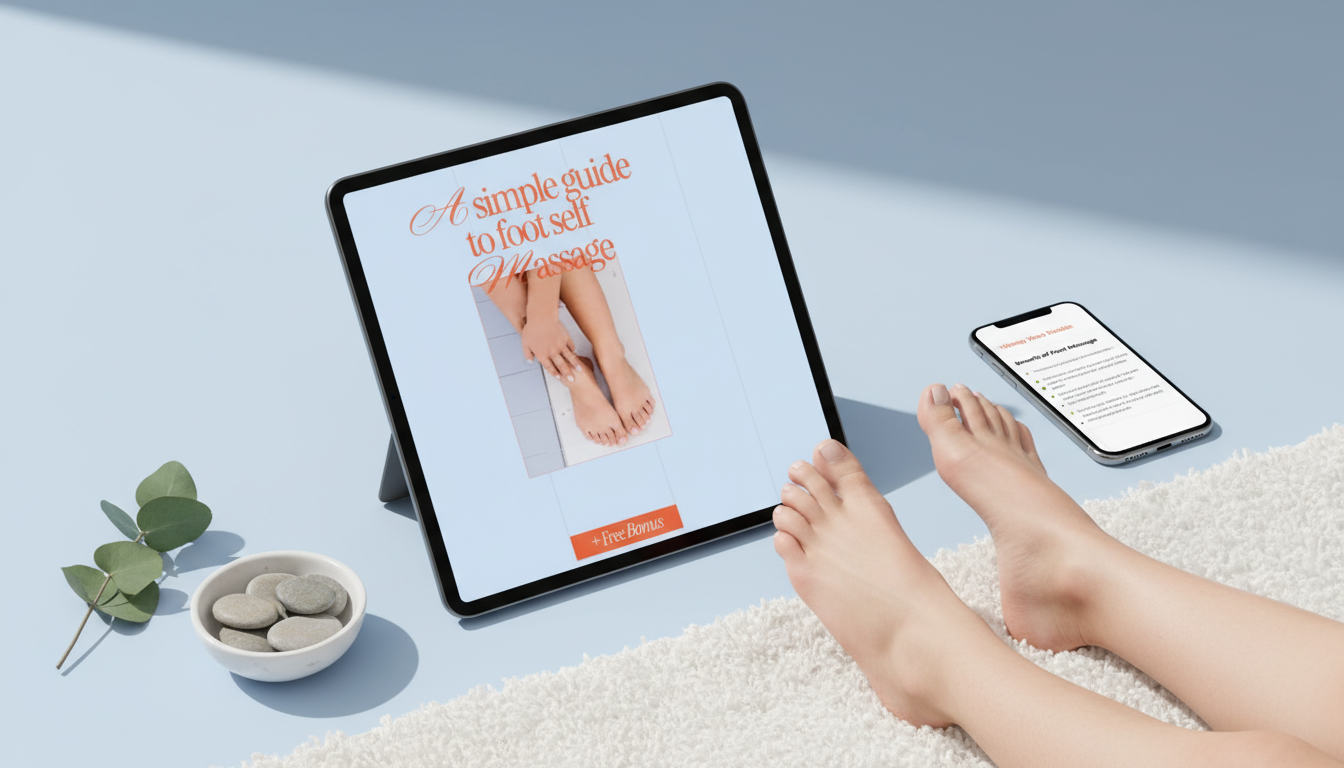
Foot self-massage is a simple, low-cost way to unwind after long days, ease everyday soreness, and support healthy feet with just a few minutes of consistent care. With the right pressure, pace, and a clear routine, it can become an easy habit for recovery, comfort, and better body awareness—whether the goal is relaxation, tension release, or daily maintenance.
Your feet absorb repeated impact and support your full body weight all day. Over time, that workload can show up as tight muscles, tender spots, and a “wired” feeling that’s hard to shake at night.
Long periods of standing, walking, running, unsupportive shoes, and reduced mobility can contribute to stiffness in the arches, heels, and toes. Even if the discomfort feels localized, it often reflects a whole-chain issue—from calves and ankles down to the small joints of the toes.
Gentle pressure and movement can boost local circulation and help reduce the feeling of tightness while also nudging the nervous system toward relaxation. Research summaries on massage note benefits for stress relief and general well-being, while emphasizing that results vary by person and condition.
Consistency typically beats intensity. A steady 5–10 minute routine done most days often feels more effective than occasional “digging” sessions that leave you sore or guarding.
Start seated where you can relax your shoulders and breathe easily. Rest one foot on a towel, yoga block, or your opposite thigh—whatever keeps your hips and back comfortable.
| Goal | Time | Best techniques | Pressure | Finish |
|---|---|---|---|---|
| End-of-day relaxation | 5–7 min per foot | Broad rubs, arch kneading, toe circles | Light to moderate | 30 seconds slow strokes + deep breaths |
| Sore arches and heels | 7–10 min per foot | Thumb glides along arch, heel squeezes, ball-roll | Moderate | Gentle calf stretch 30 seconds |
| Morning mobility | 3–5 min per foot | Toe spreads, ankle circles, plantar fascia sweep | Light | Short walk to “reset” |
These moves are easy to repeat without overthinking. Move slowly enough that you can feel what changes as you go.
For general guidance on massage safety and what evidence can (and can’t) say, see the NCCIH overview of massage therapy. For broader context on foot pain red flags and common causes, Cleveland Clinic’s foot pain resource is a helpful reference.
If it’s hard to stay consistent, a step-by-step resource can remove guesswork with clear sequences and timing cues. Consider A Simple Guide to Foot Self Massage – Digital Wellness Guide for Relaxation, Pain Relief, and Daily Foot Care for an easy routine you can follow nightly.
For anyone whose foot tension is part of a bigger stress pattern (tight shoulders, shallow breathing, mental fatigue), pairing foot care with a workday calm-down plan can help. Calm at Work: Smart Strategies to Manage Stress and Boost Focus offers practical structure to support relaxation habits beyond the feet.
Most people do well with 5–10 minutes per foot. Short daily sessions are often more helpful than occasional long sessions, especially for tight arches or general soreness.
Mild tenderness is common, but it should stay tolerable and ease when you reduce pressure. Avoid sharp or burning pain, numbness, or tingling, and stop if symptoms worsen.
Gentle arch work paired with calf stretching can reduce the feeling of tightness for many people. Avoid aggressive digging into the most painful point and consider professional guidance if symptoms persist.





Leave a comment