HomeBlogBlogGame Day Checklist for Coaches: Calm, Focused Motivation

Game Day Checklist for Coaches: Calm, Focused Motivation

Game Day Checklist for Coaches: Calm, Focused Motivation

Ready, Set, Motivate!: A Game Day Checklist That Builds Calm Confidence and Competitive Fire

Game day energy can either sharpen focus or scatter it. A simple, repeatable checklist helps coaches turn pregame nerves into readiness—without relying on last-minute speeches. This structure supports consistent routines, clear communication, and player belief from arrival to first whistle.

Why a Checklist Works When Emotions Run High

On game day, adrenaline compresses time: small decisions feel urgent, and messages can get noisy fast. A checklist creates a steady lane for everyone to follow.

  • Reduces decision fatigue by standardizing what happens before every game, so the staff isn’t reinventing the wheel under pressure.
  • Creates psychological safety: players know what to expect and when, which lowers uncertainty and steadies nerves.
  • Improves communication by clarifying roles, timing, and the “one voice” message the team will hear.
  • Builds confidence through controllables: preparation, effort cues, and team identity remain available no matter the opponent or venue.
  • Helps new or volunteer coaches stay organized when the environment is loud, emotional, and fast-moving.

Stress is real—and it affects attention, decision-making, and the body. For more context on how stress shows up physically and mentally, the American Psychological Association’s overview is a helpful reference.

The Three-Part Pregame Rhythm: Connect, Clarify, Commit

Great pregame routines feel calm, not complicated. A simple rhythm keeps your staff aligned and helps players lock in quickly.

Connect

  • Use quick personal touchpoints at arrival (eye contact, names, a short check-in).
  • Model positive body language; the team often mirrors the staff’s emotional temperature.
  • Create warmth early so intensity later doesn’t turn into tension.

Clarify

  • Share one game-plan priority, one defensive focus, and one special-situations reminder.
  • Keep messages brief and repeatable; adrenaline reduces how many cues players retain.
  • Align assistant coaches so athletes receive one unified message.

Commit

  • Use a short team cue that reinforces identity (examples: “fast starts,” “next play,” “serve each other”).
  • Make it a shared language: players should hear it, say it, and act it.

Game Day Checklist Timeline (Sample Framework)

Time Window Coach Actions Player Focus Motivation Cue
60–45 min pregame Confirm roster/lineups, equipment, roles; greet players Arrive, hydrate, light movement “We’re prepared.”
45–25 min pregame Run warm-up flow; reinforce standards; check nerves Warm-up with intention; communicate “Win the next rep.”
25–10 min pregame 3 key reminders; situational plan; finalize rotations Visualize first actions; lock in assignments “Simple, fast, together.”
Final 10 min Short huddle; role clarity; emotional lift without panic Breathe, focus cue, team unity “First five minutes: our pace.”
In-game resets Timeout script; next-play language; body language check Reset after mistakes; execute one cue “Next play.”

Warm-Up That Motivates: Energy Without Chaos

A warm-up should raise readiness, not anxiety. The goal is organized intensity: players feel prepared and connected, not rushed and jittery.

  • Use a consistent sequence: movement prep → skill touches → competitive mini-drill.
  • Coach effort targets (sprint back, talk on defense, bench energy) instead of outcomes (shots made, goals scored).
  • Assign leaders simple jobs: tempo captain, communication captain, focus captain.
  • Watch for over-arousal (rushed technique, arguing, jittery talk). Slow it down with one deep breath plus one simple cue.
  • End with a quick win: a drill that reinforces identity and competence—something the team does well.

Many organizations emphasize that performance and well-being are connected; the NCAA’s mental health resources offer a useful reminder that emotional readiness matters.

Pregame Talk That Sticks: The 60-Second Script

If players only remember a few lines, make them count. A compact script helps you deliver clarity without drowning the team in information.

  • Open with belief: highlight one concrete preparation win (a practice detail, film insight, or resilience moment).
  • State the plan in three bullets max: one offense/attack cue, one defense/stop cue, one transition/special cue.
  • Name roles out loud for key situations (first shift, first sub, late-game responsibility).
  • Use controllable language: effort, communication, discipline, response.
  • Close with a shared phrase the team repeats (call-and-response builds unity and attention).

Motivating Different Players Before a Game

Not every athlete needs the same “pump-up.” A checklist helps you individualize without losing the team message.

Between-Play and Timeout Resets That Keep Belief Alive

For coaches building repeatable practice-to-game structures, USA Football’s coaching education resources provide solid examples of organized planning habits that translate to game day.

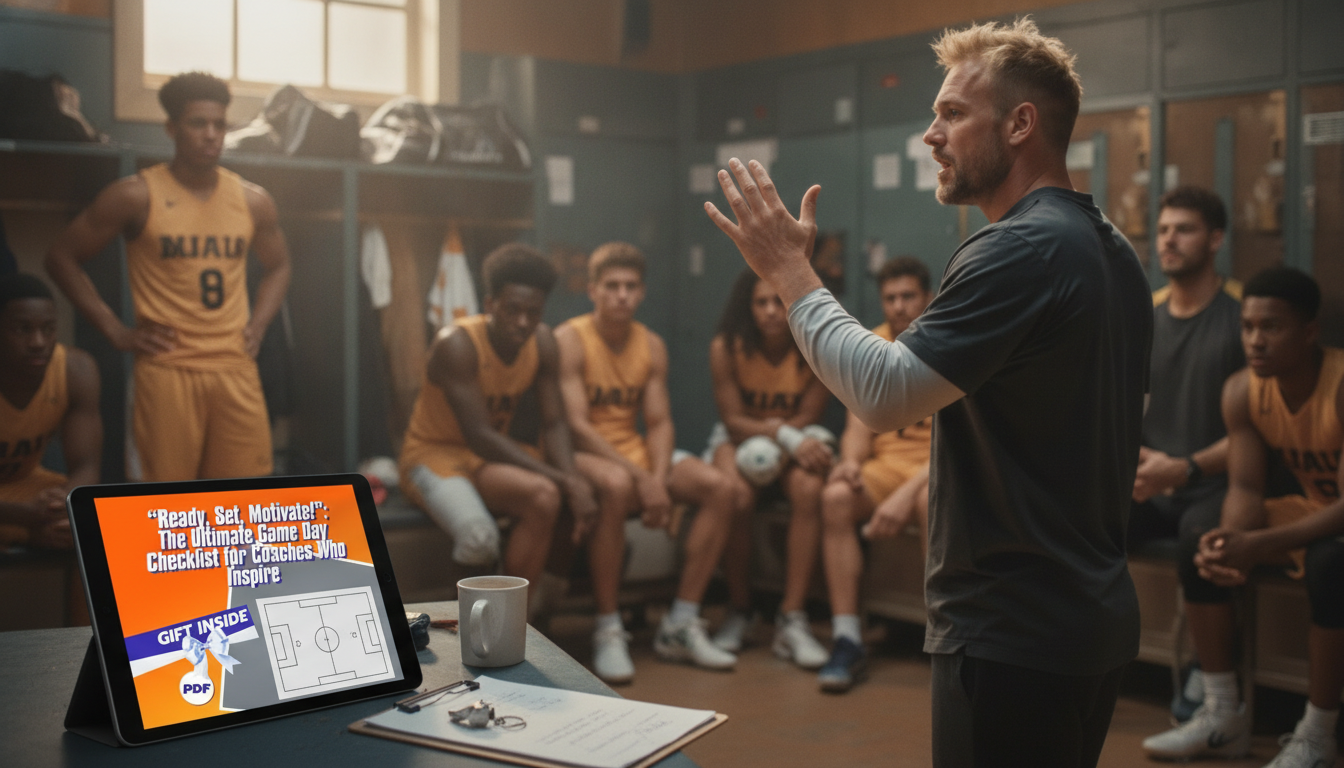
Digital Download: Ready, Set, Motivate! Checklist for Game Day

FAQ

How do coaches motivate players before a game without overhyping them?

Anchor motivation to controllables and keep cues to three or fewer so players can execute under adrenaline. Use a calm-confidence tone, define roles and first actions, and pair energy with a simple reset routine.

What should be included in a pregame checklist for coaches?

Include timing, equipment and roster checks, the warm-up flow, three key game cues, role clarity, a short huddle script, and a timeout/reset script. The goal is consistency: the same structure every game so players know what “ready” feels like.

How can a coach help nervous players right before kickoff or tip-off?

Normalize nerves as a sign the moment matters, then give a breathing/reset routine and one simple first job. Reinforce identity-based confidence by pointing to something the team reliably does well.

Was this article helpful?

Yes No
Leave a comment
Top

Yay! 10% Off Just for You!

Join our community and enjoy 10% off your first order. Subscribe for exclusive deals!

Shopping cart

×