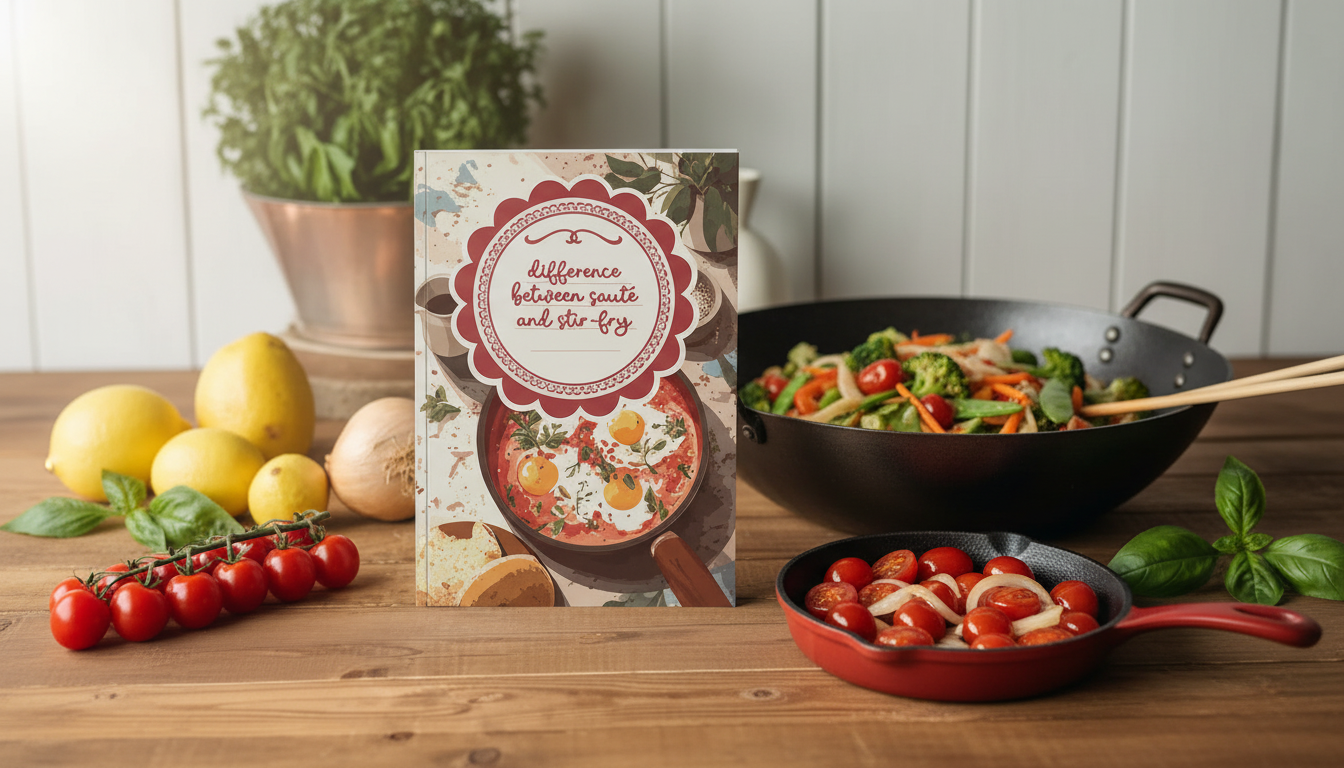
Sautéing and stir-frying both rely on high heat and quick cooking, but they’re built for different pans, different ingredient prep, and different movement in the pan. Understanding how each method handles heat, moisture, and browning makes it easier to choose the right technique—and get better flavor and texture with less guesswork.
Sautéing cooks food quickly in a shallow layer of fat over medium-high to high heat. The goal is steady browning: ingredients sit in contact with the hot pan long enough to develop color, then get flipped or tossed to finish.
A classic sauté advantage is what’s left behind: browned bits (fond). Add wine, stock, lemon, or even water, scrape, and reduce—suddenly a simple protein has a real pan sauce.
Stir-frying uses very high heat and constant or frequent movement to cook small, uniform pieces fast. Instead of building fond, it focuses on quick searing while keeping vegetables crisp-tender and meats juicy—then finishing with a glossy sauce that clings.
Because the timing is tight, stir-fry rewards organization. Have everything cut, measured, and ready to go before the pan hits peak heat.
The easiest way to separate these methods is to look at the equipment and the “traffic pattern” of your ingredients: how crowded the pan is and how often pieces move.
| Feature | Sauté | Stir-Fry |
|---|---|---|
| Typical pan | Skillet or sauté pan | Wok (or wide, heavy pan) |
| Heat level | Medium-high to high | High to very high |
| Cut size | Small to medium pieces | Small, uniform pieces |
| Movement | Intermittent tossing/turning | Constant or frequent stirring/tossing |
| Batching | Less necessary | Often essential to avoid steaming |
| Signature result | Browning + fond; great for pan sauces | Crisp-tender bite; sauce glaze and aromatics |
Sautéing encourages direct contact with the pan, which drives Maillard browning and builds fond—especially with proteins and mushrooms. Stir-frying can produce quick searing and occasional lightly charred edges, but it’s less about building a pan base and more about preserving snap and freshness.
If you want a silky pan sauce, sauté is the natural fit. If you want a bright, glossy glaze that coats every bite, stir-fry is the stronger choice.
Preheat pan → add oil → add ingredients in a single layer → let brown briefly → toss/flip → finish quickly; deglaze if making a sauce. Keep an eye on heat: too low and food turns pale; too high and the fond can burn before you can deglaze.
For deeper background and definitions, these references are helpful: Encyclopaedia Britannica — Sauté (cooking), Encyclopaedia Britannica — Stir-frying, and the USDA Food Safety and Inspection Service — Food Safety Basics for safe handling and cooking practices.
Yes—use a wide, heavy skillet or sauté pan, preheat thoroughly, keep batches small, and toss frequently to mimic wok airflow and prevent steaming.
It’s usually overcrowding, wet vegetables, or adding sauce too early. Dry ingredients well, cook in batches, and add sauce near the end so it thickens and coats instead of pooling.
Either can be light or rich depending on oil amount and sauce. Compare total added fat and sugar, and keep portions of oil modest while leaning on high heat and short cook times.





Leave a comment