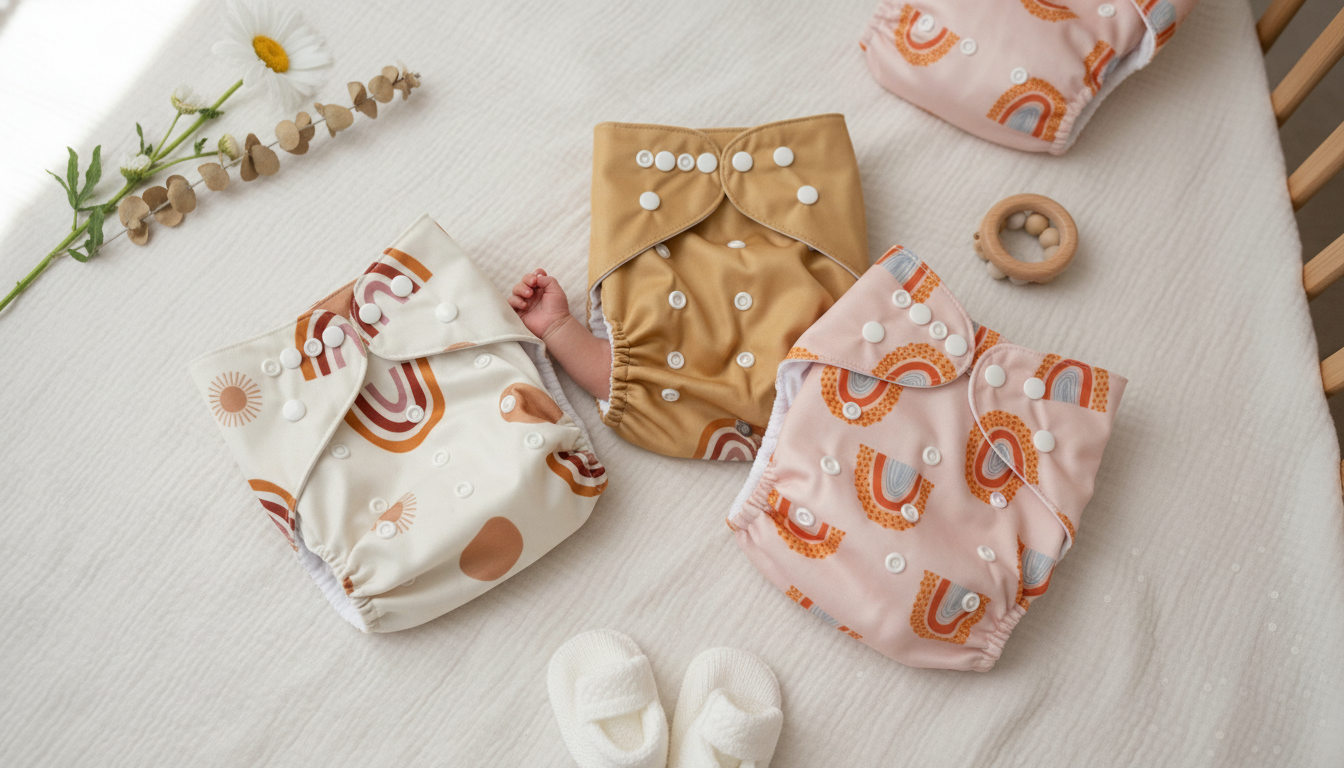
A small cloth diaper stash can make the newborn stage feel more manageable—especially when comfort, washability, and quick changes matter most. The 3pcs Reusable Suede Baby Cloth Diapers Set – Soft & Washable Newborn Nappies is a simple starter option for families who want a reusable routine without committing to a full drawer right away. Below is a practical guide to what’s included, how to get a reliable fit, how to rotate a 3-pack day to day, and how to keep diapers fresh and gentle on newborn skin.
This set is designed for frequent newborn nappy changes and early-stage diapering when you’re learning what works for your baby’s body shape and schedule.
Newborns can go through many changes per day, and that frequency makes comfort and skin feel a top priority. A suede-feel inner layer is often chosen because it aims to reduce rubbing and feels smooth when you’re changing often.
With cloth diapers, leaks are often caused by fit issues rather than a lack of absorbency. A few small checks before each change can make a big difference.
A 3-pack works best when you treat it like a mini system: one diaper in use, one ready to go, and one in the wash or drying. This keeps changes fast even when you’re tired.
| Situation | What to do | Why it helps |
|---|---|---|
| At home (daytime) | Change often; place used diaper in wet bag/pail; keep one clean diaper staged | Reduces moisture time against skin and keeps changes fast |
| Naps/longer wear | Add extra absorbency if needed; check fit before sleep | Helps prevent leaks when changes are less frequent |
| Outings | Pack 1–2 diapers, wipes, and a wet bag | Avoids emergency purchases and contains odors |
| Laundry day | Wash a small load more frequently rather than waiting too long | Prevents ammonia buildup and lingering smells |
Because diaper changes are frequent, hand hygiene matters too. Following basic handwashing steps helps limit the spread of germs in the home (see the CDC’s guidance on handwashing).
For additional guidance on diaper rash symptoms and care, the American Academy of Pediatrics provides a helpful overview at HealthyChildren.org.
If you’re building a smoother day-to-day routine beyond diapering, these in-stock items can also be useful in a busy household: Portable 200W Solar Generator with AC Outlet & USB Ports for reliable backup power during outages or travel, and Calm at Work: Smart Strategies to Manage Stress and Boost Focus for practical stress-management habits when sleep is short.
Most newborns need frequent daytime changes, often every 1–2 hours or whenever the diaper is soiled. For longer stretches like naps or car rides, check the fit before sleep and consider extra absorbency if your routine calls for it.
Not necessarily—rash is usually caused by moisture, friction, and irritants. Cloth can work well with frequent changes, thorough washing, and making sure baby’s skin is clean and fully dry; contact a pediatrician if the rash is severe, blistering, or not improving.
Remove solids first, store used diapers in a wet bag or pail, and wash regularly with a cloth-appropriate detergent while avoiding fabric softeners. If ammonia or lingering odor shows up, adjust detergent amount and load size to prevent residue or under-cleaning.





Leave a comment