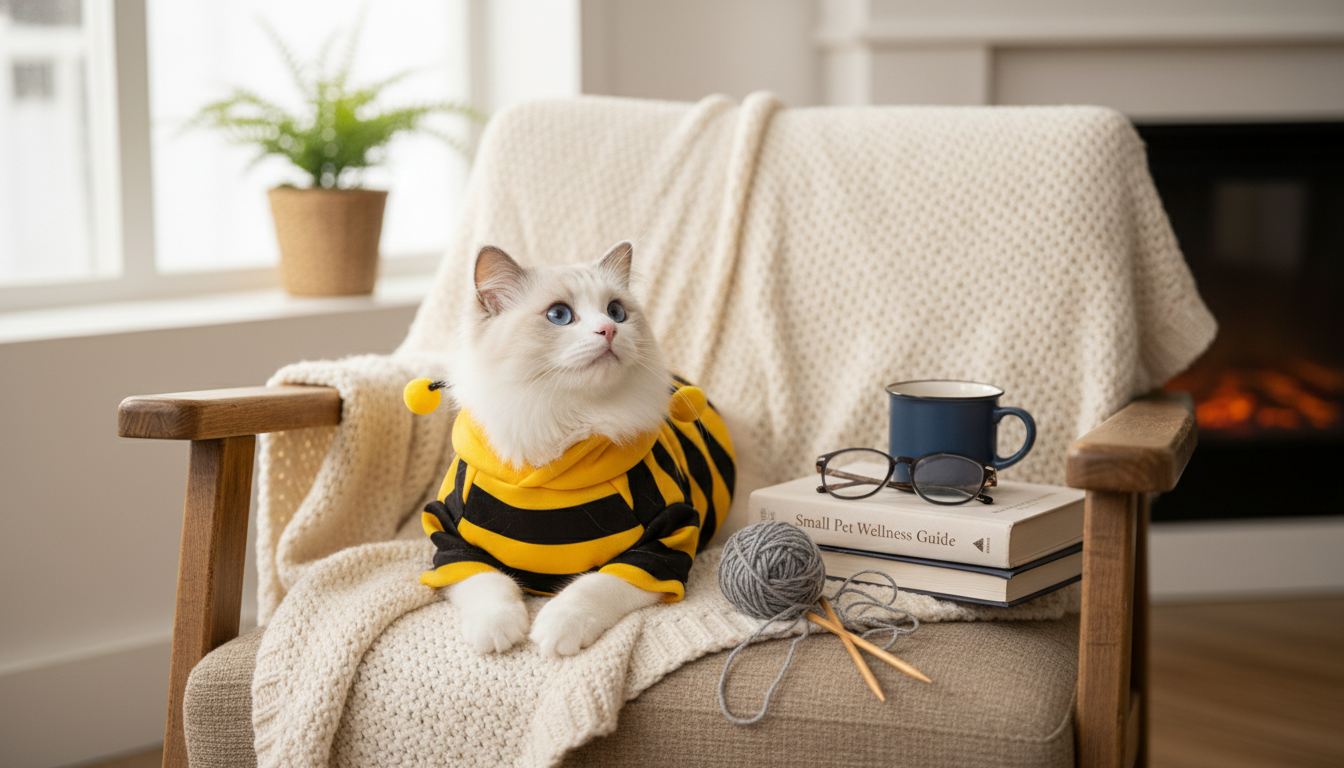
Chilly floors, brisk walks, and drafty rooms can leave small pets shivering. A well-fitted sweater adds warmth without restricting movement, helping cats and small dogs stay comfortable indoors and outside. This guide covers when a sweater helps, how to get the right fit, and simple care tips for everyday wear.
Not every pet needs an extra layer, but for some, a sweater can make a noticeable difference in comfort—especially during seasonal transitions and colder months.
For broader cold-weather safety reminders (including outdoor time limits and frostbite risk), review guidance from the American Veterinary Medical Association (AVMA) and the ASPCA.
A sweater only works if it’s comfortable. Too tight can restrict breathing and stride; too loose can twist, snag, or rub. Before choosing a size, measure:
Prioritize chest fit first. If the chest is snug in a good way (not compressing), minor extra length can often be workable, but a tight chest usually isn’t. After putting the sweater on, confirm:
| Check | What to Look For | Fix If Needed |
|---|---|---|
| Two-finger comfort | Two fingers slide under the sweater at chest/neck without pressure | Size up or adjust if tight |
| Shoulder movement | Front legs swing freely; no pulling at the armholes | Try a different cut/size |
| No rolling or twisting | Sweater stays centered along the spine | Tighten fit or select a better shape |
| Skin and fur protection | No rubbing at armpits or along belly | Shorten wear time; change size/material |
| Safe neckline | Neckline doesn’t press on throat; collar can sit comfortably | Avoid restrictive collars; adjust neckline |
Daily-wear pet sweaters should warm without causing itchiness, static, or stiffness. For most cats and small dogs, the most comfortable choice is a soft knit with a little give.
Even if the fit is perfect, some pets need time to learn that clothing is safe. The goal is calm, normal movement—not freezing in place or frantic wriggling.
Warm apparel stays cozy when it’s clean, dry, and in good condition. A quick check after each use also helps prevent skin irritation.
If your pet does best with a light, wearable layer rather than bulky outerwear, Cozy Pet Sweater – Warm Apparel for Cats & Small Dogs is designed to provide everyday warmth for cool conditions.
Cold snaps can also come with outages and unpredictable weather. For at-home backup power needs, consider the Portable 200W Solar Generator with AC Outlet & USB Ports.
Common signs include shivering, curling up tightly, seeking warm spots, reluctance to go outside, and cold ears or paws. If signs persist or your pet seems weak or distressed, contact a veterinarian, and avoid overdressing that could cause overheating.
A pet sweater should be snug but not restrictive—use the two-finger rule at the neck and chest. Your pet should walk, sit, and lie down normally with no rubbing at the armpits or belly.
Many pets do best with sweaters removed at night to reduce overheating and chafing risks. If overnight wear is considered, only do so when the fit is proven safe, the pet is fully comfortable, and you can monitor for irritation or restlessness.




Leave a comment