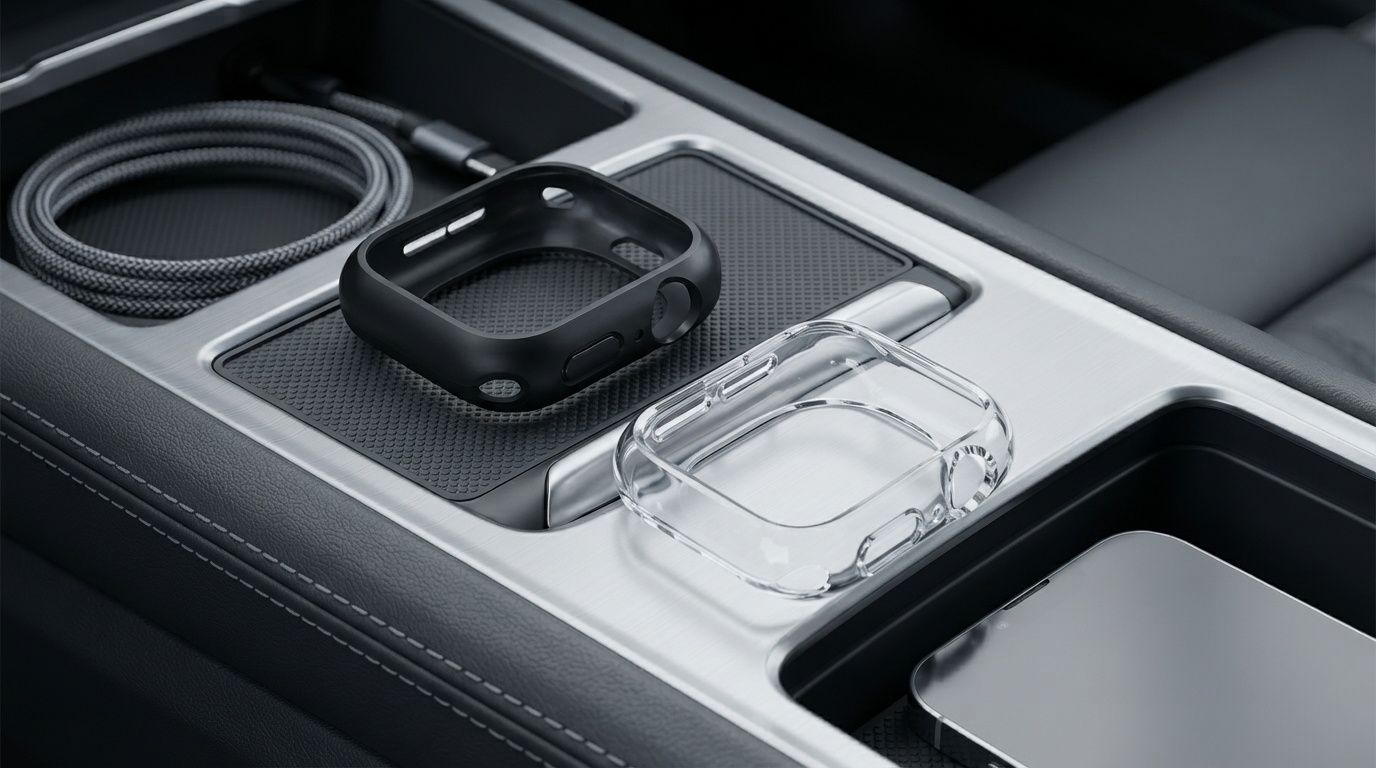
Yes—silicone cases can be genuinely protective, but their protection is mostly focused on preventing everyday damage rather than making a device “drop-proof.” Silicone’s main advantage is its flexible, slightly grippy material that cushions minor impacts and helps reduce scuffs and scratches from daily wear. On small devices like an Apple Watch, that translates to better defense against bumps into door frames, desk edges, gym equipment, and other common contact points.
A quality silicone case can absorb light shock and spread out impact energy, which helps reduce the chance of chips and cosmetic wear. It also creates a barrier between the device and abrasive surfaces, keeping the body from getting scratched during normal use. Many people also find silicone improves grip, which can lower the odds of fumbles when putting the watch on or taking it off.
Silicone is not the same as ruggedized armor. If the device hits a hard surface from a height or lands at an angle, the case may not prevent damage—especially if the screen is exposed or the impact lands on an unprotected edge. Very thin silicone cases prioritize slimness and comfort, which can mean less cushioning. Also, silicone can stretch over time if it’s constantly removed, potentially reducing how tightly it fits.
Fit and coverage matter as much as the material. Look for raised edges (a small lip) around vulnerable areas, full edge coverage, and a snug fit that doesn’t shift. If screen protection is a priority, consider a design that integrates a screen cover or pairs well with a compatible screen protector. For practical guidance on fit, daily care, and how a silicone case performs on an Apple Watch, see this protective silicone case guide.
They’re very effective for preventing scratches on the watch body by creating a barrier against abrasive contact. They won’t stop scratches on exposed glass unless the design also covers the screen or you add a screen protector.




Leave a comment