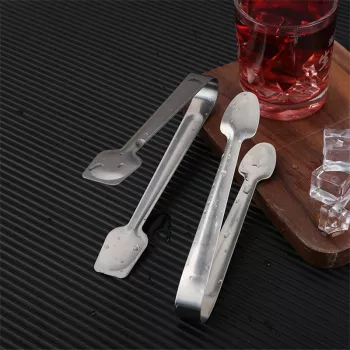
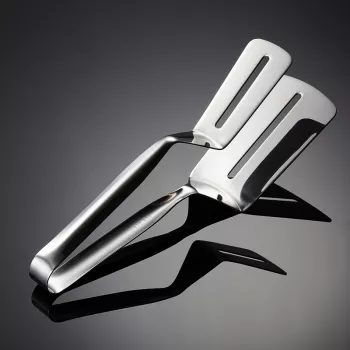
Stainless steel tongs make it easier to grab, flip, plate, and serve without crushing delicate foods or risking heat damage. The right design—length, tip style, tension, and lock mechanism—can improve control at the stove, on the grill, and at the buffet line. Whether you’re turning vegetables in a skillet or placing a garnish with care, a well-made pair of tongs can feel like an extension of your hand.
Stainless steel is a practical choice for kitchen tools because it handles everyday messes and high heat without fuss.
Tongs aren’t just for grilling. A good pair covers a surprising range of kitchen tasks while keeping hands safer and food better intact.
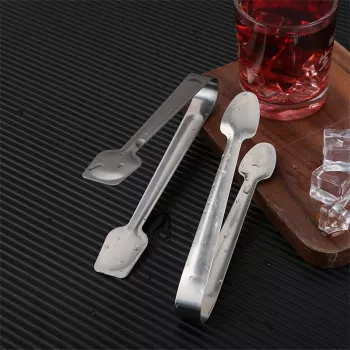
For especially small or delicate items—think olives, pickles, sugar cubes, or roasted garlic cloves—compact tools can be easier to aim. Stainless Steel Mini Tongs are a convenient option when full-size tongs feel bulky.
Length changes both safety and control. Shorter models tend to feel more precise, while longer ones help keep heat at a distance.
| Style | Best for | Typical length | Tip design to look for |
|---|---|---|---|
| Mini | Garnishes, small foods, air fryer baskets, jars | 6–8 in. | Narrow tips with good grip texture |
| Standard | Daily cooking, turning, serving | 9–12 in. | Scalloped edges for versatile hold |
| Extra-long | Grilling, smoker, deep pans | 14–18 in. | Wider tips for stable lifting |
| Locking | Storage and one-hand handling | Varies | Smooth lock that won’t slip during use |
Two sets of stainless steel tongs can look similar but feel very different in use. These details tend to matter most during real cooking.
If you do a mix of tasks—plating small bites one minute and turning chicken the next—consider keeping more than one size on hand. Mini tools like Stainless Steel Mini Tongs help with detail work, while a longer pair is better for grill heat and deeper pans.
Stainless steel is durable, but it still benefits from basic upkeep—especially around the hinge where residue and water can hide.
For general food safety basics—including preventing cross-contamination—refer to guidance from the USDA Food Safety and Inspection Service. For broader cleanliness principles around utensils and equipment, the FDA Food Code is a helpful reference.
If you want a dedicated tool for fine control, Stainless Steel Mini Tongs are an easy add-on for a kitchen drawer, lunch station, or coffee bar setup.
Yes—stainless steel handles stovetop and grilling heat well, but choose a length that keeps your hands a safe distance from flames and hot oil. Because metal conducts heat, avoid leaving tongs resting in hot pans and use care when gripping near the hinge.
They can, but bare metal may scratch some nonstick coatings if you scrape or pinch too hard. Use gentle pressure and avoid dragging the tips across the surface, or choose tongs with silicone tips if you cook on nonstick often.
Start with warm soapy water and dry thoroughly. For spots, use a baking soda paste with a nonabrasive pad; for mineral deposits, a brief vinegar rinse can help, followed by a full rinse and dry.




Leave a comment