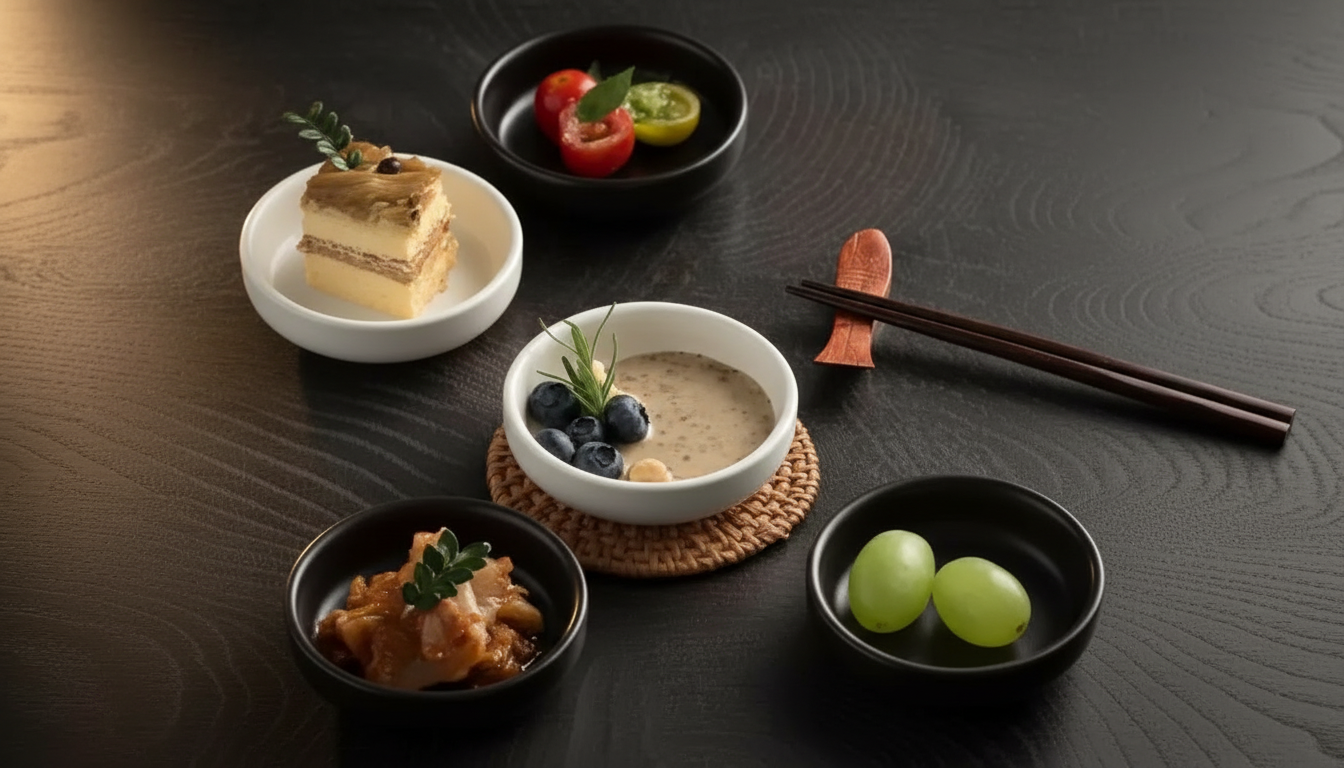
A Japanese ceramic sauce dish keeps soy sauce, ponzu, chili oil, or dumpling dip neatly portioned while adding a handcrafted, table-ready accent. The right shape, depth, and glaze make dipping cleaner, plating prettier, and cleanup easier—whether for sushi nights or everyday meals. A dedicated dish also helps each condiment taste the way it should: crisp, distinct, and not diluted by whatever else is on the plate.
A sauce dish might be small, but it quietly solves several common “messy plate” problems. First, it keeps flavors separated. Soy sauce, wasabi, ginger, ponzu, and sesame dips stay distinct instead of blending together on a dinner plate, so each bite tastes intentional.
It also improves portion control and reduces spills compared with pouring sauce directly onto the plate. A defined rim and a contained well give chopsticks and fingers a more predictable target—especially helpful with sushi, sashimi, gyoza, tempura, and bite-size appetizers.
Finally, ceramic holds temperature more steadily than thin plastic. That can be a plus for warm dipping sauces (like a quick sesame-ginger dip) or chilled ponzu served alongside fish.
Japanese sauce dishes come in a range of silhouettes, and each one subtly changes how you dip, pour, and plate. A shallow rectangle is a classic for soy sauce and sushi because it’s easy to dip the fish side without soaking the rice. Round bowls add depth for oil-based dips and thicker sauces. Divided dishes make it simple to keep soy sauce separate from wasabi, or to serve two options side by side. Spouted or edge-lipped designs help controlled pouring when you’re finishing a plate with a drizzle.
| Style | Best for | Why it works | Notes |
|---|---|---|---|
| Shallow rectangular | Soy sauce, ponzu | Easy dip angle; less splashing | Pair with chopsticks rest for a tidy setting |
| Small round (deeper) | Gyoza sauce, sesame dip | Holds more volume and thicker sauces | Choose a stable base to prevent tipping |
| Divided | Soy + wasabi, two tasting sauces | Keeps flavors separate | Easier to serve guests with preferences |
| Edge-lipped/spout | Finishing sauces, drizzles | Controlled pour and fewer drips | Handy for plated appetizers |
Not all ceramic sauce dishes feel the same in daily use. A few details make the difference between “pretty” and “practically perfect”:
A good sauce dish earns its keep even when sushi isn’t on the menu. Try a tasting trio by serving tamari, yuzu ponzu, and spicy sesame in separate dishes for an easy “choose your favorite” setup. For dumplings, build a mini condiment bar: minced scallion, toasted sesame, chili crisp, and grated daikon can sit in small dishes as add-ons alongside the main dip.
These dishes also work beautifully for small bites—olives, pickled ginger, furikake, or even a pinch of flaky salt for finishing roasted vegetables. When cooking, use one as a prep helper to hold measured grated garlic or grated ginger so everything is ready when the pan is hot.
If takeout is part of the routine, a clean dipping setup makes it feel less like eating from containers and more like a quick, relaxed meal. For safe handling and timing reminders with leftovers, this guide is a solid reference: USDA FSIS: Safe Handling of Takeout and Leftovers.
For a classic, table-ready option, the Japanese Ceramic Sauce Dish is a practical choice to keep dips neatly portioned while adding a handcrafted accent. If you’re shopping for a versatile small ceramic dipping dish that can handle soy sauce, ponzu, or chili crisp, this style fits neatly into everyday settings.
For hosts who like having a simple pre-dinner routine—menu notes, timing, and a calmer prep flow—pairing table upgrades with planning tools can help. The Calm at Work: Smart Strategies to Manage Stress and Boost Focus | Digital Guide for Professionals | How to Manage Stress at Work eBook & Checklist is also available if you want an easy structure for staying organized on busy days.
A small, shallow dish that holds a modest portion is ideal. The shallow depth helps you dip the fish side of nigiri without soaking the rice and also reduces splashing when you set pieces down.
It depends on the specific dish and its care instructions. Many glazed ceramics are dishwasher-safe, but gentle hand-washing can help preserve the finish over time; avoid sudden temperature changes to reduce the risk of thermal shock.
Rinse promptly, then soak in warm, soapy water if needed. For light stains, a gentle baking soda paste often helps; skip abrasive scrubbers that can dull the glaze.




Leave a comment