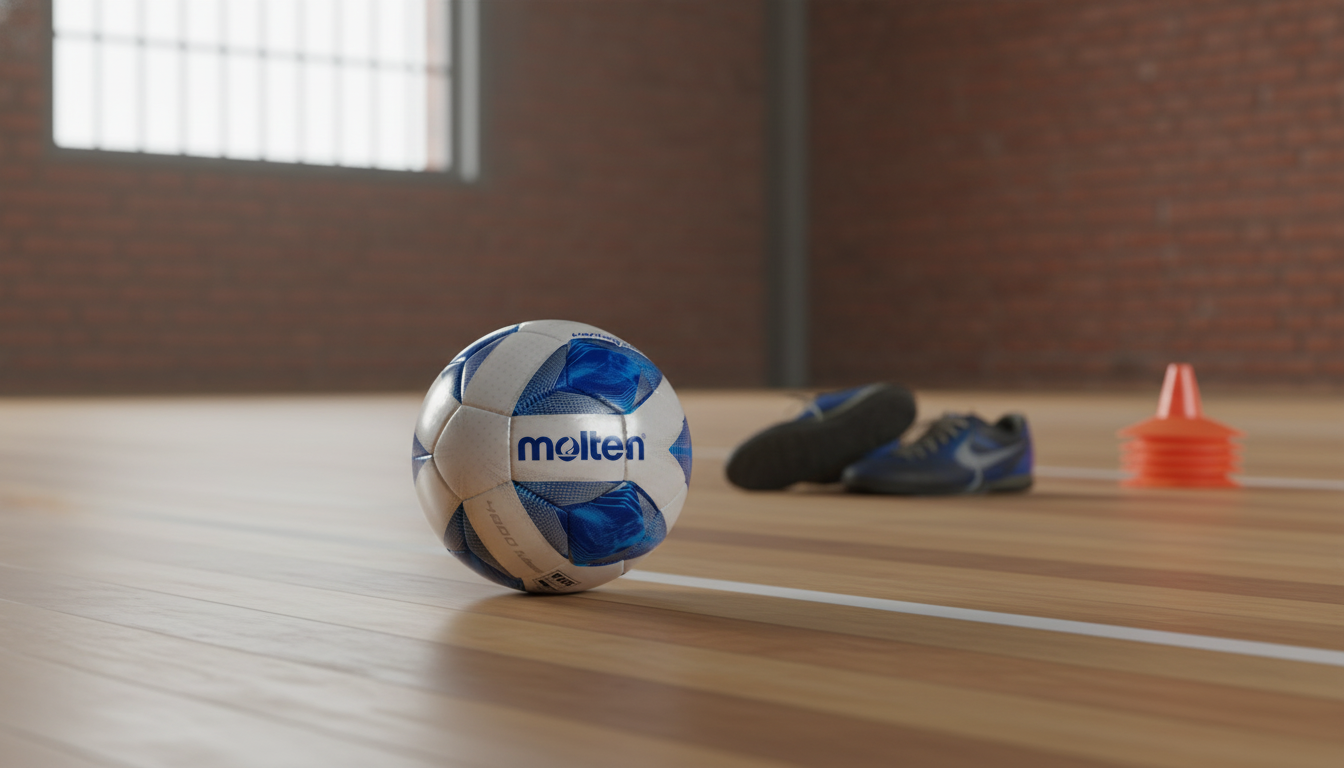
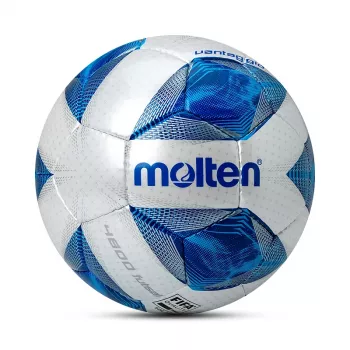
A low-bounce futsal ball changes the pace of indoor play: tighter control, quicker passes, and more predictable touches on hard courts. This hand-stitched PU training ball is designed to keep the ball closer to the floor, helping players sharpen close control, first-touch accuracy, and fast decision-making during indoor sessions. For more guidance, see Ball (association football) – Wikipedia.
Indoor surfaces reward precision. On wood, PVC, or polished gym floors, a standard soccer ball can rebound high and fast, forcing larger corrective steps and turning simple touches into scrambling recoveries. A low-elasticity futsal-style ball is built to behave differently where indoor training actually happens. For further reading, see [PDF] Adult sports injury hospitalisations in 16 sports – Monash University.
That “stays-down” behavior supports the rapid give-and-go rhythm associated with futsal while making each touch more accountable—if the ball moves, it’s usually because the player moved it.
How a ball is covered and stitched matters indoors. Repeated wall passes, toe pokes, and fast-paced drills put stress on panel edges and seams, especially when the ball is constantly skimming a firm surface.
For players working on “quiet feet” and controlled receiving, a PU feel can also make touch variations easier to read—inside-foot cushions, sole stops, and quick directional cuts feel more defined when the cover responds consistently.
Low-bounce training doesn’t just feel different—it can change what a session emphasizes. When the ball stays within a tighter radius, more of the practice becomes about technique and awareness, not chasing rebounds.
For coaches, it also makes short, high-rep patterns easier to run in small gym spaces—more passes completed per minute, fewer interruptions, and a more consistent tempo across groups.
Not every ball fits every surface. A low-elasticity futsal-style ball is at its best when the environment would otherwise make a standard ball feel “bouncy” or erratic.
For rules and the broader futsal framework, see the official references from FIFA and competition coverage and guidance via UEFA Futsal.
Use this snapshot to decide whether a low-bounce ball matches the session goal (tight control vs aerial work). For mixed training, keeping both types available helps target different skill sets (ground play and lofted technique).
| Feature | Low-elasticity futsal-style ball | Standard soccer ball |
|---|---|---|
| Bounce on hard indoor surfaces | Lower, stays closer to the floor | Higher, can rebound unpredictably indoors |
| Best for | Close control, quick passing, tight-space play | Outdoor play, crossing, long balls, aerial control |
| Typical session feel | Faster decisions, more grounded touches | More lift and flight; more time on bounces |
| Common drawback | Less suited to lofted passing practice | Can be too lively for indoor control drills |
Indoor balls can last a long time when treated like indoor equipment. The goal is to protect the PU cover, maintain seam integrity, and keep the intended low-bounce feel.
Yes. Lower rebound helps beginners keep the ball close, improve first touch, and spend less time chasing erratic bounces on indoor surfaces.
Occasional outdoor use is possible, but rough surfaces can increase scuffing and seam wear. Indoor courts are the best match for durability and consistent performance.
Inflate to the recommended pressure for futsal-style play. Too much air can make it feel springy, while too little can reduce responsiveness and affect roll.


Leave a comment