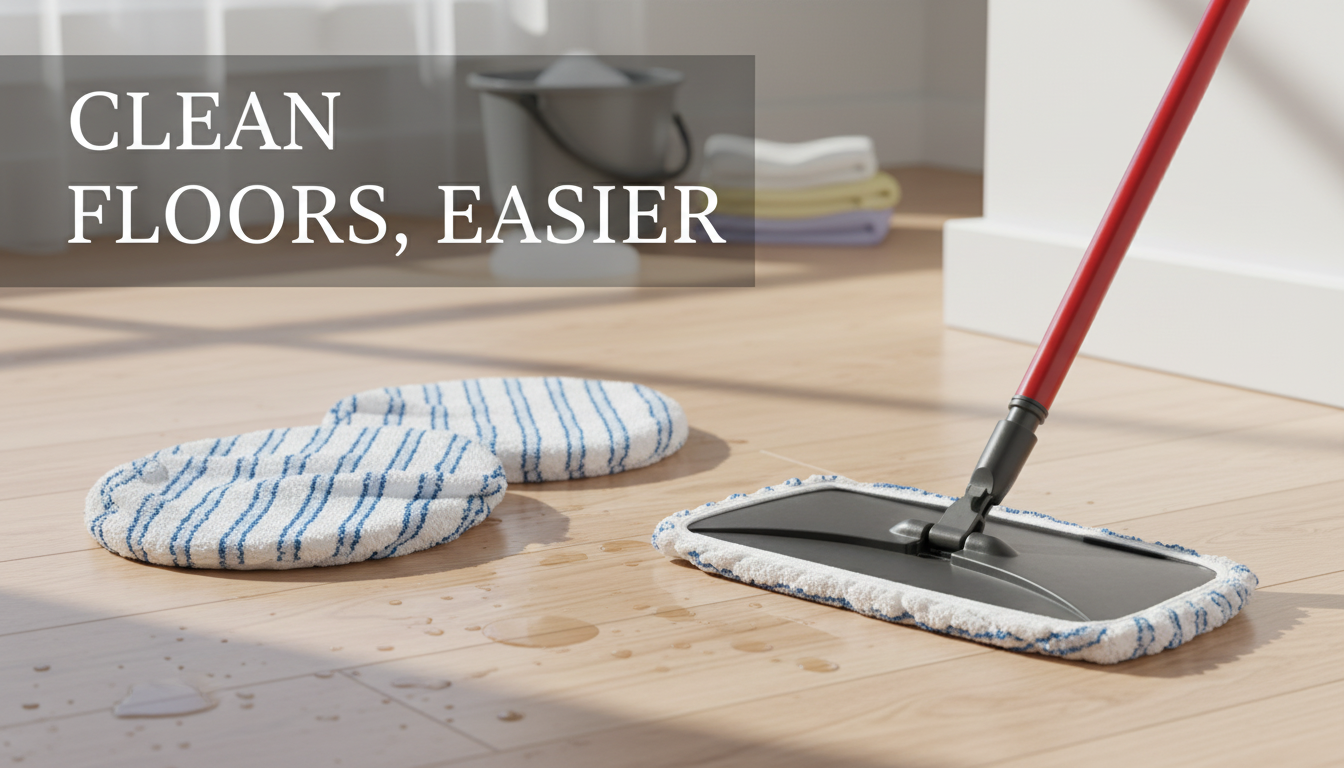
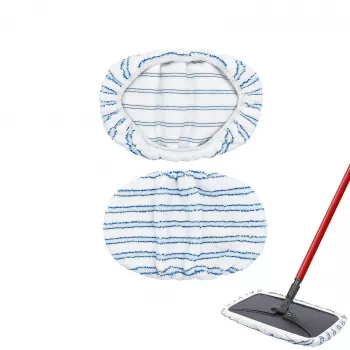
Reusable microfiber mop pads make routine cleaning faster and more consistent across multiple floor types. This 2-pack is designed for both dry dust pickup and wet mopping, helping reduce disposable pad waste while keeping a fresh pad ready between wash cycles. For busy households, small spaces, and pet-friendly maintenance, microfiber pads can turn “I should clean” into a quick, repeatable habit.
Microfiber’s fine fibers create lots of surface area, which is why it performs differently than basic flat disposable sheets. Used correctly, it helps floors look cleaner between deeper cleans.
For product-safe cleaning guidance and choosing gentler cleaners, the U.S. EPA’s Safer Choice cleaning tips are a helpful reference point.
Most “mop didn’t work” moments happen because wet cleaning started too soon. A simple sequence can make microfiber pads feel dramatically more effective.
If disinfecting is needed (for example, after illness), follow product label directions and align with public health recommendations like the CDC’s guidance on cleaning and disinfecting. For everyday floor care, a consistent clean is often more valuable than a harsh one.
Reusable microfiber pads are best viewed as a “maintenance tool” for sealed hard floors—fast enough to use often, strong enough to make frequent cleaning feel worthwhile.
A practical approach is to keep one pad “dry-only” for dust and hair, and reserve the other for damp cleaning. That small separation can reduce linty buildup and keep wet mops from turning into muddy smears.
Reusable pads save time and waste only when they stay absorbent and grippy. A few small habits can extend performance.
If the pad starts to feel less “clingy” on the floor, it’s often detergent or softener residue. An extra rinse cycle and skipping additives can help restore pickup.
Both options have a place. The main difference is whether the priority is ongoing convenience (disposables) or consistent performance and reduced trash (reusables).
| Feature | Reusable Microfiber Pads | Disposable Refills |
|---|---|---|
| Best for | Routine cleaning, pet hair, frequent touch-ups | Quick, occasional cleanups |
| Waste | Lower (wash and reuse) | Higher (single-use) |
| Cost over time | Typically lower with repeated use | Typically higher with frequent use |
| Cleaning performance | Strong dust pickup; effective with light moisture | Varies widely by brand/material |
| Upkeep | Washing and drying required | No washing; replace as used |
This 2-pack supports easy rotation: use one pad for dry dust pickup and keep the second ready for damp mopping (or swap mid-clean for a fresher finish). It’s a practical choice for everyday floors where quick hair and dust pickup matters, and where light wet cleaning keeps high-traffic areas from looking dull.
Yes on sealed surfaces, as long as the pad is damp-not-wet. Avoid soaking seams or leaving standing moisture, and follow the flooring manufacturer’s guidance for recommended cleaning methods.
No. Fabric softener can coat microfiber fibers, reducing absorbency and pickup; wash with a mild detergent and avoid high heat for best performance.
Replace pads when the fibers look flattened, pickup drops noticeably, or seams/fasteners show wear. Lifespan depends on how much area you clean, the amount of debris, and how they’re washed and dried.



Leave a comment