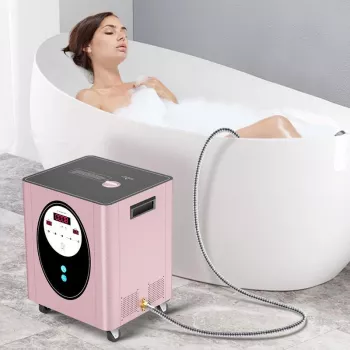
A home spa setup feels more consistent when hydrogen-rich water can be produced on demand instead of relying on pre-bottled options or guesswork. A dedicated hydrogen water generator designed around SPE/PEM-style electrolysis is built for repeatable cycles, clearer separation of gases, and day-to-day convenience. Below is a practical guide to how these machines work, how they fit into home or spa routines, and what to confirm before choosing a unit for regular use.
At its core, a hydrogen water generator is designed to dissolve molecular hydrogen (H2) into water. It does this through electrolysis—splitting water into hydrogen and oxygen—while aiming to keep the process controlled and clean for repeat use.
Hydrogen-rich water is most valuable when the user experience is simple: fill, run a cycle, cap, and drink—without complicated handling or strong changes in taste.
SPE (solid polymer electrolyte) and PEM (proton exchange membrane) are often discussed together because both relate to using a specialized membrane to improve electrolysis control. While designs vary by manufacturer, the general goal is similar: efficiently generate hydrogen while keeping oxygen managed separately.
For background reading on hydrogen as a molecule and ongoing research interest, PubMed is a useful starting point for abstracts and reviews: NIH PubMed.
Hydrogen water generators work best when they’re integrated into repeatable habits, not treated like a one-off gadget. A stable routine also makes it easier to notice changes that signal maintenance needs (like scaling or slower performance).
| Consideration | Why it matters for home & spa use | What to confirm |
|---|---|---|
| Hydrogen output reporting | Helps set realistic expectations and consistency | How output is measured and under what water conditions |
| Gas separation design | Supports taste/clarity and stable operation | SPE/PEM separation description and venting approach |
| Ease of cleaning | Spa environments require reliable hygiene routines | Accessible surfaces, cleaning cycle guidance, removable parts |
| Water quality requirements | Minerals and impurities can affect performance | Recommended water type and any pre-filtration needs |
| Support and consumables | Long-term usability depends on parts availability | Warranty, membrane/filter availability, support response |
Materials also matter. If you like to sanity-check materials safety concepts in general, the FDA provides background on food-contact substances and packaging/material considerations: U.S. Food & Drug Administration (Food Contact Substances).
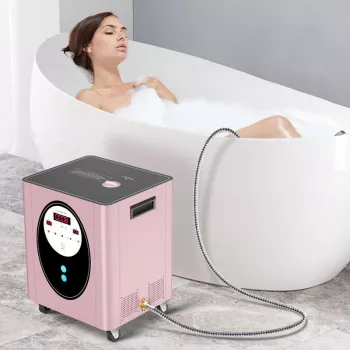
For a dedicated countertop-style solution, the Hydrogen Water Generator Machine with SPE PEM Technology for Home & Spa is designed for repeatable hydrogen-water generation in home and spa environments. It’s positioned for buyers who want a purpose-built generator rather than a small portable bottle, with an SPE/PEM-style electrolysis focus intended to support controlled hydrogen production and gas separation.
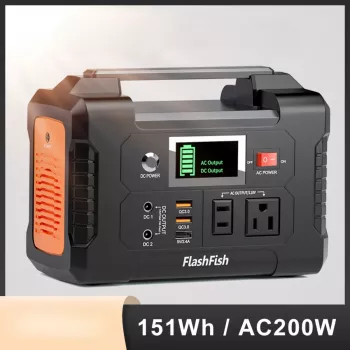
If your wellness space also needs reliable backup power for small devices, lighting, or charging (for example, a treatment room or relaxation area), the Portable 200W Solar Generator with AC Outlet & USB Ports can complement a “spa corner” setup where outlets are limited or you want flexible placement.
Dissolved hydrogen dissipates over time, and it usually drops faster when water is warm, left open, or agitated. For better retention, seal the container promptly and consume the water soon after it’s produced.
Use the water type recommended by the manufacturer, since mineral content and impurities can affect both performance and scaling. Choosing a consistent, clean input water source (and any suggested filtration) helps keep results steady.
When used as directed, these devices are generally intended for home use, but basic precautions matter: operate in a well-ventilated area, follow electrical safety steps, keep away from open flames, and maintain the unit on schedule. If anything seems off (odor, unusual noises, leaks), stop use and consult the manufacturer’s instructions or support.



Leave a comment