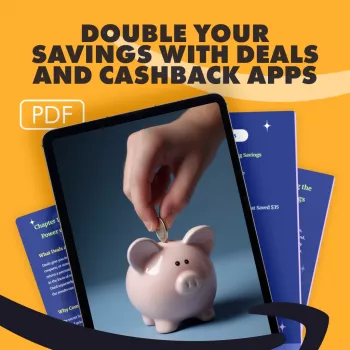
Stacking discounts is one of the simplest ways to stretch a budget without changing what gets purchased. The key is learning which savings tools can be combined, when to apply them, and how to track everything so rewards actually get paid out. This guide breaks down a repeatable system for pairing store deals, coupon codes, and cashback apps—online and in-store—while avoiding common pitfalls like excluded categories, duplicate submissions, and missed activation steps.
Most “double savings” wins come from understanding that not all discounts behave the same way. Some reduce the price immediately, while others arrive later as a rebate or points.
| Layer | When it applies | Typical examples | What can block it |
|---|---|---|---|
| Store pricing | At checkout | Sale price, markdowns, bundles | Wrong item variant, region limits |
| Store coupon or promo code | At checkout | Percent-off code, free shipping code | Exclusions, minimum spend, one-code limit |
| Manufacturer coupon / offer | At checkout or post-purchase | Digital manufacturer offers, printable coupons | Cannot combine with similar offer types |
| Cashback app/portal | After purchase | Shopping portal cashback, receipt scan rebates | Not activated, ad blockers, returns, category exclusions |
| Payment rewards | After statement closes | Credit card points, cash back, store card perks | Category caps, merchant coding differences |
When stacking works, it’s rarely an accident. A short pre-checkout routine prevents the most common “it should have worked” disappointments.
For a printable, beginner-friendly checklist and tracking templates, Double Your Savings with Deals and Cashback Apps (digital guide) walks through the same routine with ready-to-use pages.
Not every stack is allowed, but a few combinations are reliable across many retailers and apps.
Practical examples help: a bigger-ticket purchase like a Portable 200W Solar Generator with AC Outlet & USB Ports can be a strong candidate for a “sale + portal + card rewards” stack, while everyday items (auto care, household refills) often pair well with store coupons and receipt rebates.
When shopping online, it also helps to stick to basic safety habits—especially when a deal seems unusually good. The FTC’s guidance on shopping online and avoiding scams is a useful reference before entering payment details or creating new accounts.
If you’re tightening a household budget, pairing stacking with a simple spending plan makes the wins more consistent. The CFPB’s budgeting resources can help set realistic category limits so “deal chasing” doesn’t become overspending.
For workday purchases and subscriptions, stress can lead to rushed decisions and forgotten activations. If focus and follow-through are a challenge, Calm at Work: Smart Strategies to Manage Stress and Boost Focus includes practical routines that can make it easier to stick to a plan.
If you want a ready-to-use system rather than building your own spreadsheets, Double Your Savings with Deals and Cashback Apps (digital guide) is a quick download that organizes the process into repeatable steps.
Yes, stacking often works when the cashback portal or app allows the deal type you’re using. The most dependable combo is a store sale price plus cashback plus credit card rewards, while promo codes require checking the portal’s terms for that retailer.
The most common causes are missing activation, ad blockers or privacy settings blocking tracking, opening other tabs that overwrite the referral, using an unapproved promo code, buying excluded categories, or returning/canceling items. Troubleshoot by confirming activation first, then checking exclusions and code rules, and finally contacting support with your order confirmation.
Cashback portals are usually best for online shopping because they track click-through purchases, while receipt-based apps shine for groceries and in-store buys where you submit a receipt. Many shoppers use both, but typically not on the same transaction unless each program’s rules explicitly allow it.






Leave a comment