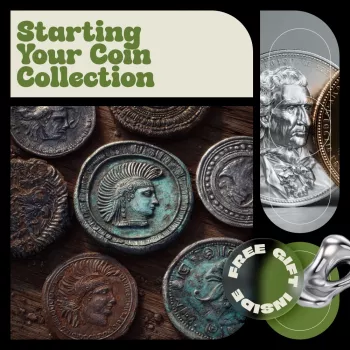
Starting a coin collection is easiest when you pick a simple theme, learn basic grading, and build habits that protect your coins from day one. Begin by choosing what you want to collect: a coin type (like Lincoln cents), a country, a time period, or a fun theme (wildlife, ships, presidents). A focused goal keeps costs predictable and makes progress feel real.
Next, gather a few essentials: cotton gloves (or handle coins by the edges), coin flips or capsules, and a small notebook or spreadsheet to track what you own. Avoid cleaning coins—cleaning can permanently reduce collector value, even if the coin looks “shinier.” Instead, store coins in inert holders and keep them away from humidity, heat, and PVC plastics.
Build your starter set with low-risk finds. Search pocket change, ask family members for old jars, or buy a small, affordable lot from a reputable dealer. As you learn, start targeting better examples rather than buying many random coins. When you evaluate a coin, look for date, mint mark, overall wear, and any damage (scratches, corrosion, harsh cleaning). Take photos and note what you paid so you can compare later.
Set a monthly budget and a 30-day plan: week one for learning terminology and tools, week two for sorting and storing, week three for buying a few targeted pieces, and week four for reviewing gaps and adjusting your goal. For a step-by-step approach and beginner-friendly guardrails, see this coin collecting for beginners guide.
For Start Coin Collecting: A Beginner Plan to Build Fast, the best answer depends on fit, material, care instructions, and how the product will be used day to day.
Checking those details first helps avoid a poor match and keeps the choice practical after delivery.
Modern series with lots of available dates—like Lincoln cents, Jefferson nickels, Roosevelt dimes, or state quarters—are budget-friendly and easy to complete. They also help you practice spotting condition differences without spending much.





Leave a comment