Neither “high” nor “low” elasticity is automatically better. Elasticity is only “good” when it matches what the product is supposed to do. In simple terms, elasticity describes how much something stretches or compresses and how strongly it springs back to its original shape. Some uses demand a lively rebound and quick snap-back (high elasticity). Others need stability, control, and less bounce (lower elasticity).
High elasticity is a win when energy return matters. Think of materials that need to rebound quickly, keep a “springy” feel, or maintain responsiveness after repeated impacts. In sports gear, higher elasticity can translate to a more dynamic bounce and a faster feel. That can be helpful if the goal is speed and a lively response off the surface.
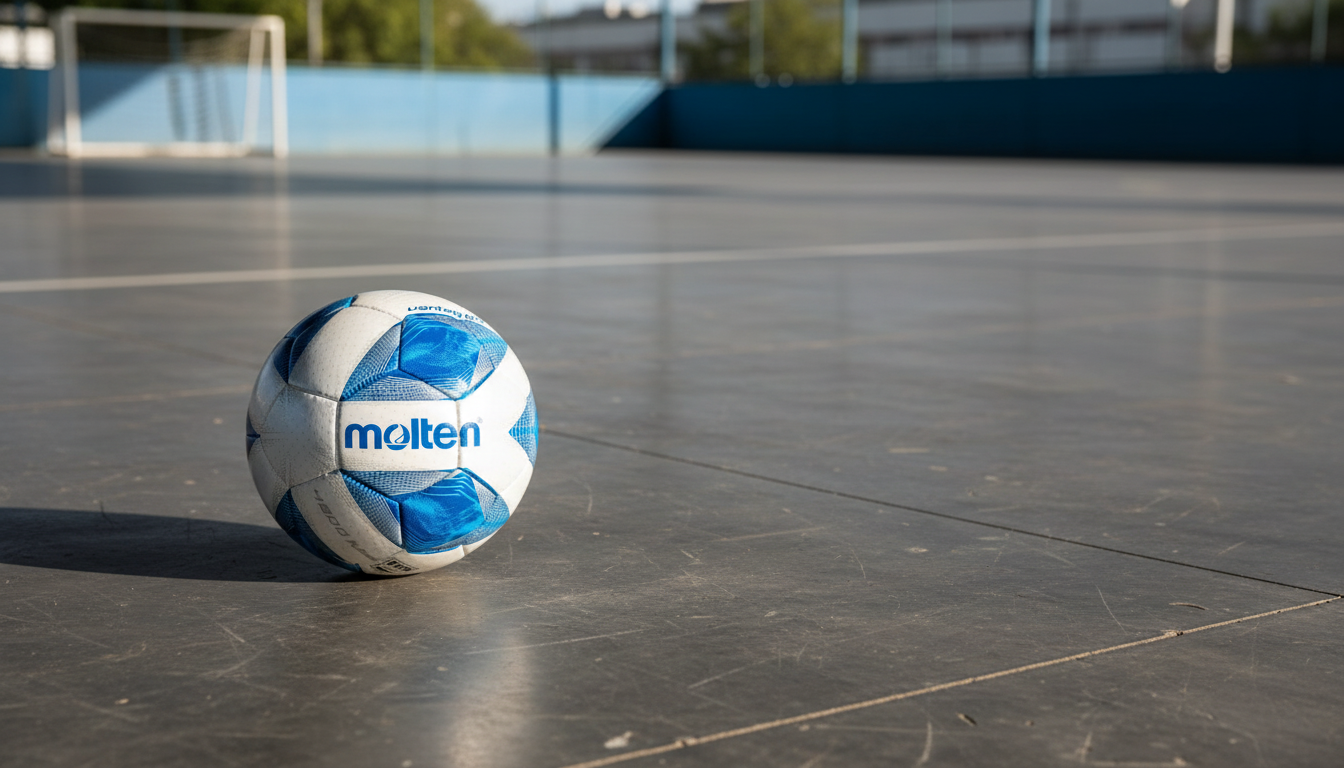
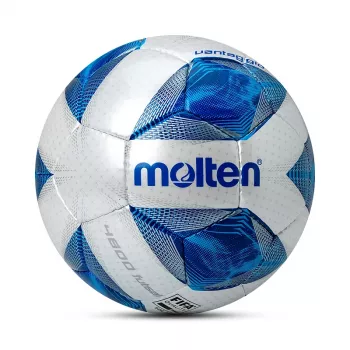
Low elasticity is good when control, predictability, and reduced rebound are priorities. In indoor futsal, for example, a low-bounce ball is designed to stay closer to the ground, settle faster, and help with tight touches and quick passes in small spaces. Less rebound can make the ball easier to trap, dribble, and keep under control on hard indoor courts.
Start with the environment and the outcome you want. If you’re playing on indoor courts and want cleaner control with fewer wild bounces, lower elasticity (and specifically a low-bounce ball construction) tends to be the better fit. If you need more spring and a higher, faster rebound, higher elasticity may make more sense.
For a practical example focused on indoor play and controlled performance, see the main guide here: https://exelline.com/guide-low-bounce-indoor-futsal-ball-hand-stitched-pu-control/.
For High vs Low Elasticity: Which Is Better and When?, the best answer depends on fit, material, care instructions, and how the product will be used day to day.
A low-bounce futsal ball typically uses a specialized bladder and construction that reduces rebound, helping the ball stay controlled on hard indoor surfaces and making first touches more predictable.




Leave a comment