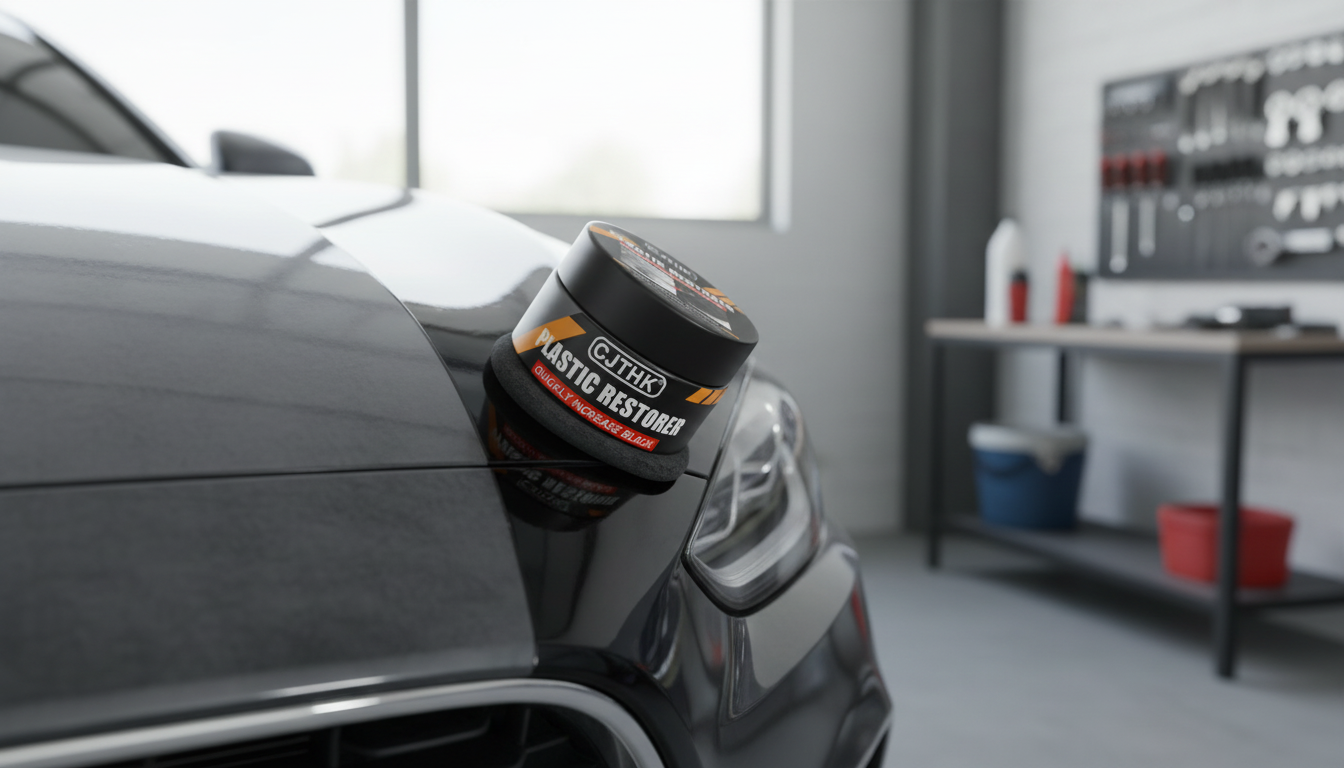
For most drivers, yes—plastic restorer is worth the money when faded exterior trim makes the car look older than it is. A quality restorer can deepen color, reduce the chalky gray look caused by UV exposure, and help plastics look more even and “finished” again without repainting or replacing parts.
Plastic restorer pays off fastest when you have common problem areas like bumper trim, mirror housings, cowl panels, door handles, or textured cladding that has turned blotchy. If the restorer lasts for months (not days), the cost per use is low—especially compared with replacing trim or paying for refinishing. It’s also a good option before selling a vehicle or detailing it for photos, since trim color impacts first impressions.
If the plastic is severely oxidized, cracked, or peeling, a restorer can’t reverse physical damage—it can only improve appearance. It may also be a poor value if you wash frequently with harsh cleaners that strip protectants, or if you’re expecting a permanent, paint-like fix. In those cases, a trim coating, dye, or part replacement may be a better long-term solution.
The real “worth” comes down to how long the finish holds and how natural it looks. Better products tend to spread evenly, cure without feeling greasy, and resist immediate wash-off. Prep also matters: cleaning the plastic thoroughly and applying thin, even coats typically gives a darker, more consistent finish and helps it last longer.
For application tips, common mistakes to avoid, and product guidance, follow the full guide here: Back to Black Plastic & Leather Restorer Guide.
For Is Plastic Restorer Worth It? Cost, Results, Longevity, the best answer depends on fit, material, care instructions, and how the product will be used day to day.
Many restorers last weeks to a few months, depending on UV exposure, washing habits, and product quality. Proper cleaning and thin, even application usually improves durability.






Leave a comment