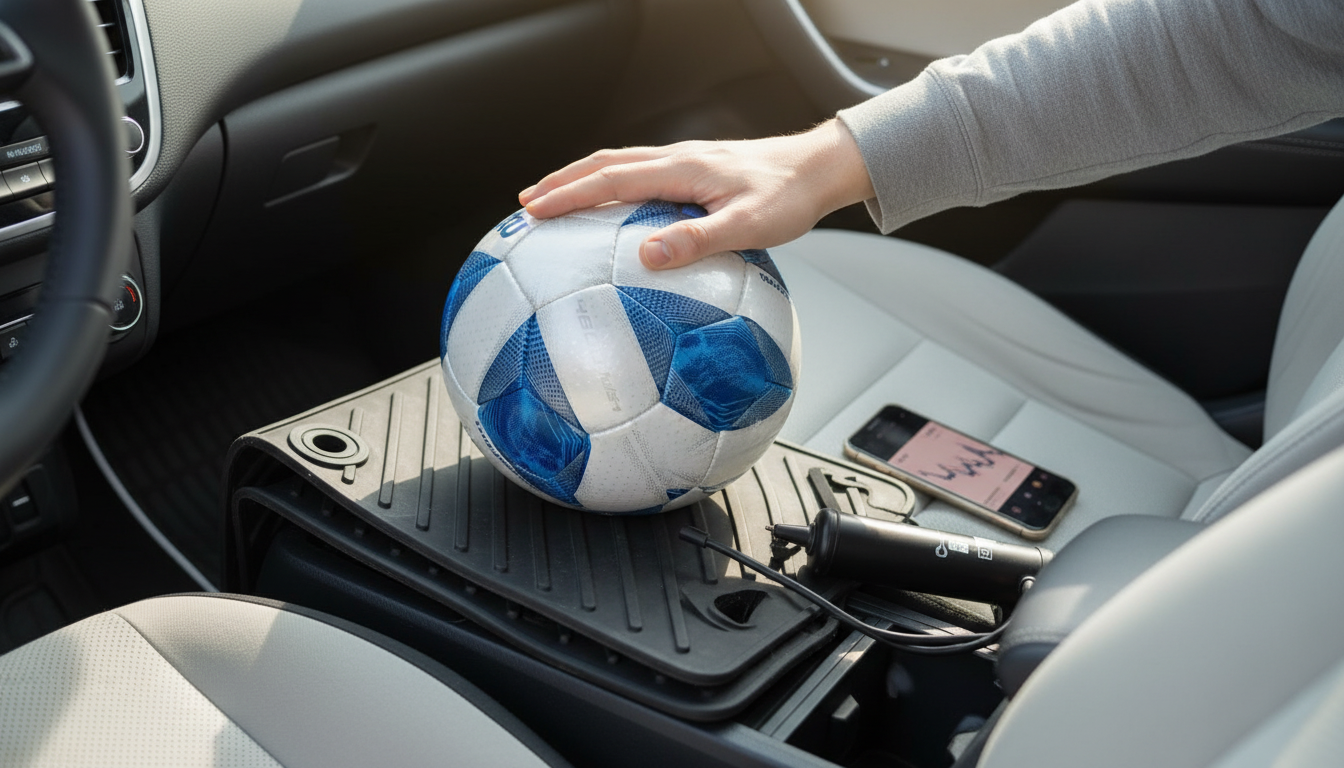
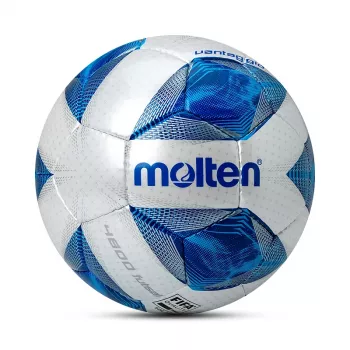
Low elasticity happens when a material can’t spring back to its original shape after being squeezed, stretched, or impacted. With balls—especially indoor futsal balls—elasticity is closely tied to how the outer cover, foam backing, stitching, and bladder work together. When any of those parts are designed for damping and control instead of rebound, the result is a “deader” feel with reduced bounce.
The most common cause of low elasticity is the material’s construction: thicker, denser layers absorb energy instead of returning it. Many indoor futsal balls are intentionally built this way so the ball stays close, settles quickly, and doesn’t ricochet off hard surfaces.
A PU cover paired with multiple foam or fabric layers can mute rebound. The ball compresses on impact, but the structure dissipates the force as heat and internal friction rather than snapping back, which lowers elasticity and bounce.
The bladder affects how quickly the ball “pushes back.” Some bladder types and lower inflation pressures reduce springiness. Even a well-built ball will feel less elastic if underinflated, while overinflation can make it feel harsh but not necessarily more responsive in controlled play.
Hand-stitched panels can improve durability and shape retention, but seam tension and panel alignment also influence how the shell flexes. A shell that’s too stiff—or unevenly tensioned—may not rebound smoothly, contributing to a flatter response.
Materials lose resilience over time. Repeated impacts can fatigue foam layers and the bladder, making the ball feel less lively. Cold conditions also stiffen polymers, reducing flexibility and elasticity until the ball warms up.
If the goal is tighter control and a predictable, low-bounce response, low elasticity can be a feature—not a flaw. For a deeper look at what drives low bounce and touch, see the full guide here: https://exelline.com/guide-low-bounce-indoor-futsal-ball-hand-stitched-pu-control/.
Inflate to the recommended pressure using a reliable gauge, and store the ball at room temperature before play. If the ball is old or the bladder is leaking, bounce may not return even with correct inflation.





Leave a comment