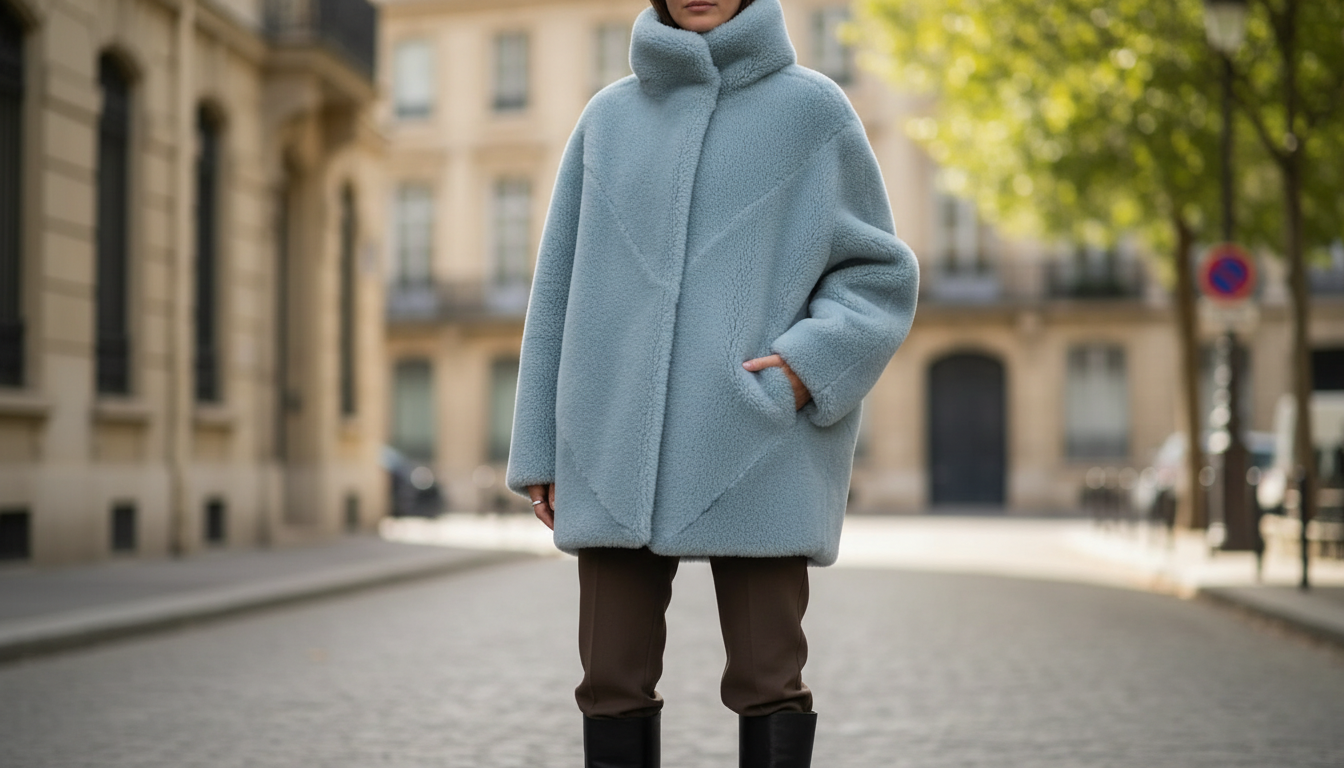
Rick Owens boots stand out because they treat footwear like sculpture: extreme proportions, elongated lines, and a deliberate tension between sleek minimalism and brutal, industrial attitude. The silhouettes often look futuristic but grounded—built to feel substantial on the foot and visually striking from every angle.
Many Rick Owens boots are instantly identifiable by their architectural profiles—chunky soles, tall shafts, and elongated toes that create a sharp, directional stance. Styles like the brand’s tall zip boots and heavy platform variations lean into dramatic height and volume without relying on loud logos.
Another defining trait is the material story. Rick Owens frequently uses premium leathers that can develop character over time: soft grain, subtle sheen, and natural creasing that makes each pair look lived-in rather than worn out. Some releases also explore unconventional textures and treatments that feel intentionally imperfect—an aesthetic choice that aligns with the brand’s dark, avant-garde identity.
Details like bold zippers, extended tongues, heavy lug soles, and exaggerated midsoles aren’t decoration—they shape how the boot moves, frames the ankle, and balances an outfit. Even when the upper looks minimal, the engineering of the sole and hardware gives the boot its distinctive presence.
Rick Owens boots tend to change the proportions of what’s worn with them. They can sharpen wide-leg pants, add weight to slim silhouettes, and make simple outfits look more directional. The uniqueness is as much about the visual impact as it is about the product itself.
For more on Rick Owens outerwear and how to wear and care for statement pieces, visit this Rick Owens fur coat guide.
Comfort depends on the model and sole type: heavier platforms can feel stiff at first, while softer leather uppers often break in nicely. Sizing and gradual break-in are key for all-day wear.




Leave a comment