
Materials with low elasticity don’t “spring back” much after being stretched, compressed, or impacted. Instead of rebounding quickly, they tend to deform more slowly, absorb energy, and return to shape less dramatically (or not fully). That low rebound behavior is useful when the goal is control, stability, or shock absorption rather than bounce.
Foams (especially EVA and PU foam): Many foams are engineered to dampen impact. They compress under force and absorb energy, which reduces bounce. This is why foam layers are widely used where a softer, more controlled feel is preferred.
Rubber compounds with damping fillers: Natural rubber can be elastic, but certain rubber blends are formulated to lower rebound. By adjusting additives and hardness, manufacturers can make rubber that “deadens” impact for a more controlled response.
Leather and synthetic leather (PU): Compared with highly elastic polymers, leather and PU-based covers are relatively low in stretch. They resist quick snap-back, helping maintain structure and improving predictable touch when used as an outer layer.
Felt and dense textiles: Nonwoven and woven fabrics often have limited elastic recovery (unless blended with spandex). Dense textile layers can reduce liveliness by adding friction and absorbing energy.
Plastics like PVC and some thermoplastics: Many rigid or semi-rigid plastics exhibit low elasticity under typical use. Rather than behaving like a spring, they tend to hold shape or yield gradually depending on thickness and formulation.
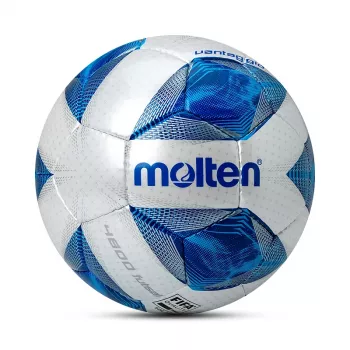
In sports gear, “low elasticity” often translates to reduced rebound and a more predictable feel. For example, indoor futsal balls are commonly designed to have a lower bounce to keep play tight and controlled on hard courts. For details on how cover materials, construction, and internal layers influence low-bounce performance, see this guide to low-bounce indoor futsal balls.
Elasticity is how well a material returns to its original shape after deformation, while stiffness is how much it resists being deformed in the first place. A material can be stiff but not very elastic, or soft yet highly elastic.





Leave a comment