Square toe Mary Janes blend a classic strap silhouette with a modern, structured toe shape. They work for everyday wear, office outfits, and dressier looks—while often feeling more spacious through the forefoot than many pointed styles. The result is a polished shoe that reads timeless at a glance, but still feels current thanks to its clean lines and slightly architectural profile.
What Makes Square Toe Mary Janes Different
- Defined square toe profile: The squared front creates a crisp, intentional shape that pairs easily with minimal wardrobes and also complements vintage-inspired pieces (think pleated skirts, tailored cardigans, and classic trench coats).
- Mary Jane strap security: That signature strap helps keep the shoe in place and can feel steadier than many slip-on flats—especially when walking at a quicker pace or navigating stairs.
- Potentially roomier toe area: Compared with narrow toe shapes, a square toe can reduce the “taper squeeze” at the front, which may be helpful for wider forefeet or anyone who dislikes pinching at the big toe.
Quick Details at a Glance
Use the table below to compare key buying considerations when choosing a pair for daily wear versus occasional outings. Prioritize fit and strap adjustability first, then decide on material and sole structure based on where they’ll be worn most.
Square Toe Mary Jane Checklist
| Feature |
Why it matters |
What to look for |
| Toe shape |
Comfort and style balance |
A squared front that doesn’t pinch at the corners |
| Strap & buckle |
Security and adjustability |
Multiple holes, easy buckle, or an elastic insert |
| Insole support |
All-day comfort |
Cushioning at heel and forefoot; stable footbed |
| Outsole |
Grip and durability |
Textured sole for traction; flexible forefoot |
| Heel height |
Posture and versatility |
Flat to low heel for walking; block heel for dressier looks |
| Material |
Breathability and upkeep |
Easy-clean uppers; lining that reduces friction |
Fit and Sizing Tips
- Measure later in the day: Feet can swell slightly with activity, so measuring at day’s end helps avoid buying a pair that feels tight after a few hours.
- Fit to the larger foot: If your feet differ, choose the size that fits the larger one and use a thin insole or heel grip for the smaller foot if needed.
- Strap tension matters: Aim for secure, not restrictive. A strap that digs into the top of the foot can become uncomfortable during longer wear.
- Check toe room while standing: In a proper square-toe fit, toes should sit naturally without rubbing the corners. Walk around and notice whether your big toe or pinky toe presses into the front edges.
- Consider material behavior if between sizes: Stiffer uppers may feel snug and hold their shape; softer uppers may relax slightly after break-in. Choose the size that feels stable without immediate pain.
Materials and Build: What to Expect
- Uppers: Smoother, more polished finishes tend to look dressier and sharper with tailored outfits. Softer finishes can feel more forgiving for day-to-day wear, especially around the strap line.
- Lining and sock: A soft interior helps reduce friction at the heel and across the instep. This can be especially useful if you switch between bare feet, no-show liners, and tights throughout the year.
- Construction and shape retention: A sturdier build generally holds the square toe silhouette more consistently. More flexible builds may feel easier for walking, but can soften and crease faster.
- Hardware details: Buckles, strap loops, and attachments should feel secure with smooth edges—important for comfort and for avoiding snags on hosiery.
For additional guidance on supportive everyday footwear basics, the American Podiatric Medical Association (APMA) Healthy Footwear resource is a helpful reference point when comparing features like support and fit.
How to Style Square Toe Mary Janes
Comfort, Walking, and Break-In
- Start with short indoor wears: A few brief sessions can reveal rubbing points at the strap edge, heel, or toe corners before committing to a full day out.
- Fine-tune heel security: If the heel lifts slightly, try a heel grip or thin cushioned insert. Avoid overfilling the shoe if the strap already feels snug, since extra volume can increase pressure on the top of the foot.
- Prioritize traction for real-world walking: If you’ll be on smooth floors or commuting, a textured outsole can make a noticeable difference. For general slip-resistance considerations, see NIOSH guidance on preventing slips, trips, and falls.
- Protect during the break-in window: If rubbing happens at the strap edge, a thin sock or protective tape can help until the material softens.
Care and Maintenance
Featured Pair
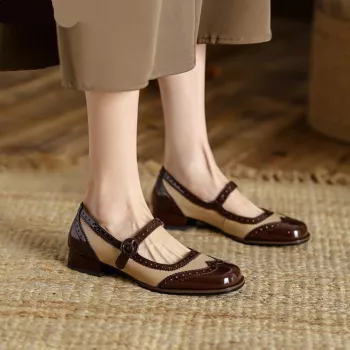
If you’re ready to add a structured, versatile Mary Jane to your rotation, Women’s Square Toe Mary Janes are available now. For the best match, align your intended use—office days, daily walking, or events—with comfort priorities like cushioning, traction, and strap adjustability, then confirm current pricing and availability on the product page before ordering.
For professionals building a streamlined weekday routine (and looking for practical ways to stay focused during busy days), you may also like Calm at Work: Smart Strategies to Manage Stress and Boost Focus.
FAQ
Are square toe Mary Janes comfortable for wide feet?
A square toe can feel roomier than a narrow or pointed toe, but comfort still depends on the shoe’s overall width, strap placement, and how firm the upper material is. When trying them on, stand and walk to confirm your toes aren’t pressing into the front corners.
How should a Mary Jane strap fit?
The strap should hold the foot securely without digging into the top of your foot. It should prevent slipping as you walk while still feeling comfortable after several minutes of movement.
Do Mary Janes stretch over time?
It depends on the upper material and construction. Softer uppers may relax slightly with wear, while more structured builds tend to change less—so it’s best to start with a fit that feels secure but not painful.
Recommended for you






Leave a comment