HomeBlogBlogA4 Mixed-Media Sketchbook for Watercolor, Gouache & Pencil

A4 Mixed-Media Sketchbook for Watercolor, Gouache & Pencil

A4 Mixed-Media Sketchbook for Watercolor, Gouache & Pencil

A Sketchbook for Watercolor, Gouache, and Pencil Drawing That Keeps Up With Mixed Media

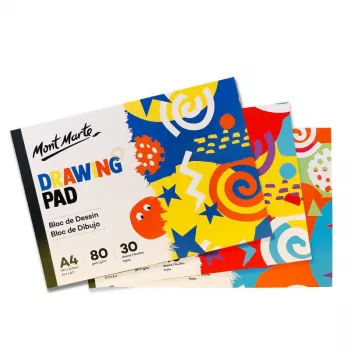
A good mixed‑media sketchbook makes it easy to move from quick pencil thumbnails to gouache studies and light watercolor washes without changing your whole setup. This A4 sketchbook is sized for full-page layouts and process work—big enough for gesture-to-finish pieces, clean enough for color tests, and practical for daily drawing practice at a desk or on the go.

What this A4 sketchbook is made for

When you want one place to develop ideas from rough to refined, an A4 mixed-media sketchbook gives you room to test, correct, and iterate without feeling cramped. Our team sees A4 as the “workbench” size: large enough for control, small enough to carry.

  • Watercolor washes, layering, and glazing practice where a larger page helps control edges and gradients
  • Gouache sketches and color blocking, including opaque passages that benefit from a stable surface
  • Pencil drawing—from light construction lines to darker value studies and shading drills
  • Mixed-media workflows: pencil layout → watercolor underpainting → gouache accents → pencil or colored pencil refinements
  • A4 format for storyboard panels, design iterations, fashion flats, botanical studies, and class assignments

Choosing the right sketchbook behavior for watercolor, gouache, and pencil

Mixed media is less about “perfect paper” and more about matching technique to how sketchbook pages behave. If you treat the page like a studio sheet, it can fatigue quickly; if you work in smart layers, it stays responsive for longer.

  • Watercolor needs a surface that can handle moisture without excessive buckling; for best results, work in controlled layers and let each layer dry before adding the next.
  • Gouache works well on many papers, but repeated re-wetting and scrubbing can fatigue the surface; build shapes with confident strokes and limit aggressive lifting.
  • Pencil drawing benefits from a surface with enough tooth to grab graphite; for smooth gradients, blend lightly and build value gradually.
  • If heavy water use is part of the routine (very wet-in-wet or saturated backgrounds), tape down pages or work with lighter washes to keep pages flatter.
  • For clean pencil work under paint, keep early graphite lines light to reduce smudging and avoid muddy color.

How to use one sketchbook across three media

Medium Best use in a sketchbook Tips for cleaner results
Watercolor Swatches, studies, light-to-medium washes, glazing practice Use less water, let layers dry fully, tape edges for flatter pages
Gouache Shapes, value plans, color notes, opaque highlights Work from thin to thick, avoid over-scrubbing, let passages set before reworking
Pencil Gesture, perspective drills, shading, layout for paintings Start with light pressure, lift gently with a soft eraser, fix smudges with a clean sheet under the hand
Mixed media Process pages and iterative drafts Plan sequence (dry media first), test colors on a margin, keep a spare page as a blotter

A4 size: why it matters for practice and finished sketches

A4 gives you space to think on the page. Instead of isolating every step (thumbnails elsewhere, color tests elsewhere, notes elsewhere), you can keep the whole decision trail together—helpful when you want to repeat results later.

  • Room for composition: thumbnails on one side and a larger study on the other, without feeling cramped.
  • Better brush control: longer strokes are easier on a bigger page, which helps gradients and soft transitions.
  • More space for notes: add color recipes, pigment mixes, lighting notes, or value scales right next to the sketch.
  • Portfolio-friendly pages: A4 is easy to scan, file, or photograph for digital sharing and archiving.
  • Useful for classes: fits common desks and can hold longer exercises (still lifes, figure studies, plein air notes) on a single spread.

Practical techniques that keep pages cleaner and flatter

Sketchbooks are designed for real life, but a few habits keep your pages from turning into unintended texture experiments. The goal: reduce buckling, reduce smudging, and keep colors crisp across layered media.

Recommended picks from our store

Getting started: a simple first-week routine

Helpful references for technique and care

FAQ

Can the same sketchbook handle watercolor, gouache, and pencil without ruining pages?

Yes—mixed-media use is realistic when you control water, let layers dry fully, and avoid aggressive re-wetting or scrubbing. For flatter pages, keep washes lighter or tape the edges down while you paint.

How to prevent watercolor pages from buckling in a sketchbook?

Use less water, build color in layers, and let each layer dry before adding more. Taping the borders, painting on one side at a time, and waiting until pages are fully dry before closing the book also helps.

Should pencil sketches be sealed before painting watercolor or gouache over them?

Sealing is optional; most workflows work well if you keep graphite lines light and erase extras before painting. Heavy graphite can muddy washes, so minimal pressure and clean lifting with a soft eraser usually beats adding a sealant layer.

Was this article helpful?

Yes No
Leave a comment
Top

Yay! 10% Off Just for You!

Join our community and enjoy 10% off your first order. Subscribe for exclusive deals!

Shopping cart

×