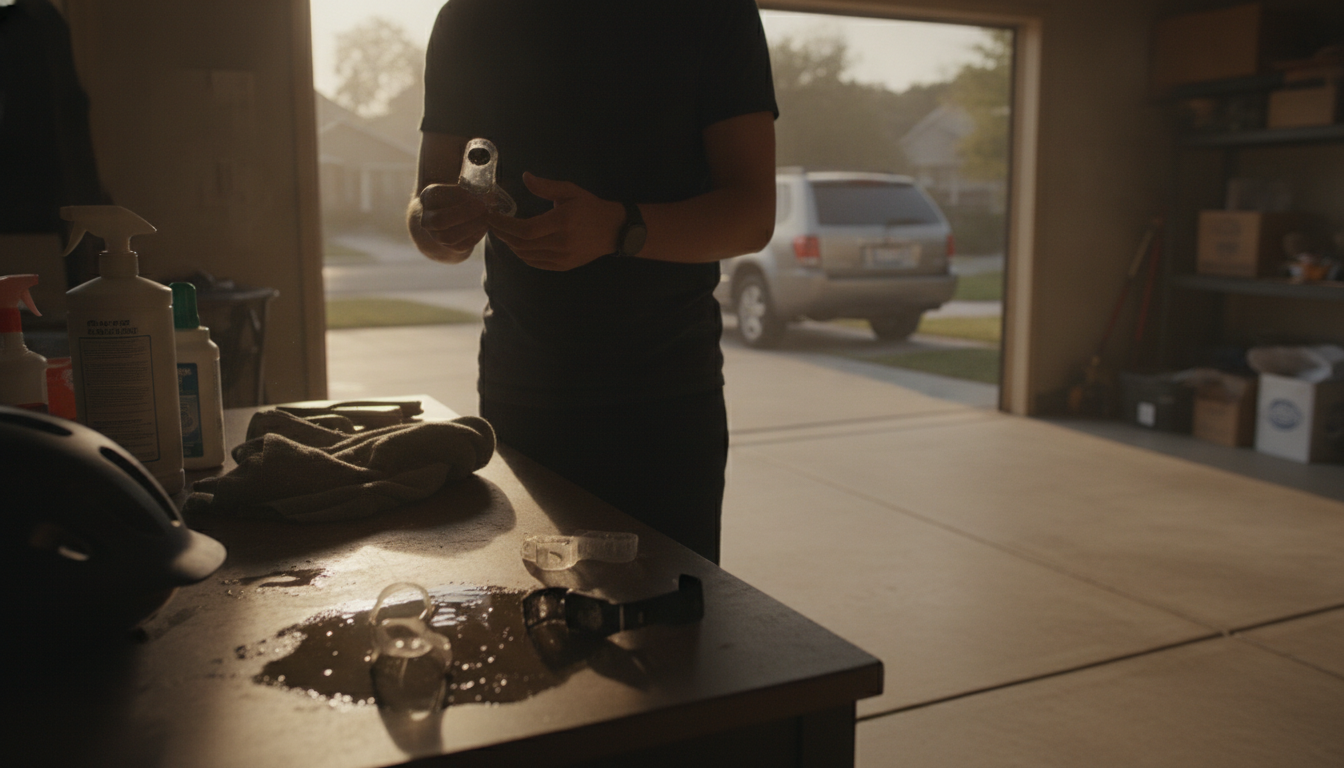
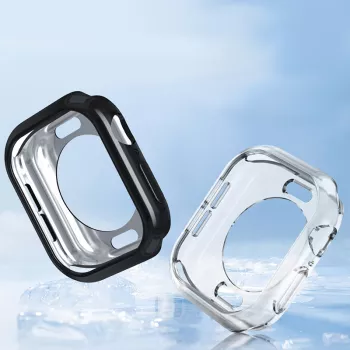
Silicone cases are popular because they’re flexible and easy to install, but they aren’t perfect for every situation. Depending on how and where a device is used, silicone can introduce a few practical drawbacks that are worth weighing before choosing one.
Silicone naturally has a slightly tacky feel, which can grab pocket lint, dust, and small debris. Lighter colors may show stains more quickly, and matte finishes can start looking grimy even when the case is still structurally fine.
Because silicone fits snugly and doesn’t breathe, sweat, water droplets, or fine particles can get trapped between the case and the device. Over time, that buildup can lead to smudges, residue, or minor scuffing—especially if the case isn’t removed and cleaned regularly.
Repeated removal, exposure to heat, and everyday flexing can cause silicone to stretch out. Once it loosens, the fit may feel less secure, edges may lift, and the case can become more likely to snag or tear at thin points.
Silicone is great for basic scratch and bump protection, but it’s not always the best at dispersing hard drops compared to rugged multi-layer cases. If a device routinely faces high-impact risks, silicone alone may be a lighter-duty option.
That grippy feel helps prevent slips, but it can also make the device harder to slide into tight pockets or sleeves. Some users also dislike the “rubbery” sensation during all-day wear.
For more detail on fit, daily care, and how to reduce common issues like trapped debris, see this guide: protective silicone case for Apple Watch: fit & care tips.
Wash it with mild soap and warm water, rinse thoroughly, and let it fully air-dry before putting it back on. Avoid harsh solvents or abrasive pads that can dull the finish and weaken the material.




Leave a comment